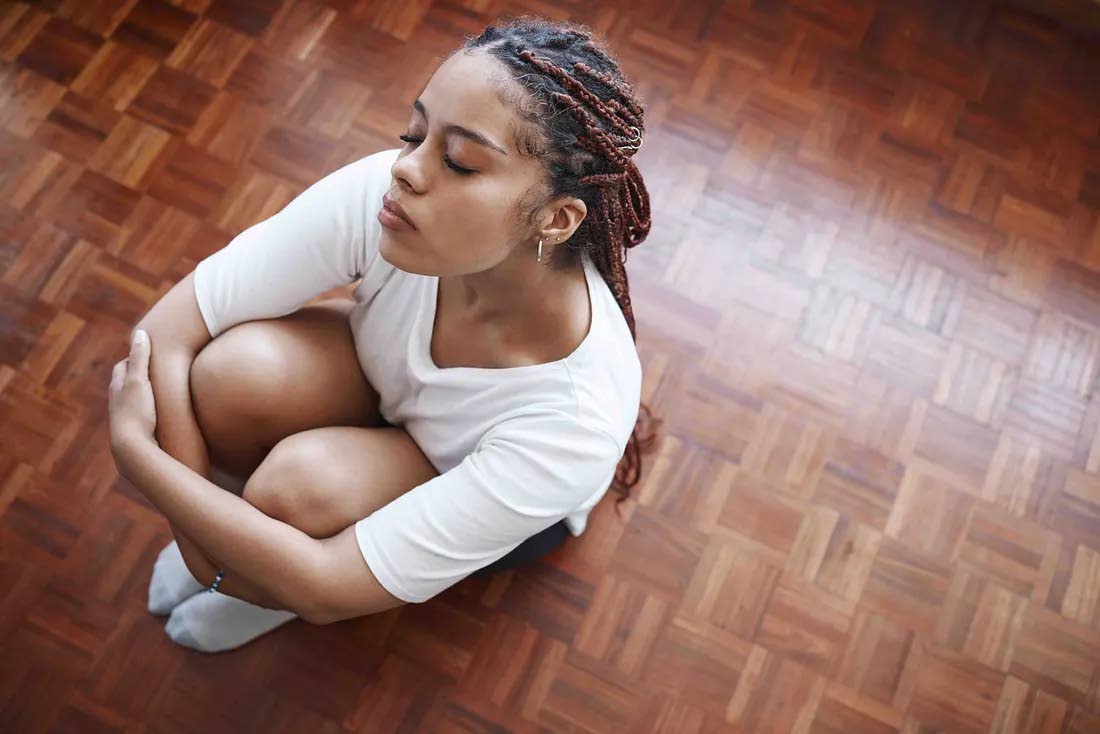


Silent battles: Women, mental health, and the strength to heal
BEHIND their smiles and daily routines, countless women wrestle with anxiety, depression, and postpartum struggles. For many, mental health struggles are an invisible weight carried quietly, and they smile at work, care for their families, and try to meet the endless demands placed on them.
Yet inside, the pressure can feel suffocating, in ways that often leave women more vulnerable to depression, anxiety and exhaustion.
After the birth of her daughter a year ago, Marilyn O couldn’t shake the sadness. She went through the motions of feeding and caring for her baby, but she felt disconnected from reality, and ashamed of feeling the way she felt.
“It was only when the nurse at the clinic asked how I, mom, was doing, and I told her, that I was referred to a doctor and got recommended for therapy, medication, and joined a
Facebook group with other mothers,” she said.
Motherhood, for all its beauty, can bring on one of the most difficult battles, in postpartum depression and anxiety. Too often brushed off as the “baby blues”, these conditions are far more consuming than most people realise. A mother may look at her baby and feel nothing but emptiness or guilt, convinced she is failing at the one role she thought would come naturally. Another may find herself panicking every time the baby sleeps, checking for signs of breath. These moments are not rare, and they are not the mother’s fault.
For Lesa W, who lived in constant fear that something terrible would happen to her newborn, night after night she hovered over his crib.
“I had to get medication, and thankfully the doctor in Jamaica paid attention when I expressed my feelings,” she said. “This helped me be less anxious.”
Mental health counsellor Angela Dacres said there are certain unique mental health pressures for women, including the hormonal transitions after childbirth, and other shifts during puberty, menstruation and menopause.
“These biological changes can contribute to mood fluctuations, anxiety, and even long-term depressive episodes,” she said.
Then there are social expectations and gender roles —the pressure to balance careers and family responsibilities that often leave women overstretched.
“Many also face societal expectations around who a woman, wife, mother, etc should be, which can negatively affect their self-esteem,” Dacres added.
She said women are also more likely to experience gender-based violence and harassment, both of which can leave lasting mental health impacts akin to post-traumatic stress disorder.
“And then one of the most specific and challenging conditions for women is postpartum depression, which can involve sadness, hopelessness, difficulty bonding with the baby, and a sense of guilt or inadequacy as a mother,” she said.
Even outside of motherhood, she said the burden on women weighs heavy.
“Most women can relate, and what these women share is not weakness, but resilience. Their stories remind us that healing is possible, but only when there is compassion, support, and a willingness to speak openly. This will be the difference between drowning in silence and finding a way forward.”
Dacres said it is time to stop whispering about women’s mental health and start recognising it as the urgent issue it is.
She lists these ways we can support women facing mental health challenges:
1) Normalise conversations: Open discussions reduce stigma and encourage help-seeking.
2) Accessible resources: Affordable therapy, workplace accommodations, and health programmes can make care more attainable.
3) Self-care practices: Exercise, balanced nutrition, journalling, and mindfulness can enhance resilience alongside professional help.
“These feelings are not character flaws; they are challenges that can be overcome,” Dacres said.