More social programmes needed as economy improves, say J'cans
Two members of a recent election focus group hosted by the Jamaica Observer has called for more social programmes to be implemented given Jamaica’s improving macroeconomic performances.
Issues regarding the economy have dominated this year’s election campaign, with both the Jamaica Labour Party (JLP) and the Opposition People’s National Party (PNP) proposing solutions to boost the economy and reduce cost of living.
Noting that the metric used to determine standard of living is GDP per capita, a member of the focus group said: “However, there are weaknesses with that measure. It doesn’t tell you the distribution of wealth, it doesn’t tell you the quality of life, the quality of healthcare, [and] the quality of education. So there are some variables that are not measured by GDP, and I believe that sometimes we focus too much on metrics. Sometimes we hear that primary surplus is so much, but people a dead fi hungry.”
Despite the country’s debt repayment being in good standing, the man noted that the level of poverty was evident across certain sections of the country.
“Mi see a lot of homeless people right before the Supreme Court [building] everyday… At three dozen a dem, everyday. Where is the government in looking after these people? And the surplus is good so that means there is money that they can put in to social programmes,” he asserted.
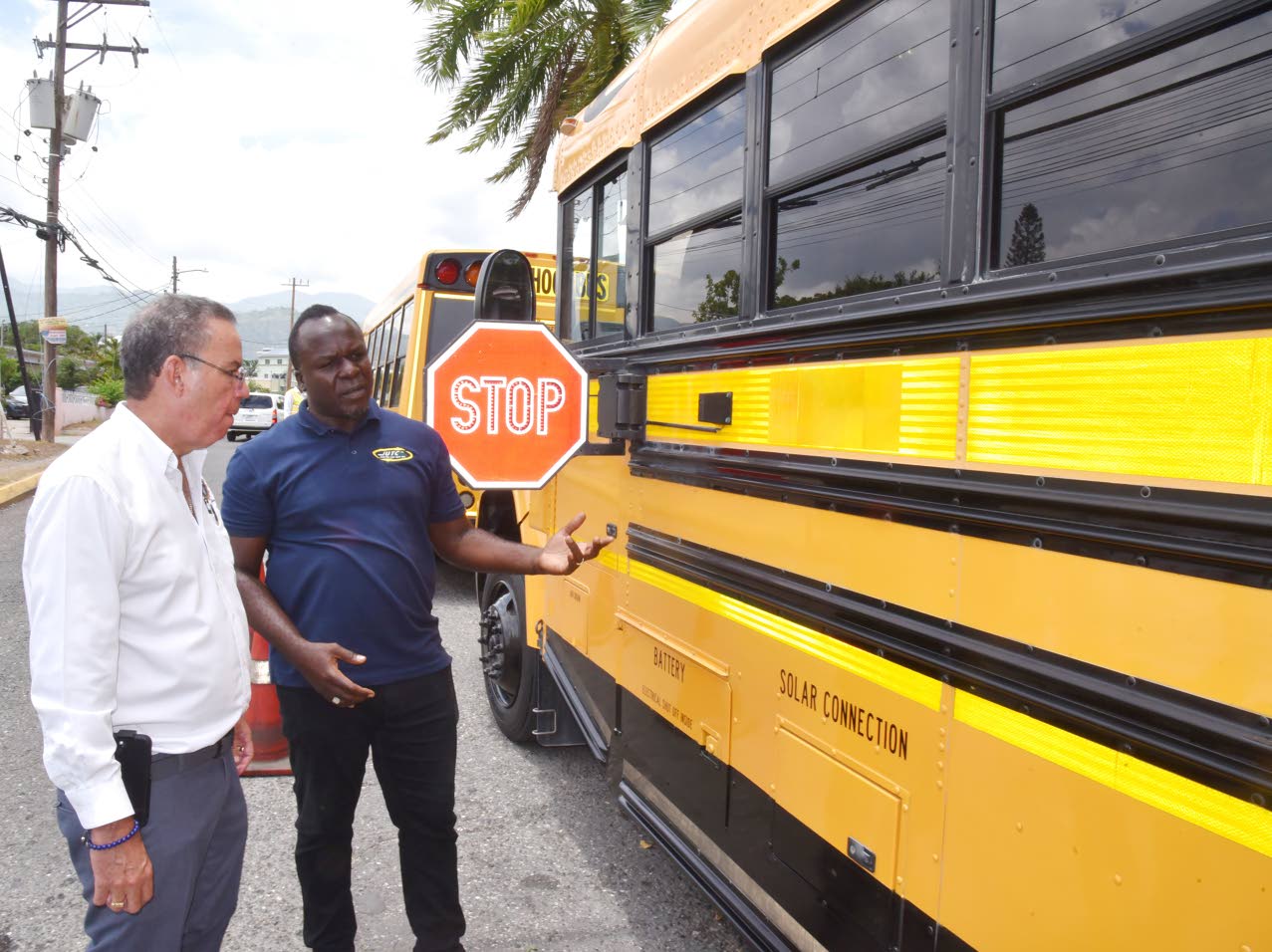
He pointed to the Rural School Bus Programme currently being implemented as an example of a social initiative to assist children in need. However, he criticised the purchasing of the left-hand driven buses, which he claimed can cause accidents.
“Normal developed countries do not import vehicles that the driver on the wrong side of the vehicle. That to me is a joke! I don’t hear nobody talk about it enuh, but it is a joke. Why not spend the money and some vehicle that the drivers are on the right side so that they can be safer on the road?” he asked.
Still, the man lambasted both political parties for missing the mark on social issues.
For her part, a woman raised the point that there is a perception of no accountability regarding how funds budgeted for are spent.
“You say you’d spend $10 on water [for example]. Was $10 spent on water? Are our politicians showing up for these [parliamentary] committees and councils? They’re often not showing up,” she indicated.
“So my challenge is not so much the economic policies that you set, but are economic policies being followed through. You have a lot of times when they read the budget that they say, ‘No new taxes’; however, if your cost of living is really high, would it not make sense to get a new tax so that we can have more social services given that we can’t afford basic things?” she asked.