Using the cost–benefit approach to decide whether to return the JLP to power
Political campaigns are generally a promotional strategy in which political parties use various communication channels — door-to-door contacts, public meetings and rallies, paid media and advertisements, direct mail and social media, debates and other organised events, manifestos, and collateral materials — to get their message across in an effort to influence voter decision at the polls.
What and how a political party chooses to communicate to the electorate is a key determinant of electoral success. In the United Kingdom and parliamentary democracies, manifestos are generally used by parties to set out their vision, goals, and programmes. In the United States, the so-called political platform serves the same purpose.
In the age of information technology, memories and attention span are short. Political campaigns must compete with an ever-increasing traffic of information for the ear of the target audience. Political parties must, therefore, frame their communication in concise, persuasive messaging that conveys the central theme of the campaign, similar to making a pitch in product marketing.
The People’s National Party (PNP) has been clear and consistent in its stance that having contributed to the stabilisation of the Jamaican economy, which came at great cost to the citizenry, time come to ease the burden and pass on the benefits in ways that the “suffering” teachers, police, health care workers, public service professionals, Pay As You Earn (PAYE) employees, and the poor can see and feel. The governing Jamaica Labour Party (JLP), on the strength of incumbency, framed its communication almost entirely around a track record of achievements, which has and will in future redound to the benefit of citizens.
The booklet titled ‘Record Achievements: The JLP Doing More for You’ lists over 200 achievements. At the JLP’s final political rally in the old capital, Spanish Town, Prime Minister Dr Andrew Holness narrowed down the achievements to some of the more impactful over the last three years, including crime reduced by 55 per cent; unemployment rate down to 3.2 per cent; debt cut in half; housing for the poor; no new taxes. That’s one side of the coin. To find the failures one must look elsewhere.
The Holness-led Administration has had, in my opinion, three notable failures:
1) To make bold constitutional changes in the area of governance, such as fixed election dates, term limits, and impeachment of holders of high political office who breach the people’s trust
2) To keep the promise made when in Opposition to raise the bar for personal and governmental rectitude by bringing a new level of transparency and morality to the areas of integrity, honesty, and trust.
3)To produce inclusive and equitable growth in the economy
As with any decision dealing with relationships, one must balance the costs of the failures against the benefits of the achievements. If the benefits outweigh the costs, one may decide to extend another chance for the person to redeem himself or herself by overcoming the shortcomings. Conversely, if the costs outweigh the benefits, and there is a better alternative, one may choose to move on.
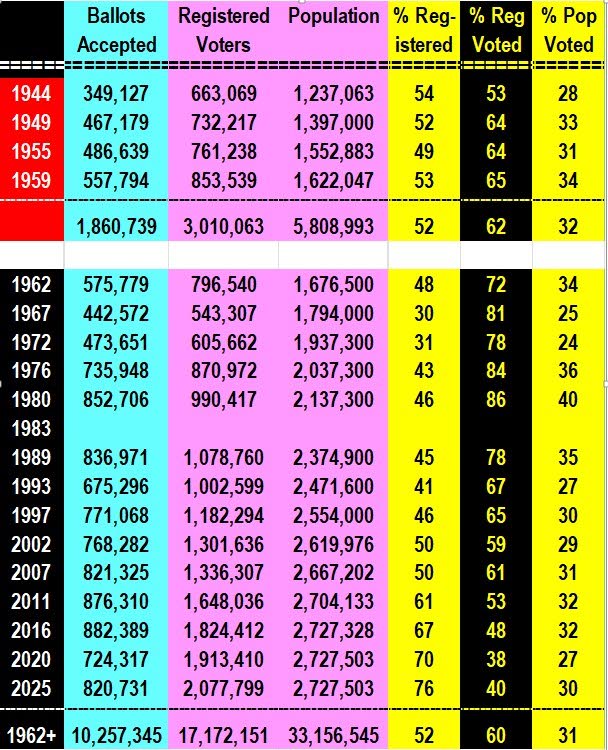
In reality, few Jamaicans take such a rational approach in deciding where to mark their X. Many will say they are born JLP or PNP and will die JLP or PNP. For others it is a matter of what they can get for themselves, the country be damned. Others will sell their vote to the highest bidder. While a large number have lost faith in representational politics and have withdrawn to the sidelines.
Dr Holness, human foibles notwithstanding, is a leader equal to his peers on the world stage. Even his worst detractors must admit he has steered the ship of State with astuteness, keeping it off the rocks and on a steady path of progress. The tribalists, on both sides, will find it hard to accept that failures and successes can be found in their favourite politician.
While some will curse politics and politicians, Jamaica can be justly proud that it has a thriving democracy characterised by freedom of speech and freedom of choice. We are also blessed that in Dr Holness and Opposition Leader Mark Golding we have leaders who are outstanding in their ability to lead and they mean Jamaica well.
That is enough reason to go out and vote on this general election day.
Dr Henley Morgan is founder and executive chairman of the Trench Town-based Social Enterprise, Agency for Inner-city Renewal, and author of My Trench Town journey: Lessons in Social Entrepreneurship and Community Transformation for Development Leaders, Policy Makers, Academics and Practitioners. Send comments to hmorgan@cwjamaica.com.

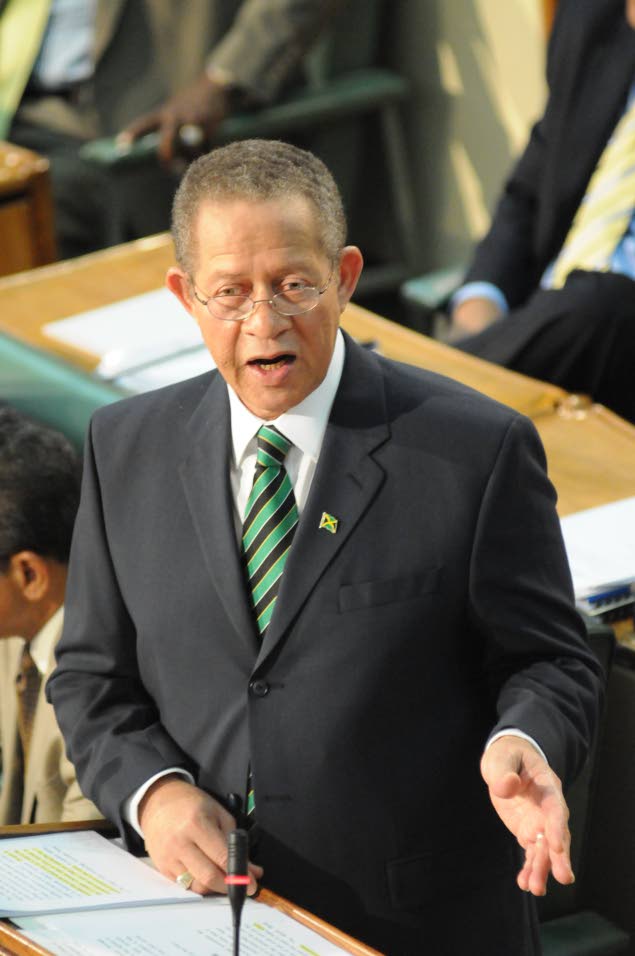
Andrew Holness
Jamaica is blessed that in Andrew Holness and Mark Golding we have leaders who mean Jamaica well.

Henley Morgan