



Combating food insecurity
Recent events in Gaza have highlighted the significance of food security. Hundreds of deaths in the region in recent weeks are attributed to lack of food. The situation underscores how access to food is critical to stability, nutrition, and well-being.
The term food insecurity has become a buzzword nationally and internationally. The forecast about this phenomenon is ominous. I am not at all scared by this because my faith is undergirded by the Judeo-Christian belief system which states that a time of unprecedented famine and hunger is going to engulf the world and famine will be widespread.
The recent hurricanes, the wars, bird flu, and the political tariffs are telltales of what awaits us. Eggs which use to cost US$0.99 cents a crate not too long ago in the US is now trending towards US$7.
From my readings I see where the US, once the breadbasket of the world, has begun to be crippled by food shortages. A nation that was once so generous in aiding the rest of the world is now scrambling to meet the food needs of its citizens, so much so that the milk powder, flour, cornmeal, butter, oil, cheese, and chicken back that use to be dumped on Jamaica gratis in the years of yore are no more, and we wish we could garner those things we once took for granted.
I happen to do most of the supermarket shopping in my household and I am able to see first-hand the scarcity and sparsity of foodstuff in the supermarkets. Each week I see a climbing bill. The days when a wallet of bills could buy a hamper of food has been reversed; now you bring a hamper load of dollars to shop only to leave with a “scandal bag” of groceries.
The days ahead are going to be worse than we can ever imagine if trends don’t change. US President Donald Trump’s ‘Make America Great Again’ movement, in its attempt to implement its crazy agenda especially through deportation, has left farmers in a lurch as many of their farmhands have gone into hibernation and production has taken a nosedive. If the Government of Jamaica does not now take strategic action to get our nation to embrace the concept of “eating what we plant and planting what we eat”, sad is going to be our bitter lament.
It is amazing to see people who have not much land trying to do extensive farming to meet domestic needs while thousands of acres of lands owned by the barons lie waste and idle. I applaud people in England who are able, during a short summer, to meticulously farm small plots they rent from the city to plant cash crops and relish the joy it brings them to enjoy the labours of their hands.
I grew up in an agrarian community where subsistent farming was the order of the day. Many of us have become who we are because of the arduous toil of our parents. The communal spirit was infectious, farmers would share days and when the time of reaping came people would come rejoicing, stockpiling the harvest. We had everything to eat, authentic organic food; the only thing we had to buy was the “salt thing”. People were healthier, happier, and fulfilled.
Farming has now been relegated in our hierarchy of needs. Foreign consumerism has now become the order of the day, it’s a new generation with a new mindset. It’s the age of the instant, the age of fast food, which is resulting in diabetes, high cholesterol, and obesity.
It is mind-boggling that Jamaicans are converting farm lands to residential schemes. Why should we, as a nation, spend our scarce foreign exchange earnings importing agricultural products that could be grown right here? Should we really be importing carrots, onions, bananas, eggs, and corn? Can we not recall the days when Jamaica’s banana was the most sought after in the UK and the US? There were boxing plants in many parishes; St Mary and St James are two such that readily come to mind. Or shall we forget when Jamaican sugar was king, producing quality sugar and its by-products at Appleton, Frome, Moneymusk, Long Pond, among others. Now we have locked down or curtailed their operations and have resorted to importing these products.
If we don’t wake from our slumber and return to domestic farming and production we could very well be setting up ourselves for a crisis when hungry bellies will growl.
Floyd Green’s portfolio responsibility as minister of agriculture is a challenging one, but I pray, as a son of a farming community, he will be able to rise to the occasion of challenging our nation to get back to the sod. Mother Earth never ‘menopaused’ and stands ready to give prolific output.
I drove along the south-western coast last week and observed so much fertile, unused lands turning into deserts and crying out, “Come farm me.” And the few who respond to the plaintive plea are terrorised and preyed on by praedial arsonists.
My father will be 95 in November and he has this unending romance with the earth. He still farms. His wife has done all she can to keep him away from the field, but to no avail. When he farms they raid his yam hills, cut his bananas and plantains, and steal his pumpkins, but he keeps on keeping on while the young and abled lie in wait to steal and destroy. Minister Green, do you see why the law needs some more teeth to deal with agricultural thieves? Those who dare to provide the nation’s daily bread should not be disadvantaged, they should be empowered so that we can avert the pending catastrophe.
Perhaps, Minister, some of our high schools could be restructured to become major players in agriculture. How about designing them to be agricultural training centres (ATC) so that training in agriculture can trigger a domino effect. They could train agricultural inspectors, field officers, praedial preventionists and deploying them nationwide to train small farmers in modern techniques, thus boosting productivity.
Or let us consider, through the process of imminent domain, reclaiming some of these idle acreages so that farmers can have access to arable lands to farm to help feed the nation. It irks me when I see how backward we have become as a nation in preparing ourselves to mitigate the food crisis that is coming upon our land.
Farming is not infra dig, it is the most important of our national priorities. If only we had followed the vision of the 70s, it is likely we would not be in the crisis we are in now. If most of the unemployed and those engaged in violent crimes would engage in agriculture, Jamaica would benefit from economic stability.
My supermarket bill last week, with bare essentials and no protein, was $15,785. How then shall those who have no earning power survive?
I challenge the brain trust of Jamaica to put on its binoculars, see what is coming, and act now to avert the pending calamity that will be occasioned by food insecurity
blpprob@aol.com
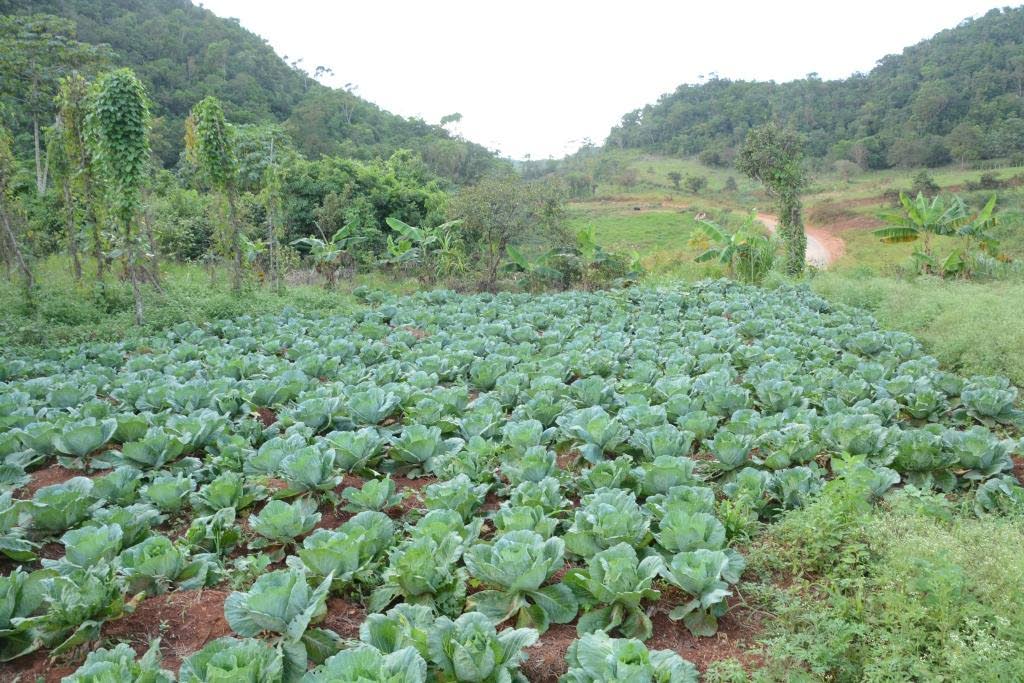
A significant number of farmers lose crops and livestock to praedial larceny.
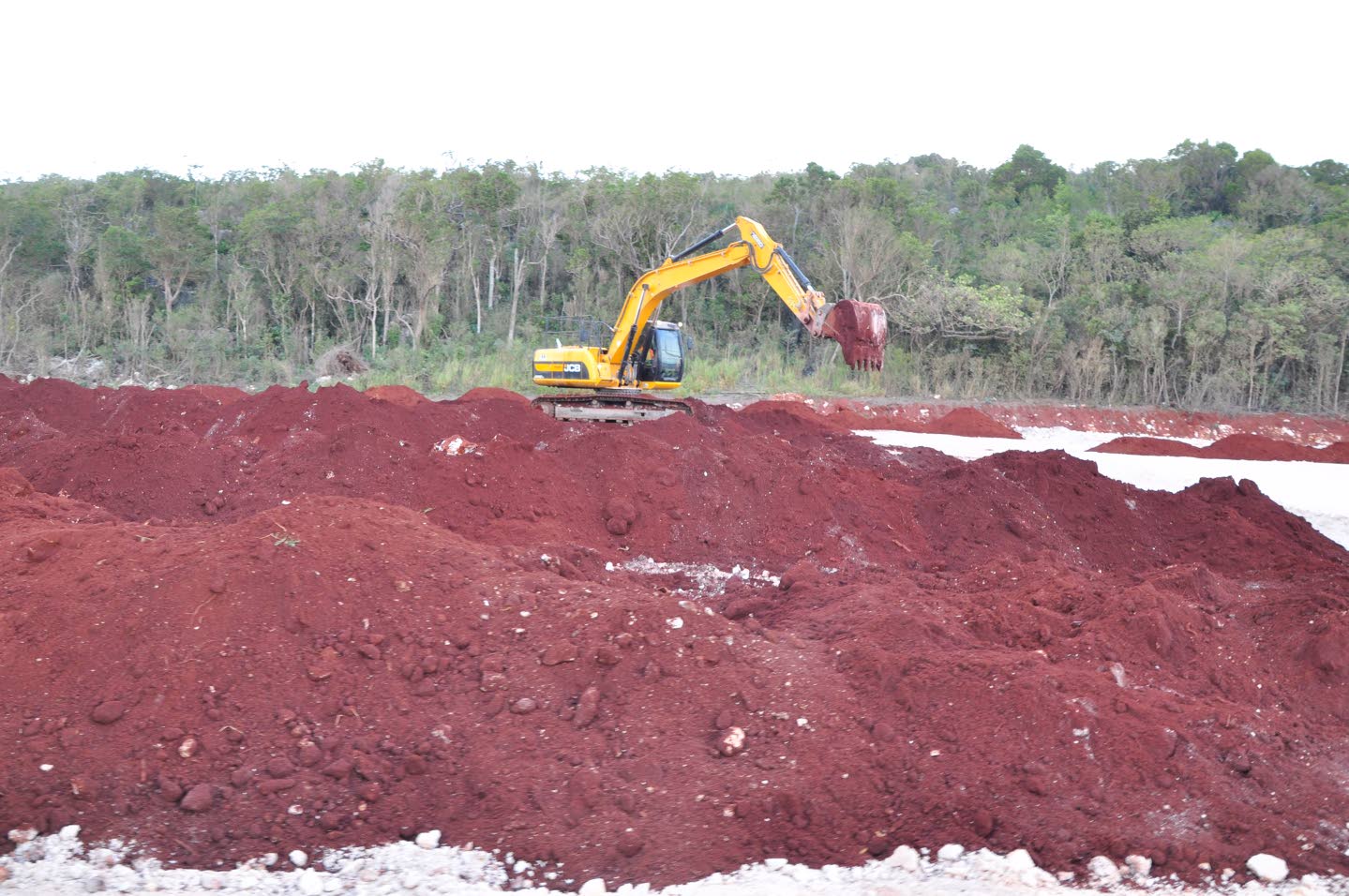
Suitable farmland is oftentimes used for other purposes.


