



Jamaica’s Food Safety Culture
With Emancipation Day being celebrated tomorrow, now is an opportune moment to reflect not only on the struggles and sacrifices of our ancestors, but also on the lingering impact of colonial rule — particularly in areas we often overlook, like our food. From the ingredients we rely on, to the methods we use to preserve and prepare meals, and even our trust (or mistrust) in food safety systems — much of it has roots in colonial-era practices. Understanding this legacy can help us reclaim healthier, safer, and more culturally grounded relationships with our food.
Food is more than sustenance. In the Caribbean, food is culture, survival, resistance, and resilience. Yet, behind the rich flavours and iconic dishes lies a deep and complex history rooted in colonialism — a history that continues to influence food safety realities in the region today.
The Origins: Food as a Tool of Control
During colonial rule, Africans were subjected to food systems designed to maintain control rather than to nourish. Food rations provided on plantations were often spoiled, nutritionally inadequate, or intentionally restricted. Salted meats, flour, rice, and cornmeal were common provisions, but fresh, safe food was scarce. As a result, Afro-Caribbean communities developed creative strategies to supplement their diets — growing “provision grounds,” sharing communal meals, and preserving food with techniques like smoking and fermenting.
Access to clean water, safe storage, and hygienic preparation was largely non-existent. Foodborne illnesses were frequent, and colonial authorities paid little attention to the health of the majority population. Despite this, communities adapted with resilience, passing down knowledge and culinary practices that continue today — some of which still inform how food is prepared and handled in rural and urban Jamaica.
Inherited Practices and Informal Economies
After formal emancipation, many Jamaicans remained tied to plantation economies or turned to small-scale food vending and informal markets to earn a living. Cook shops, roadside stalls, and hand carts became symbols of economic independence and cultural identity. But these businesses often operated without access to critical infrastructure — refrigeration; clean, running water; or proper waste management.
Today, those legacies remain visible. From jerk huts and soup vendors to higglers in the Coronation Market, many food operators are still working under conditions that mirror those shaped by colonial neglect. These enterprises feed thousands daily, but the lack of consistent regulation and resources can increase the risk of contamination and foodborne illness, particularly when demand is high and oversight is low.
Mistrust of Authorities and Cultural Attitudes
Centuries of systemic oppression and exploitation have left a lasting mistrust of authority among many Caribbean communities. This includes scepticism toward food safety inspectors, regulations, and government messaging. Phrases like “wah nuh kill, fatten” or “we ah eat dat long time an wi alright” reflect a mindset shaped by survival. In the face of scarcity and injustice, people learned to make do with what was available, even if it was imperfect.
This deeply ingrained cultural attitude, while rooted in resilience, can sometimes clash with modern food safety guidance. Many people still underestimate the risks of eating spoiled or mishandled food, especially if illness doesn’t occur immediately. This presents a challenge for public health efforts, which must bridge the gap between traditional wisdom and scientific best practices with empathy and cultural relevance.
Unequal Access to Safe Food Environments
The long shadow of colonialism also lingers in the form of unequal access to basic infrastructure. In some urban and rural Jamaican communities, clean water, cold storage, and proper food-grade equipment are still not guaranteed. These challenges are not just economic — they are historical. Colonial development policies intentionally concentrated resources in elite areas, leaving many working-class communities under-resourced.
The result is that food safety becomes a class issue. Those with less access to safe preparation spaces or reliable refrigeration are more vulnerable to illness. This isn’t just about personal choice — it’s about historical inequity. True food safety must include access to the tools and environments that allow people to prepare food safely.
Preserving Tradition While Protecting Health
Understanding the influence of colonialism on food practices helps contextualize many of the challenges we face today. Practices like curing meats (cured pig tails, corned pork, salt fish, and salt mackerel), fermenting vegetables (escoveitch pickle), or cooking in communal spaces were developed out of necessity but also brilliance. They helped preserve food in the absence of refrigeration and continue to play a role in Caribbean food identity.
Modern food safety education must honour these traditions while also introducing updated practices that protect health in today’s environment. For example, teaching vendors how to apply hygienic handling while still cooking in traditional roadside settings, or how to store perishables properly using affordable cooling methods.
A New Kind of Freedom
The celebration of Emancipation and Independence must also see a reflection on another form of liberation — the freedom from unsafe food systems. Food safety should not be a privilege enjoyed only by the wealthy, well-connected, or educated. It should be a national standard and culture rooted in justice, empowerment, and dignity.
Jamaica’s story is one of survival, but it must also be one of transformation. From the shadows of colonialism, we now have the opportunity to shape a food culture where safety and heritage go hand in hand and where every meal honours our past and protects our future.
Preservation Methods: Then and Now
During colonial times, without access to refrigeration or modern packaging, Caribbean communities relied on ingenious preservation methods to keep food edible and safe for longer periods. Techniques such as smoking, salting, fermenting, and drying were essential. Smoking meats and fish not only added flavour but also helped inhibit bacterial growth by reducing moisture and exposing food to natural antimicrobial compounds from wood smoke. Salting, often applied to meats and fish, drew out moisture and created inhospitable conditions for many spoilage organisms.
Fermentation was another time-tested method, used for foods like cassava, coconut, and vegetables, which not only preserved the food but also enhanced nutritional value and digestibility. Drying fruits, herbs, and grains reduced water activity, preventing microbial spoilage and allowing food to be stored for extended periods.
Today, while refrigeration, freezing, vacuum sealing, and chemical preservatives dominate food preservation, many traditional methods continue to hold cultural and practical value. For example, jerk seasoning combined with smoking remains a hallmark of Jamaican cuisine, preserving meat safely and imparting a unique flavour. Fermented products like our sorrel drink, fruit wines, and herbal tonics are still widely enjoyed, blending heritage with ongoing food safety awareness.
Modern preservation technologies allow for safer, more controlled food storage and longer shelf lives, but they also come with their own challenges, such as reliance on electricity and industrial processing. By combining traditional wisdom with modern science, Jamaica and the Caribbean can maintain a rich culinary legacy while ensuring that food remains safe for every table.
About the Author
Allison Richards is a food safety communicator and the founder of The Food Safety Girl, a consumer awareness platform dedicated to promoting food safety in Jamaica. She is also the host of The Big Bite Food Safety Show, a radio program that educates listeners on food safety issues. With over 14 years of experience in food safety regulation, Allison is passionate about empowering consumers and industry stakeholders to make informed choices that protect both health and the environment.
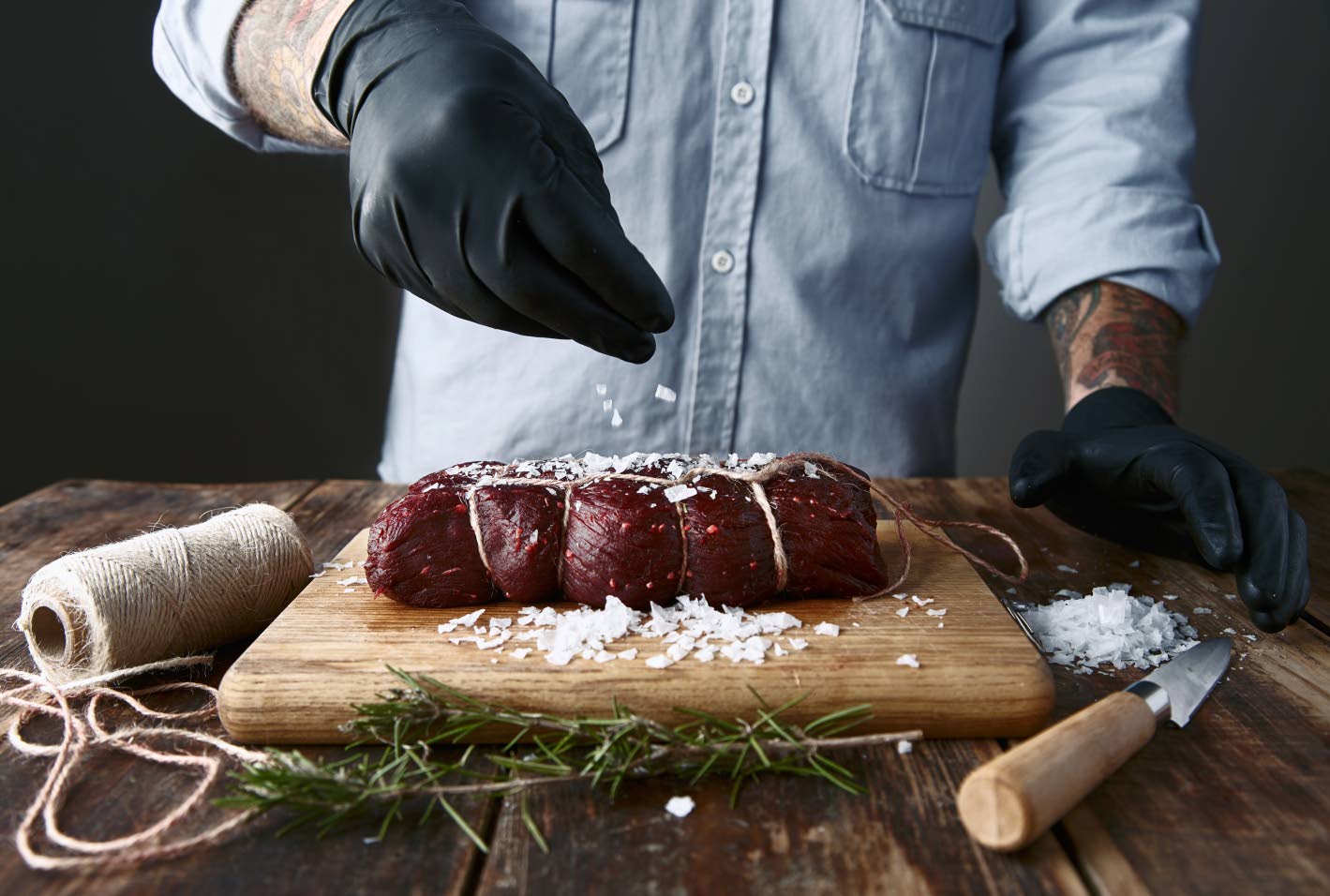
Practices like curing meats were developed out of necessity but also brilliance.
Allison Richards | thefoodsafetygirlja@gmail.com.


