



Scott-Mottley argues in favour of fixed election date
Arguing that Jamaica is presently suffering from “election fatigue” due to uncertainty over when the pending general election will be held, Opposition spokeswoman on justice Senator Donna Scott-Mottley says the reverse would be the case should the People’s National Party (PNP) party form the next Government.
“The moment we form the Government we will take it to the party to have a fulsome discourse on it and engage the public… if we say we are a democracy we need to listen to the people,” Scott-Mottley on Wednesday told a virtual forum hosted by the Private Sector Organisation of Jamaica to examine the issue of a fixed election date for Jamaica which, based on the constitution, is due every five years. The last general elections were held in September 2020.
“We are willing to advance to the people the benefit of a fixed election date and the only group that I see that benefits from having this prime ministerial discretion is a government in power who has the advantage of setting an election date without sufficient notice. That is unfair in our democracy,” she said, pointing out that a recent poll has shown that 88.8 per cent of Jamaicans favour a fixed election date.
According to Scott-Mottley, the only objections to a fixed election date have surrounded concerns about the path to be taken if there is a “need to go to early elections if the Government is a bad Government”.
“If there are concerns with governance or if there is an emergency or a crisis you should be able to call early elections,” she argued.
“This is the way in which the fixed election Act in the United Kingdom was approached. That is really the only objection I have heard and I believe that can be resolved by having in the legal provisions a trigger,” Scott-Mottley reasoned.
Constitutional law expert Dr Lloyd Barnett said he was at a loss as to why there has been no real movement on the issue, given the widespread consensus from all sides.
“There has, as far as I know, never been a statement by any prime minster or political leader in opposition to fixed election dates. The current prime minister spoke in favour of it and I am a little surprised that the Minister [of Legal and Constitutional Affairs Marlene Malahoo-Forte] said something which indicates that there is no decision in favour, but we have always heard and understood that prime ministers have been in favour. As far as I know, the consensus in Jamaica among political leaders has been in favour,” Barnett, a member of the Constitutional Reform Committee (CRC), said of the highly emotive issue.
Malahoo-Forte, in a quick rejoinder, however, said she was “not aware of any consensus on fixed election when the issue was canvassed”.
“In the past, what I have seen from the research is that there was no agreement on this matter at all, none. In fact, the records show that there were expressed arguments against fixing election dates in the past. Like I say, this Government recognises that there are many things we have to reform on and we have certainly considered the reforms. Having said that, we also know that reforms don’t come easily at all and as a nation we speak more than we act. There is a lot of work ahead of us as we mature as a nation,” she said crisply.
Her argument was, however, countered by Barnett, who said he was “very puzzled” by the minister’s position.
“The Constitutional Reform Committee recommended the adoption of a fixed election date. It said that because the alteration of the constitution required a referendum, then it was important to have consensus, but it recommended to the Cabinet that there should be a fixed election date. I have not heard, so far, any reason given why that recommendation is rejected. A Bill has been tabled in the Parliament and that recommendation should be dealt with in that Bill because a recommendation was made, and either it should be said that the recommendation is rejected or is accepted,” Barnett said.
“There are other matters which have been put in the Bill which are debatable, but have been included because it has been felt that those matters are in the interest of the country,” he insisted.
However, Malahoo-Forte retorted pointedly: “To the best of my knowledge, I am not aware of there being any consensus on this matter of moving to fixed elections when the issue was canvassed, but bear in mind also that the reform efforts were overtaken by other matters which have left us where we are.
“We are all agreed on paying very close attention to the voice of the people in this matter. The matter remains under active consideration. When there is agreement on the two sides, we hope we can go forward, but again, we have seen where we have proceeded on matters where there was expressed agreement and then there was derailment. I have not said the Cabinet has rejected that at all. The recommendations of the committee were accepted by the Cabinet and the report was tabled in the Parliament as a ministry paper. The Cabinet of which I am a part accepted the recommendations of the CRC, I don’t know if I can put it any higher than that,” she added.
Barnett, though pressed, asking, “Why can’t we go forward? It should be in the Bill because there is no expressed opposition to it and there is no indication that there is public resistance to it.”
Malahoo-Forte responded: “Well, I can tell you of a fact that I know there was no consensus on this point between Government and Opposition, and I say that without fear of contradiction.”
In April 2023 Prime Minister Dr Andrew Holness named the members of the CRC to, among other things, assess how the passage of time has impacted the recommendations of the 1995 joint select committee on the Constitutional and Electoral Reform Report, with the work being done in three phases.
According to the Jamaica Labour Party Administration, the first phase of reform will involve replacing the British monarch as head of State with a Jamaican president. The Opposition, however, is insisting that a decision on the country’s final court must also be made in tandem.
In December last year the Constitution (Amendment) (Republic) Bill, 2024 to amend the Jamaican Constitution so as to transition the country towards a republic was tabled in the House of Representatives and placed before a joint select committee for review. Opposition members, however, have, since January, boycotted those proceedings, saying they will not return until the Government explains why it has not yet chosen to accede to the Caribbean Court of Justice as its final appellate court, over the Judicial Committee of the Privy Council in England.
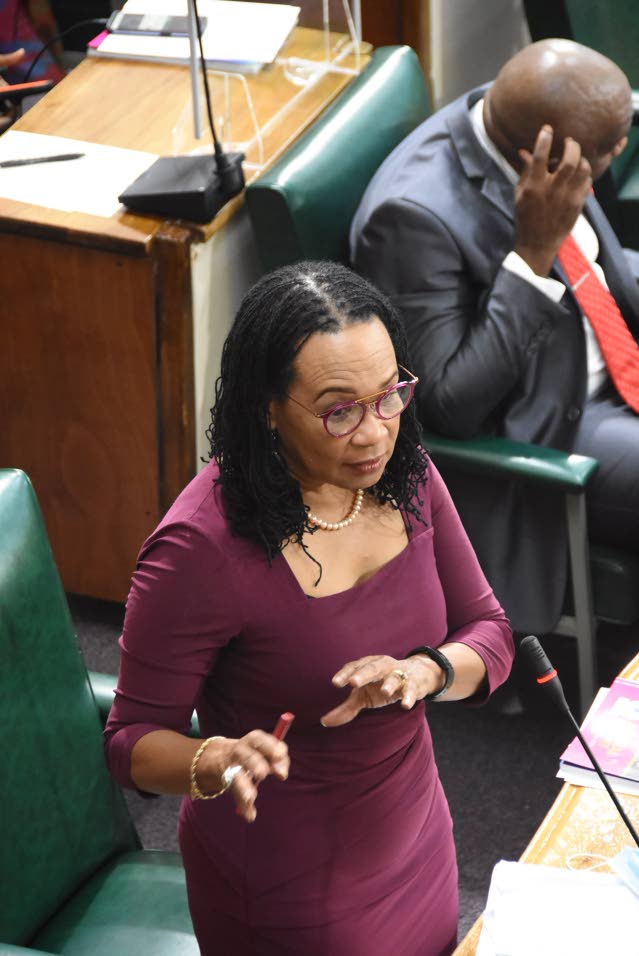
SCOTT-MOTTLEY… we are willing to advance to the people the benefit of a fixed election date and the only group that I see that benefits from having this prime ministerial discretion is a government in power
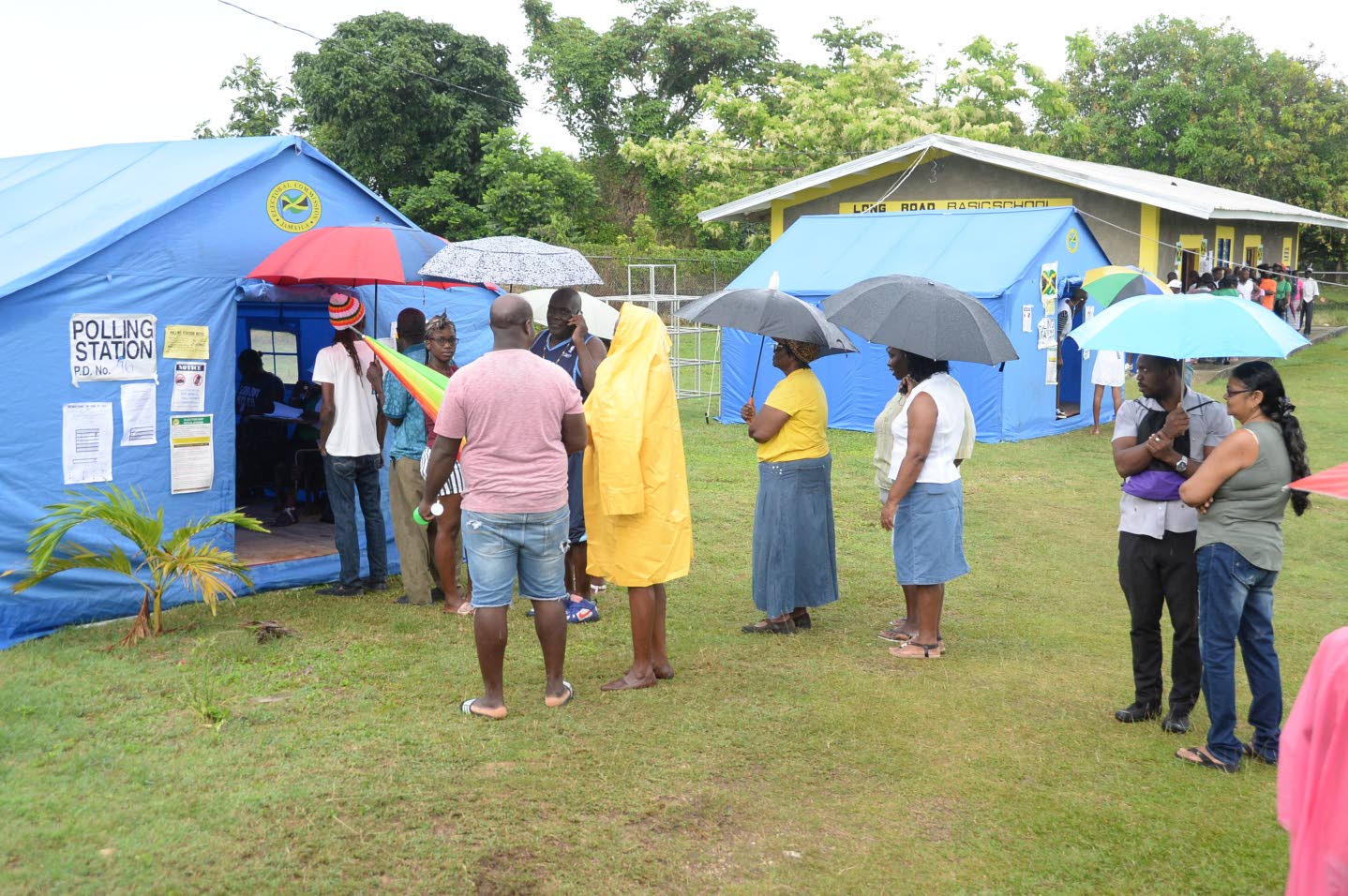
In this file photo voters wait in line to cast their ballots
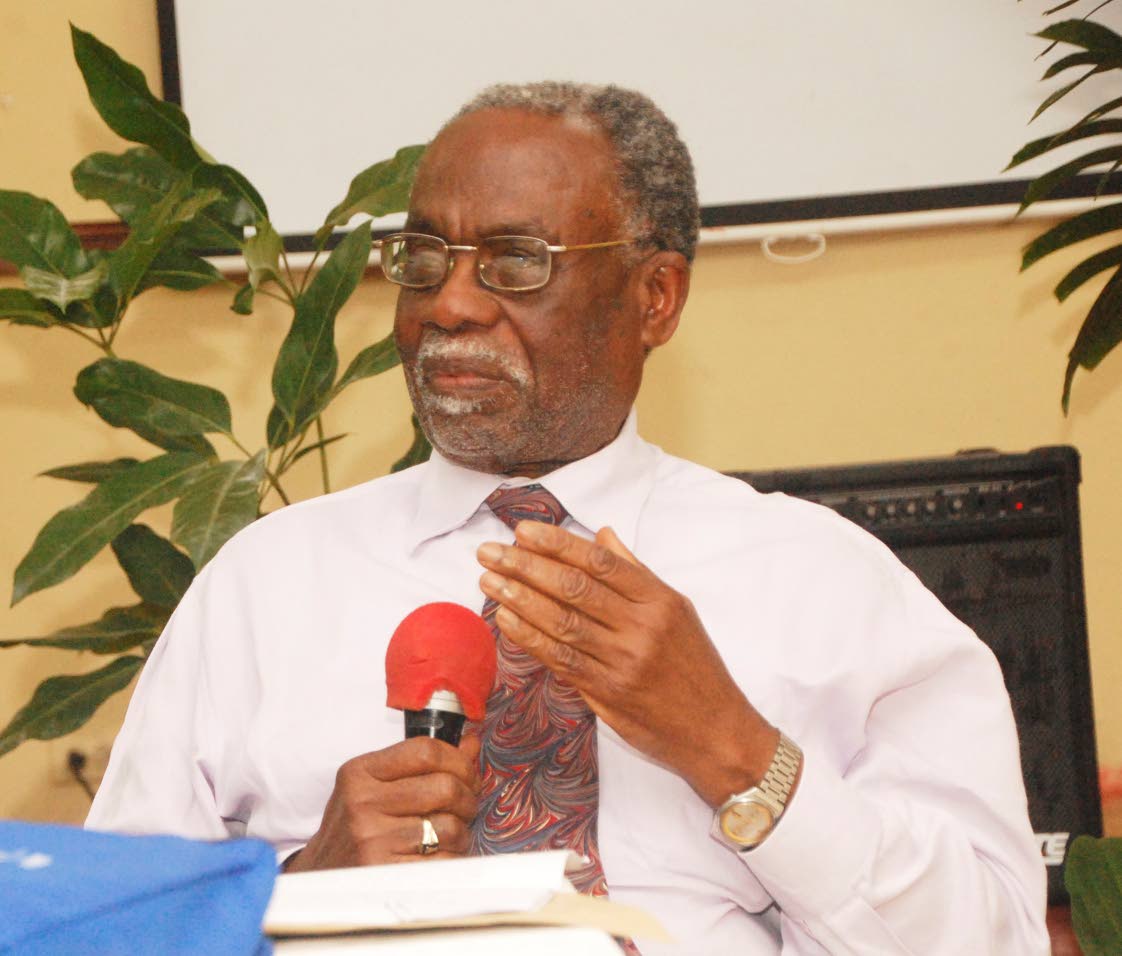
BARNETT… there has, as far as I know, never been a statement by any prime minster or political leader in opposition to fixed election dates


