Naming the election date
A prime minister’s prerogative used haphazardly over the years
PRIME Minister Dr Andrew Holness’s announcement on Sunday that Jamaicans will go to the polls on Wednesday, September 3, 2025 is in keeping with the historical trend despite criticisms that he unduly delayed naming the date.
An examination of the 18 general elections held in Jamaica since Universal Adult Suffrage in 1944 shows that they have been held, on average, every 4.2 years.
This means each party has, from time to time, gambled with months left of their term in office, while others have tiptoed over the five years.
Holness may have gone down to the wire this time, but when he announced the date for the September 3, 2020 General Election he still had five months left on his first term in office.
After the Labour Party, now the Jamaica Labour Party (JLP), won the first election on December 14, 1944, it served a full five years and six days until December 20, 1949 when it again prevailed at the polls.
Jamaicans would not vote again in a general election until January 12, 1955, five years and three weeks after the Labour Party was elected for a second consecutive term.
On this occasion the People’s National Party (PNP) tasted victory for the first time and immediately set a trend of calling elections early.
When Jamaicans went to the polls on July 28, 1959, the PNP still had six months left in office.
It would serve an even shorter term of just two years and nine months as Premier Norman Washington Manley gambled with securing a mandate to lead Jamaica into Independence when he set April 10 for the 1962 General Election.
The PNP suffered defeat and Sir Alexander Bustamante had the privilege of becoming Jamaica’s first prime minister.
The JLP served four years and 10 months between April 1962 and February 1967, then a full five years and eight days between February 1967 and February 1972.
After Michael Manley led the PNP to victory in 1972, he called elections just shy of two months early on December 15, 1976 to embark on his second term in office.
Manley called the 1980 General Election nearly 11 months early — they were not due before December 1981 — because of a multitude of factors, including rising food and oil prices, as well as the ideological war between the JLP and PNP about the direction in which Manley was taking the country. The rising crime rate, which saw more than 800 Jamaicans murdered, was also a major factor.
While the elections were not held until October 30, 1980, Manley had signalled from as early as February that elections would be held that year.
That set up a scenario for the longest general election campaign in the country’s history. With the bloodletting that followed, the system was overhauled to ensure minimum and maximum number of days between the announcement of an election date and nomination day, and between nomination day and election day.
The second-shortest general election cycle was between 1980 and 1983. Having won a landslide in 1980, the JLP’s Edward Seaga called a snap election for December 1983, just under three years and two months into his first term in office.
But the PNP boycotted the election and, after the voting, all 60 seats in the House of Representatives were held by the JLP. That resulted in Seaga using the opportunity to appoint “independent” members to the Senate.
Seaga would remain in office until February 9, 1989 when Manley, riding a new wave of popularity, won a third term as prime minister. The elections were due by December 1988 but, with the country still recovering from the ravages of Hurricane Gilbert on September 12, 1988, it was extended by nearly two months to facilitate the ongoing recovery efforts.
In more recent elections, both sides have tended to go early for various reasons. After Manley stepped down midway his third term in office in 1992 due to health reasons, PJ Patterson was installed as prime minister. He called the election 11 months early on March 30, 1993 as he moved quickly to secure his own mandate.
Patterson went three months early in his second term on December 18, 1997. He would go two months early on October 16, 2002 when he secured a third term.
When Patterson stepped down in 2006, the baton was passed to Portia Simpson Miller. She took it almost down to the wire but lost in a September 3, 2007 General Election to Bruce Golding.
For his part, Golding resigned amid the fallout from the Christopher “Dudus” Coke extradition saga and the baton was passed to Holness who led the JLP to defeat at the hands of Simpson Miller on December 29, 2011.
At the time, the JLP still had nine months left in office.
Like Holness, Simpson Miller would go early in 2016 and lost. She had 10 months left in office when she set the date for the February 25, 2016 election.
Holness then called the 2020 General Election for September 3, five months early.
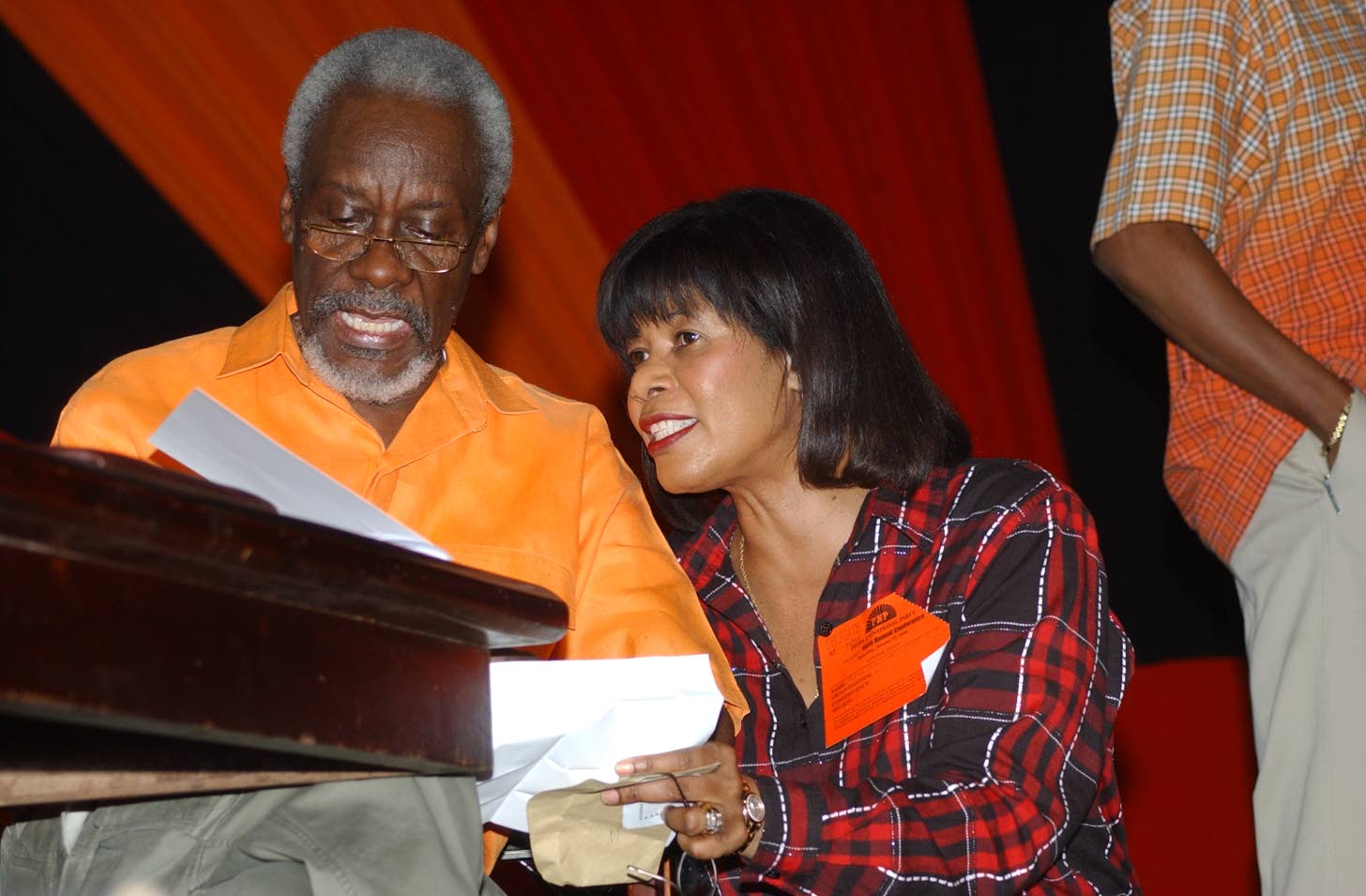
Former Prime Minister P J Patterson called his first general election in 1993, 11 months before being due, while former Prime Minister Portia Simpson Miller called her first general election almost at the wire in September 2007.
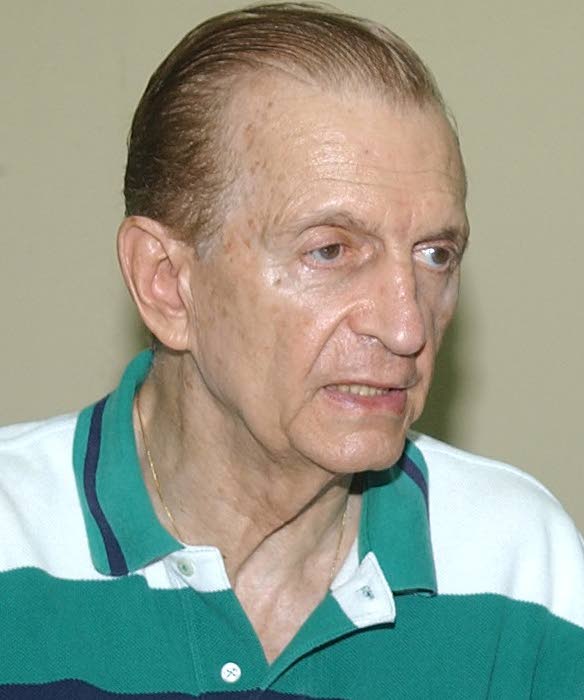
Former Prime Minister Edward Seaga called the 1983 General Election just three years and two months into his first term in office.