



Out of many, one
Who as a child would not have harboured thoughts of one day being the master of his/her own destiny, not being subjected to the rules, dictates, or strictures of others? That is the infantile and limited context within which the understanding of an independent Jamaica and nation-building took root in the minds of many of our citizens.
And that, it seems, is how we have proceeded these past 63 years as an independent nation. Each man for himself, without an agreed vision of where we want to go, a strategy for engaging the populace in getting there, or shared values for keeping us on course.
The great America adopted the doctrine of “separate but equal”. Upheld in the 1896 Plessy versus Ferguson Supreme Court case, the doctrine allowed state and local governments to continue the practice of segregation based on race if they provided the same public facilities to black people as they provided to whites. This was the law of the land until overturned by the Supreme Court ruling in the 1954 case of Brown versus Board of Education.
The founding fathers of modern Jamaica wanted something better than that for our fledgling island State. Our motto — ‘Out of many one people’ — implies that the nation’s strength is in its diversity. It says simply: We may trace our ancestry to different origins, but in Jamaica we take on a new identity. We are members of one Jamaican family.
But we have failed to live up to the ideals of our motto; this is a divided nation. Oblivious to biblical wisdom imparted by Jesus, who said that a house divided against itself cannot stand, we have not progressed the way that we should given our human and natural assets. Why has Jamaica, which admittedly has made strides in important aspects of national life and enjoyed many proud moments on the world stage, failed to fulfil its immense potential?
The answer to that vexing question lies, in part, with our childish understanding of Independence, which was marked by the lowering of the Union Jack and raising of the green, black, and gold on August 6, 1962. Many among us see Independence as the ultimate stage in the maturation process. We have not, as a nation, looked seriously beyond the event to the next level of development and, most importantly, considered what it requires of each of us working together in unison.
The late management guru and author Stephen Covey, in his book titled The Seven Habits of Highly Effective People provided profound insight into the human maturation process. Every child, he posited, is born into a state of dependency. As the child approaches adulthood, he matures from dependence to independence. According to Covey, interdependence, learning to live and work in harmonious relationships with other people, not independence, is the highest form of human maturity. What is true for people I believe to be also true for nations.
With this limited perspective, political independence has not met the expectation of the majority of the citizenry. An August 2017 Bill Johnson poll asked the question: Would Jamaica be better off if it had remained a colony of Great Britain? A majority 73 per cent of respondents said they strongly agreed, agreed, or could not say. If a similar poll were done today, would the result be any different? This should give pause to those in political leadership pushing the idea of Jamaica becoming a republic as if it were a panacea for the ills of the nation.
It’s not merely a matter of our economics which rob the country of growth and leaves many behind. In fact, our lack of economic growth is the outcome and not the cause of the lack of progress. In November 2024, Prime Minister Dr Andrew Holness, in a thoughtful and sincere speech, announced to the nation a pivot in economic policy to inclusive growth. Using language reminiscent of that used by National Hero Norman Washington Manley in his last public address, he declared “mission accomplished” in creating a stable economy. If announcements and good intentions were all that they are made out to be, Jamaica would today be a wealthy and harmonious society.
The sad reality is that this is a low-trust society. There is research to prove that trust, particularly in the institutions of government, have traditionally been near rock bottom. Only good governance, including transparency and accountability to the people, who in this moment are being wowed to vote for one political party or the other, can fix that.
Succeeding governments have failed to scale the bar for good governance they set themselves when in Opposition. Most damaging to the prospects of the nation are the broken promises of a new moral code in the conduct of the people’s business. Corruption, poor stewardship of the public purse, and feathering of one’s nest are rife. The result, as we have seen in local government and general elections, is apathy. Where there is apathy, there is no oneness, and where there is no oneness, there can be no effective nation-building.
As we embark on yet another year as an independent nation, with the hope of shaking loose the final shackles of colonialism by becoming a republic, let us adopt the philosophy of our first National Hero Marcus Mosiah Garvey, used as a rallying cry to inspire his and future generations towards the shared goal of political, economic, and social advancement: ‘One God! One Aim! One Destiny!’
Dr Henley Morgan, is founder and executive chairman of the Trench Town-based Social Enterprise, Agency for Inner-city Renewal, and author of My Trench Town Journey: Lessons in Social Entrepreneurship and Community Transformation for Development Leaders, Policy Makers, Academics and Practitioners. Send comments to the Jamaica Observer or hmorgan@cwjamaica.com.
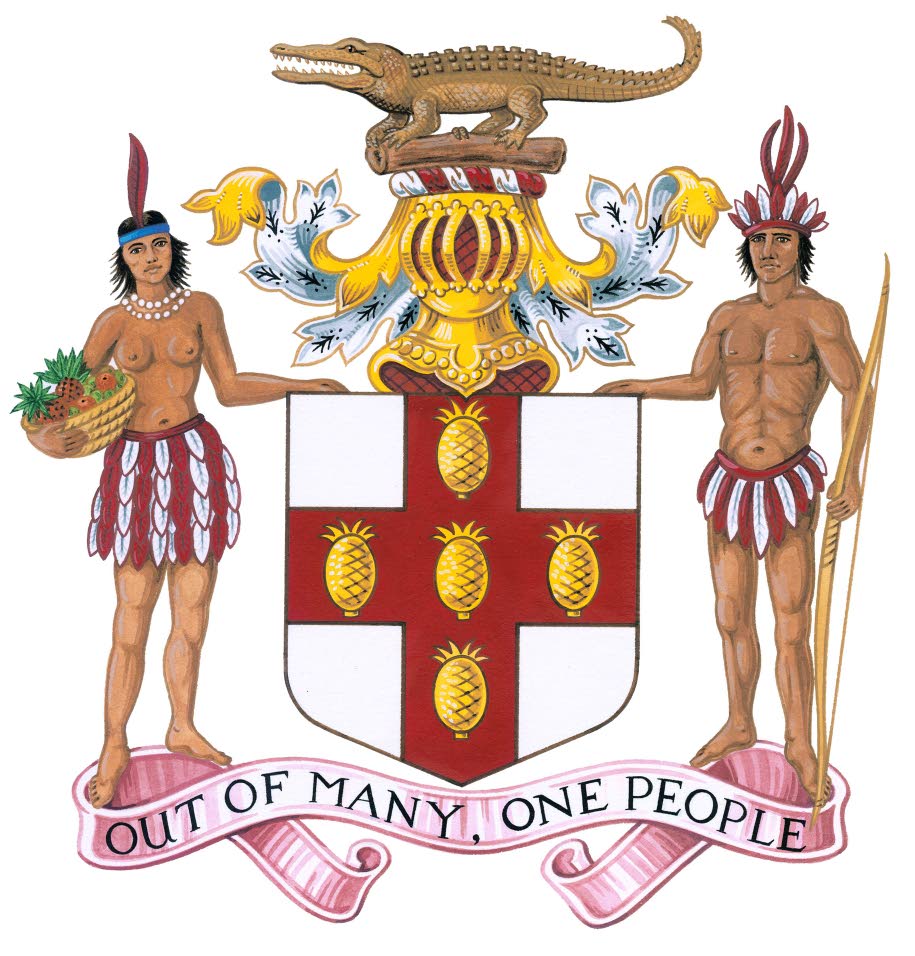
Jamaica’s coat of arms
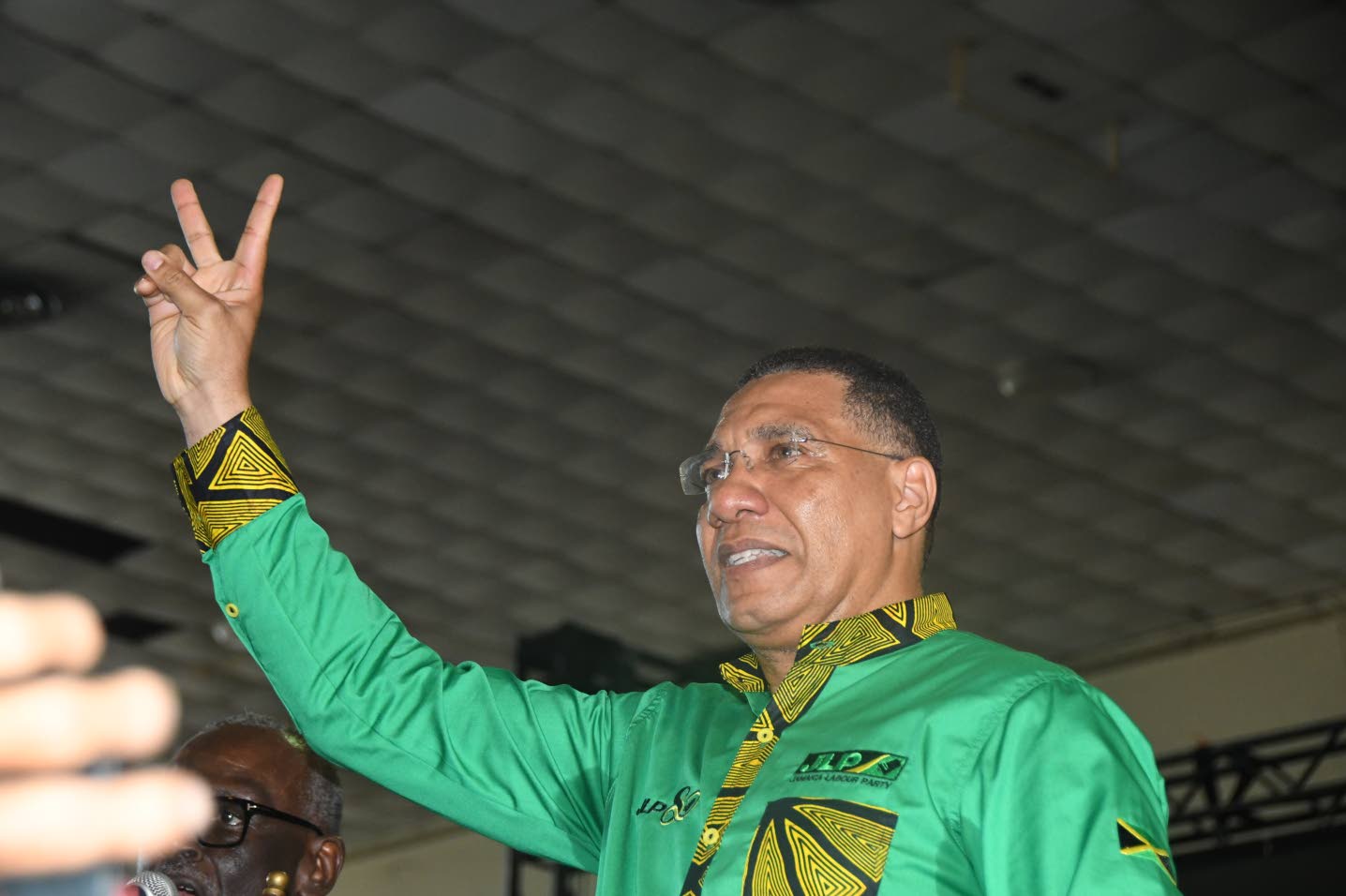
Dr Andrew Holness
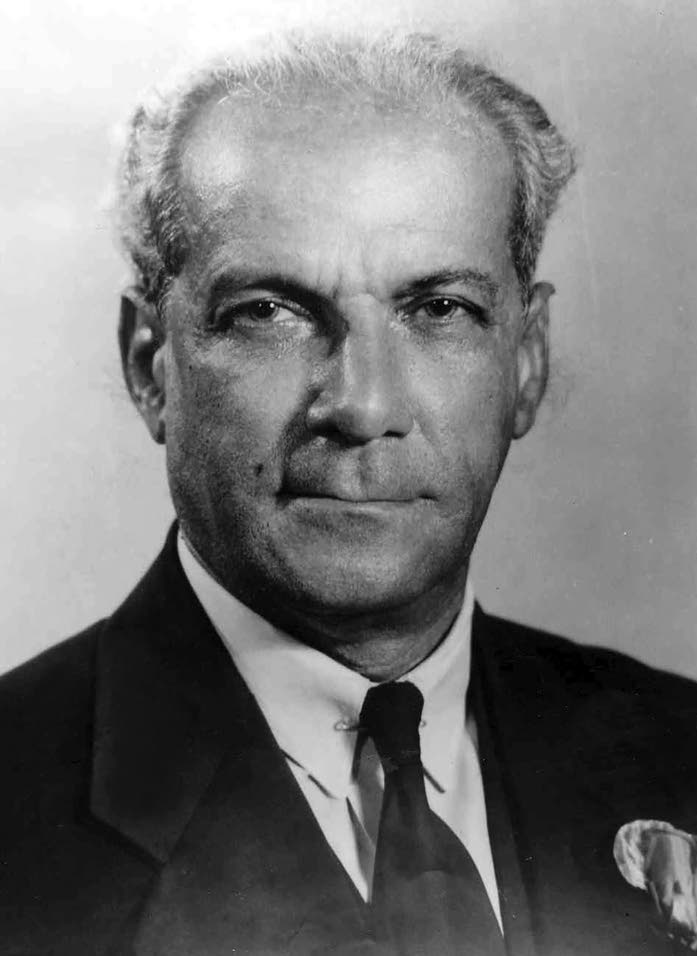
Norman Manley
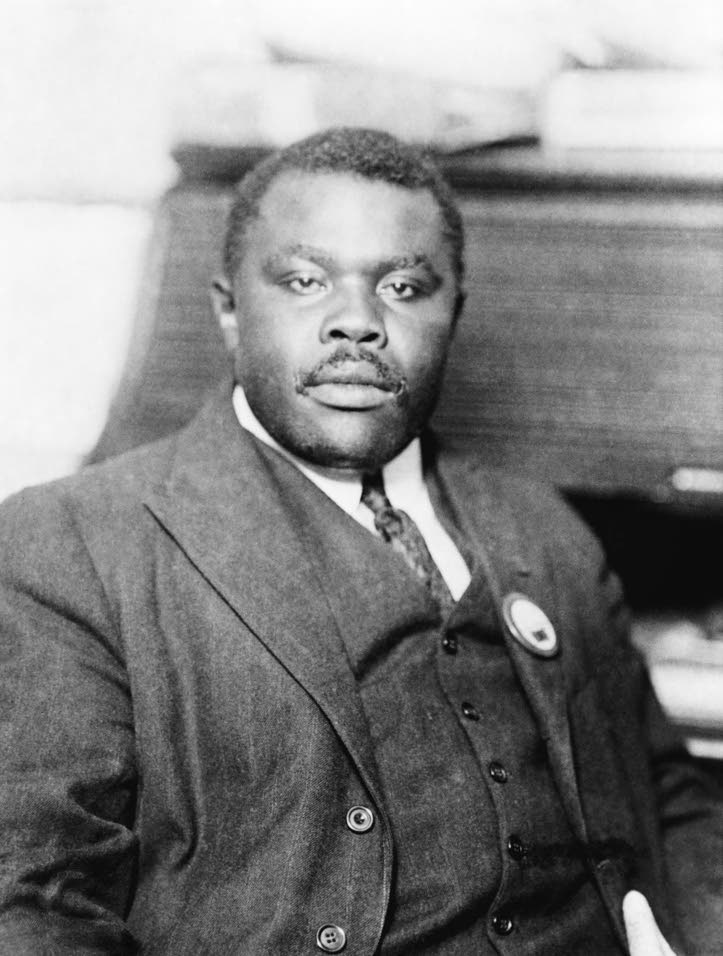
Marcus Garvey
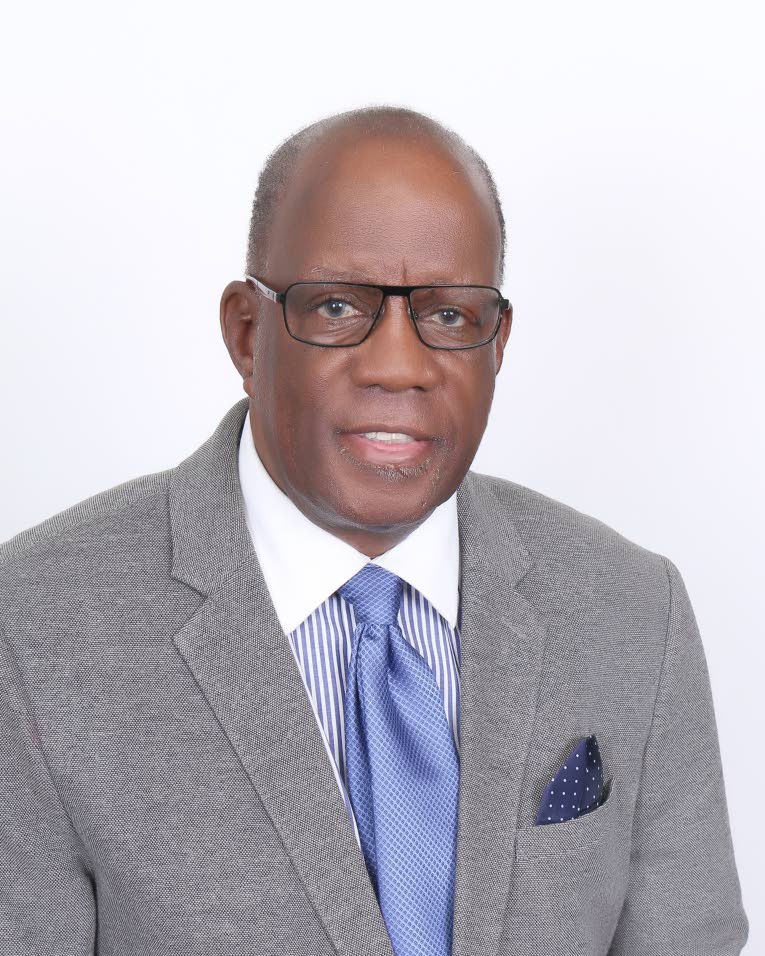
Henley Morganl


