



The Newest Wine Releases for Summer
The annual release of Argentina’s newest wines is more than an industry update; it is a celebration of time, terrain, and triumph. For those who collect wine not just as a beverage but as a bearer of legacy, the moment of release represents a culmination of years of patient tending, nuanced winemaking, and a fierce devotion to terroir. It is a time when wine cellars across the country stir with life and tasting rooms are suddenly a buzz of activity in anticipation of “La Nueva Cosecha”: the new harvest. This is the moment when bottles from the 2022 to 2024 harvests finally emerge from the shadows of barrel and bottle aging, bringing flavour that embodies the heartbeat of the land.
Be it Gualtallary’s altitude, Luján de Cuyo’s heritage or Cafayate’s sun-soaked silence, these are more than wines, they are experiences to discover, to indulge in and to savour. The release of the country’s newest wines is a confluence of nature’s timing, human artistry, and terroir-driven expression. And for the discerning collector or wine enthusiast with an appetite for provenance, this is really when the story begins. In fact, many of these newly released varietals will undoubtedly go on to attain global recognition when the 2026 awards season unfolds.
For decades, wine’s ‘Old World’ European regions, governed by rigid classification systems, have long dictated the seasonal rhythm of wine. In contrast, Argentina, increasingly at the vanguard of ‘New World’ excellence, has cultivated a distinctly Southern Hemisphere release cadence. The country’s wine release calendar offers flexibility and responsiveness that is shaped by altitude, vintage conditions, as well as winemaker philosophy. Understanding this rhythm is essential for those who seek not only the finest bottles but also the right moment to acquire them.
Harvest season in Argentina can begin as early as late January but typically runs from February through April, depending on elevation and varietal. In Salta, for example, where vineyards reach dizzying heights above 2,000 metres, harvest starts sooner than in southern Patagonia or the cooler enclaves of the Uco Valley. Once the fruit is picked, pressed, and fermented, the journey of aging, whether in stainless steel, concrete eggs, or French oak, determines the release. White wines, such as Torrontés, Chardonnay, and Sauvignon Blanc, tend to reach the market within six to 10 months, typically appearing between October and December, with some earlier bottlings landing at the start of spring in September.
Red wines, especially those destined for premium or reserve labels, follow a longer arc so Malbec, Cabernet Franc, Bonarda, and blends are often released 12 to 24 months after harvest, depending on barrel aging and bottle maturation protocols. Key release periods span March through September, aligning with Argentina’s autumn, winter and early spring. Some single-vineyard wines are late-year releases, making their debut around September through November, timed to coincide with the Argentine springtime and global holiday gifting season. Timing your acquisitions based on this cycle allows not only optimal enjoyment but also potential access to pre-release allocations and investment-worthy vintages before they reach peak demand.
With that in mind, Thursday Food asked Anetza Concierge to curate a list of labels you should get acquainted with:
Lalalá Chenin Blanc 2023 is a 100 per cent varietal that is produced by Lalalá Wines from 45-year-old vineyards in Luján de Cuyo, Mendoza. This organic wine exhibits a fresh and smooth personality, presenting a light colour with green and steely reflections. Its nose reveals delicate aromatic notes of chamomile flowers, citrus fruits such as lime, and the subtle presence of white peaches. The entry into the mouth is noticeably fresh, with a pleasant aftertaste reminiscent of melon and lime. It stands out for its great length on the palate, good medium volume, and culminates with a fresh, sharp, citrusy, and crisp finish.
Inconsciente Merlot Rosé 2024 is produced in Tupungato Mendoza by Finca Sophenia from 100 per cent Merlot grapes grown 1,200 metres above sea level. Bright pink colour with a 12.6 per cent alcoholic volume, this wine expresses aromas of red fruits such as strawberries and cherries. On the palate, its acidity marks the passage of time, with a juicy aftertaste reminiscent of plums.
Amalaya Liviano 2024 is made from 50 per cent Torrontés grapes and 50 per cent Riesling grapes grown 1,800 metres above sea level by Bodega Amalaya in Salta. With a bright, almost transparent greenish colour, this wine exhibits subtle and complex fruity aromas, especially green apple along with spicy notes. In the mouth, it has a fresh entry with soft, lingering notes along with mineral notes and a biting acidity that stands out.
Buscado Vivo o Muerto Parcela El Amparo Nature is a ‘blanc de noir’ espumante, made using the traditional method, by Buscado Vivo o Muerto Wines from vineyards located in Uco Valley, Mendoza. Produced from 100 per cent Pinot Noir grapes, this wine has complex aromas that range from red fruit to bread notes. Fresh on the palate, it has a sharp acidity as well as bubbles that are fine and persistent.
For those with discerning taste, accessing Argentina’s newest wines isn’t as simple as walking into a retail shop. These releases, particularly the premium tiers, are often distributed through private allocations, exclusive wine clubs, or concierge networks connected to the wineries themselves. Just imagine yourself in an architect-designed tasting room, sipping the very latest vintages, while the winemaker narrates the soil profile beneath your feet.
As curators of bespoke experiences, introducing you to moments where wine transcends consumption and becomes treasured memory, Anetza Concierge stands ready to curate your next memorable wine adventure in the land of Malbec. Salud!

.

Amalaya Liviano 2024 (Photo by Bodega Amalaya)
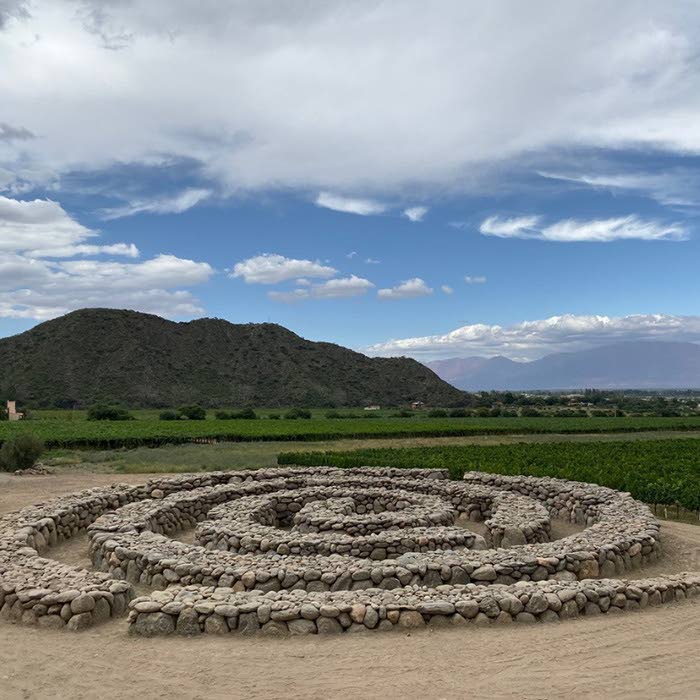
Amalaya Spiral at Bodega Amalaya is synonymous with sustainability and represents the sun, moon, earth & water. It also serves as its logo. (Photo by Bodega Amalaya)
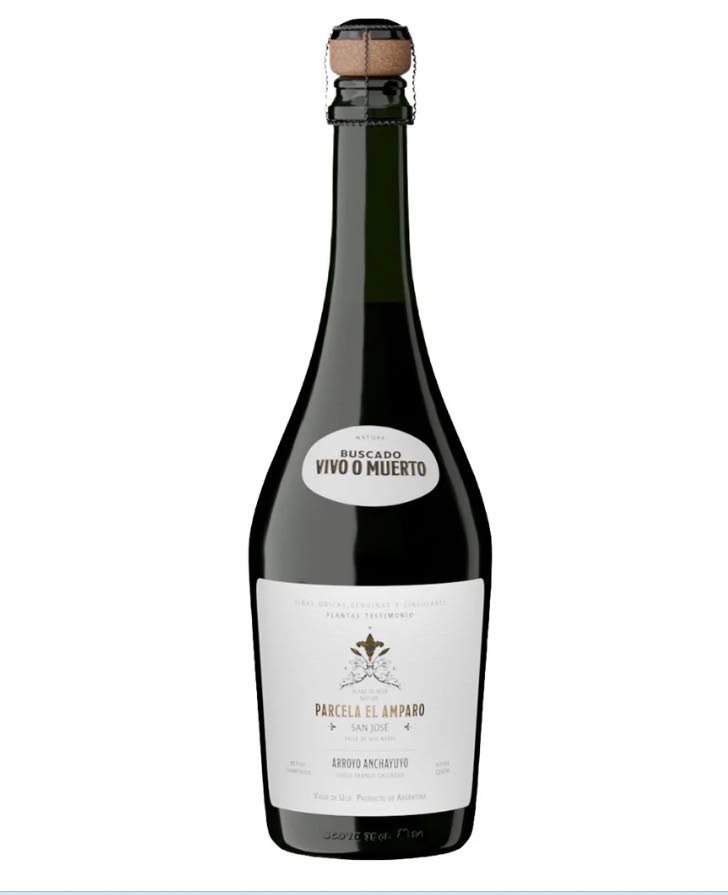
Buscado Vivo o Muerto Parcela El Amparo Nature Buscado Vivo o Muerto Wines)

Finca Sophenia’s breathtaking views at winter (Photo via Finca Sophenia Instagam)
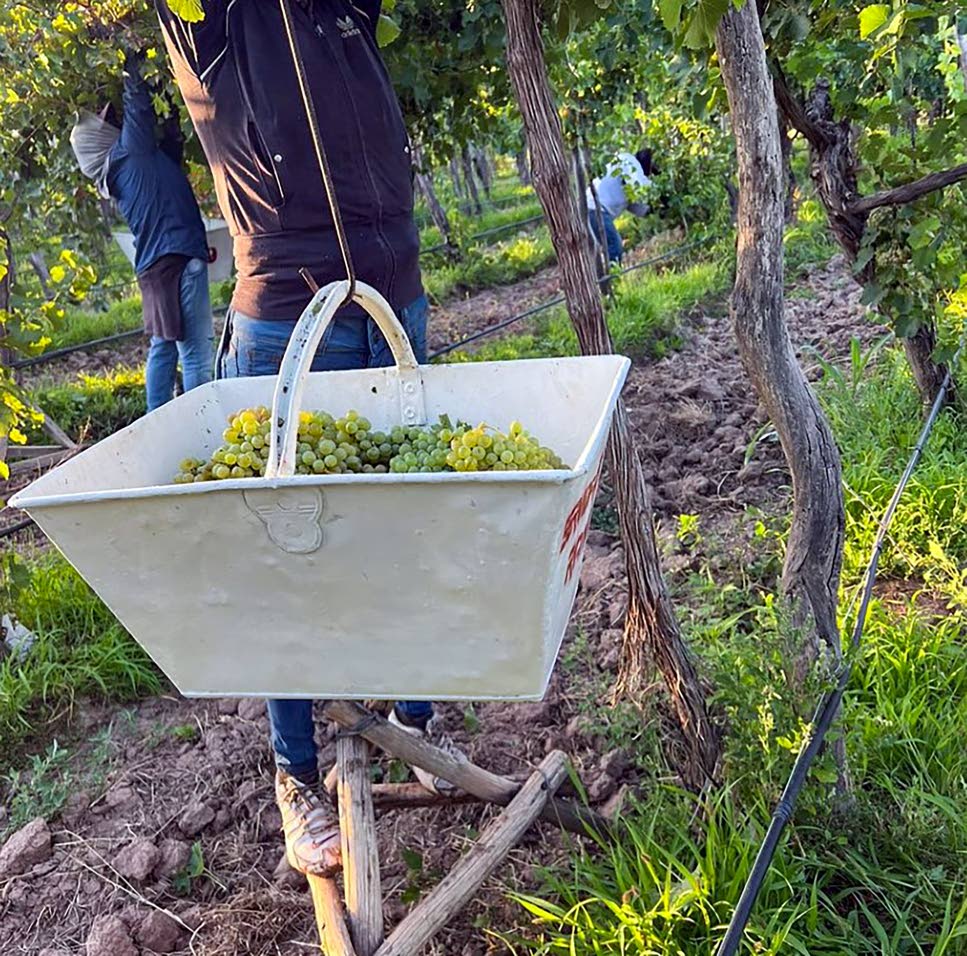
Freshly harvested, organically grown Chenin Blanc grapes (Photo by Lala Lá Wines)
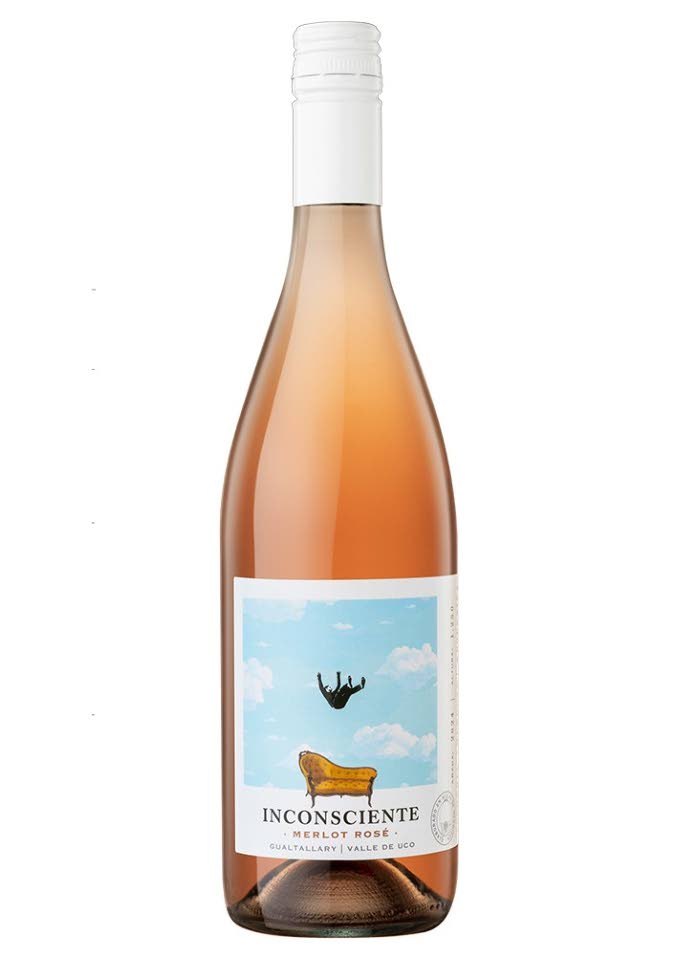
Inconsciente Merlot Rosé (PHOTO BY FINCA SOPHENIA)
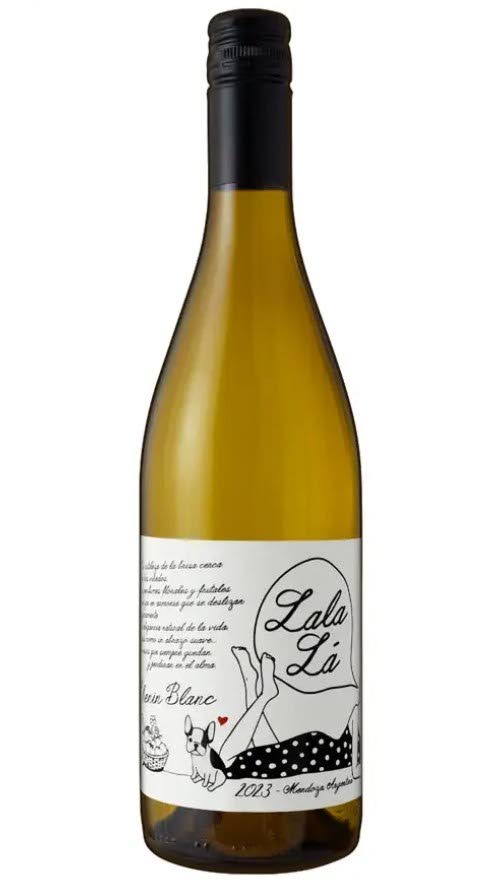
Lalalá Chenin Blanc 2023 (Photo by Lala Lá Wines)
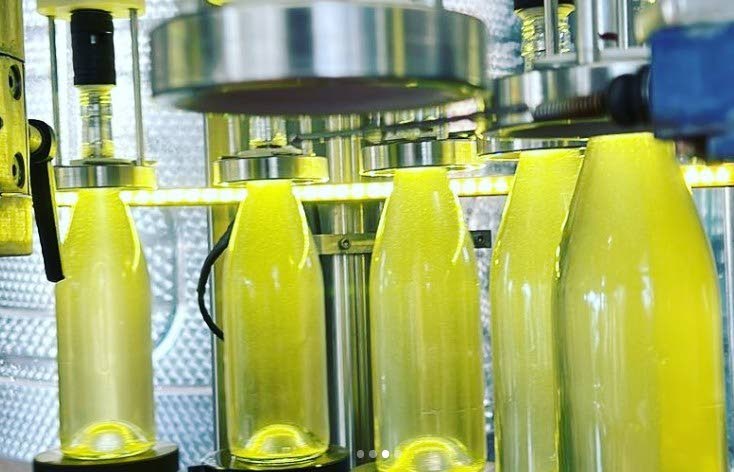
Lalalá Chenin Blanc 2023 being bottled ahead of its market release.
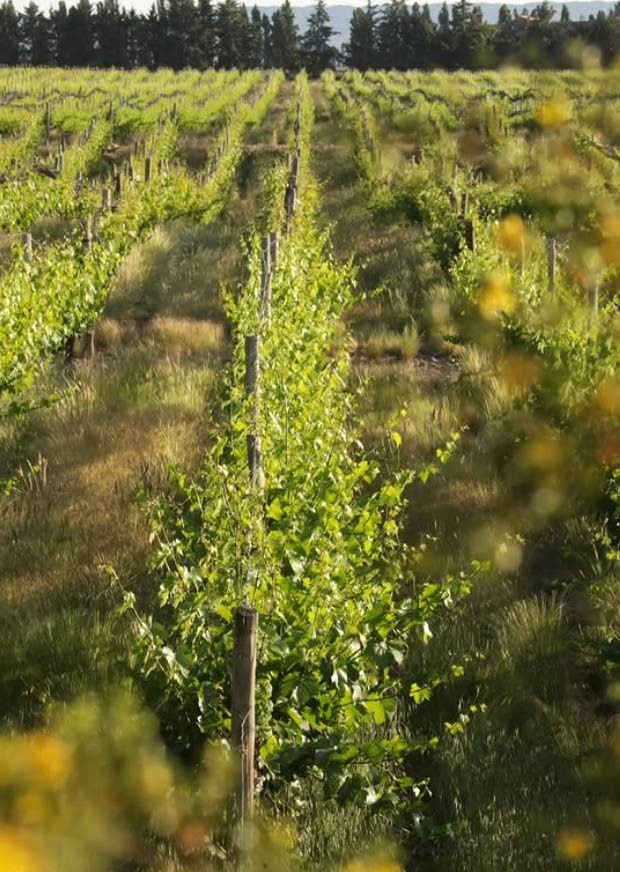
The lush green vines of Finca Sophenia (Photo by Finca Sophenia)
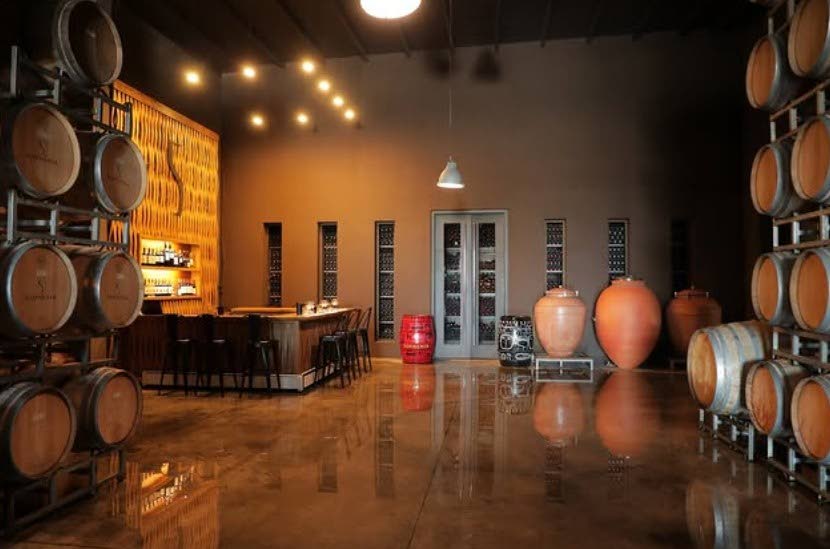
The wine bar at Finca Sophenia is located in the barrel room at the winery. (Photo by Finca Sophenia)


