



The grind behind the glory
Jamaican CEOs open up about the cost, courage, and complexity of going global
Seprod CEO Richard Pandohie isn’t shy about laying out the reality. Building a global business from a small island demands more than ambition; it comes with steep, often invisible costs.
From multimillion-dollar upgrades to logistical battles and policy gaps, Pandohie made it clear that the path to global competitiveness, especially for local manufacturing companies, is riddled with friction. But company heads are pushing through.
“The biggest hurdle is infrastructure — not just physical, but systemic. For Jamaica to truly become a competitive hub for high-quality, cost competitive production, the entire ecosystem around production needs to be strong,” he told the Jamaica Observer in an exclusive interview.
For decades, Jamaica has been defined as an island of importers — bringing in everything from raw materials to finished goods. But a shift is underway. More local companies are now exporting brands, not just products, to the world — challenging the narrative of small-island limitations and rewriting what it means to be globally competitive.
Seprod’s global push offers a case study in operational transformation.
The company’s US$13-million retooling of its Caribbean Products Company Limited plant in Kingston for the Flora margarine contract — under global parent company Upfield — included automation upgrades, new cold storage, and renewable energy systems.
“But none of that works without people. Seventy-five per cent of our staff now have tertiary education. That was deliberate.” Pandohie said. “…While the headline is about manufacturing for the largest margarine company in the world, the real story is about transformation — of people, systems, and ambition.”
Prior to Seprod winning the contract, the popular consumer brands, which includes Blue Band, Golden Ray, Cookeen, I Can’t Believe It’s Not Butter, Flora and Imperial were being produced in Trinidad and Tobago.
Still, the biggest burdens for many local manufacturers lie outside the factory gates.
“Port congestion is a nightmare… Ships are now regularly bypassing the port and offloading critical containers of raw materials at other ports, which has significantly increased our lead time,” he said. “Currently we’re carrying 20 per cent more inventory — an extra $400 million monthly — just to stay ahead of port delays…and we’ll spend more than US$2 million this year on demurrage alone.”
Over the years, many manufacturers have flagged logistics issues, container shortages, and bureaucratic red tape as persistent hurdles. There have been repeated calls by company heads for improved infrastructure, more efficient trade facilitation, and policies that actively support local producers. Just last month, it was announced that Jamaica is set to become the largest and fastest-growing transshipment hub in the Caribbean with a US$80-million expansion of operations at the Kingston Freeport Terminal (KFTL). The Westlands Expansion Project, a collaboration between the Port Authority of Jamaica, the KFTL, and CMA Terminal Holdings, will add 15 hectares to the port, aiming to decrease congestion and increase cargo capacity by 25 per cent.
For Jamaican brands expanding overseas, the challenges aren’t necessarily the same; but it doesn’t take away from the heavy behind-the-scenes work required to go global.
“It’s definitely a mix of pride, pressure, and purpose,” CEO of Juici Patties USA Daniel Chin said while reflecting on seeing the brand — once a roadside shop in Clarendon — now crossing borders. “There’s pride in our roots, pressure to uphold the trust Jamaicans place in us, and purpose — to prove that a small island brand can operate globally without losing its soul.”
That purpose is tested daily.
Juici manufactures its patties in the United States but still exports spices from Jamaica to maintain flavour authenticity. “The spicy beef patty in the US is identical to the one in Jamaica. That’s non-negotiable. The hands may be local, but the soul of each patty still comes from Jamaica,” Chin told the BusinessWeek.
The company also introduced a mild beef patty — a product that doesn’t exist in the Jamaican market — for customers unaccustomed to spice.
Even with the recipe unchanged, the business model had to evolve.
“The key shift was realising we had to think like a global company, without waiting for validation from abroad. That meant investing in systems, franchising software, data analytics, and people who could help us scale,” Chin said. “We stopped seeing ourselves as ‘just a Jamaican brand’ and started acting like a global one that happens to be proudly Jamaican.”
What surprised him most? “The reception. Whether it’s diaspora or someone trying a patty for the first time, the connection to the product has been incredible.”
But scaling it? “That’s been the real work,” he said.
Success in the US, he added, requires strong logistics partnerships, training protocols, and franchisees who believe in the mission and are willing to do the work.
“Each market has its own challenges, but the Northeast US — places like New York — has been both incredibly promising and incredibly competitive. Rent is high, construction costs are around 40 per cent higher, and the customer base is diverse and demanding. But that also makes success there that much more meaningful,” he said.
Conglomerate GraceKennedy, one of the region’s most established brands, has long embraced the global stage; but even legacy players must evolve.
“Global expansion is not just about exporting products — it’s about building trust and delivering consistent value to consumers over time. It takes long-term commitment,” said Group CEO Frank James.
Headquartered in Jamaica, GraceKennedy now operates in Belize, Guyana, Canada, the US, and the United Kingdom. James believes authenticity remains a strategic asset regardless of geography.
“What sets us apart is our authenticity and our ability to deeply connect with diverse markets, while staying true to our roots. We have confidence in our ability to create value.”
He continued: “Our 103-year legacy is a source of strength. But we stay agile by investing in technology, empowering teams, and cultivating a culture of continuous improvement.”
Still, confidence alone doesn’t offset structural inefficiencies at home. While Jamaica’s manufacturing costs are high, Pandohie said the country’s location within Caricom provides some relief — namely, exemption from extra-regional duties and geographic proximity to major markets.
“But those benefits alone aren’t enough,” he argued. “Jamaica’s recent growth pillars have been built on services, tourism, and construction. Manufacturing — especially agro-processing — still hasn’t earned the full buy-in of our leaders, despite all the evidence showing that a strong manufacturing base drives innovation, builds a higher-value workforce, and ultimately creates a stronger middle class.”
Today, manufacturing contributes just 7.75 per cent of GDP, down from 13.5 per cent in the 1990s.
Pandohie believes the time has come for a national pivot.
“Jamaica’s recent growth pillars have been built on the service sector, tourism, and construction. Manufacturing, which includes agro-processing, does not appear to have captured the buy-in of our leaders, despite all the evidence showing that a strong manufacturing base drives innovation, brings a higher value workforce and ultimately builds a larger and stronger middle class.” Pandohie said.
“That said, there are positive signs. Other large Jamaican firms like Wisynco and GraceKennedy are investing. What’s missing is a deeper push from and for small and medium-sized enterprises, and a unified national strategy that embraces manufacturing as a core growth pillar,” the CEO continued.
The country’s trade imbalance amplifies the urgency. According to Statin, Jamaica spent US$1.89 billion on imports between January and March 2025 — a 1.6 per cent rise over the previous year. Meanwhile, export revenues declined by 1.9 per cent, falling to US$485.2 million — driven primarily by a steep 34.8 per cent drop in mineral fuel exports.
While there were bright spots — exports to Caricom and the European Union rose by 26.3 and 40.6 per cent, respectively — the overall picture shows that Jamaica continues to spend far more on imports than it earns from exports. Much of that import growth came from consumer goods and intermediate raw materials — two categories where stronger local production could change the tide.
“There’s room for cautious optimism,” Pandohie said. “Seprod’s deal with Flora is a signal of what’s possible when Jamaican businesses commit to transformation. But we won’t win on scale alone. We have to win on quality, on brand, on trust. ‘Made in Jamaica’ needs to become a premium label — like reggae, like Bolt.”
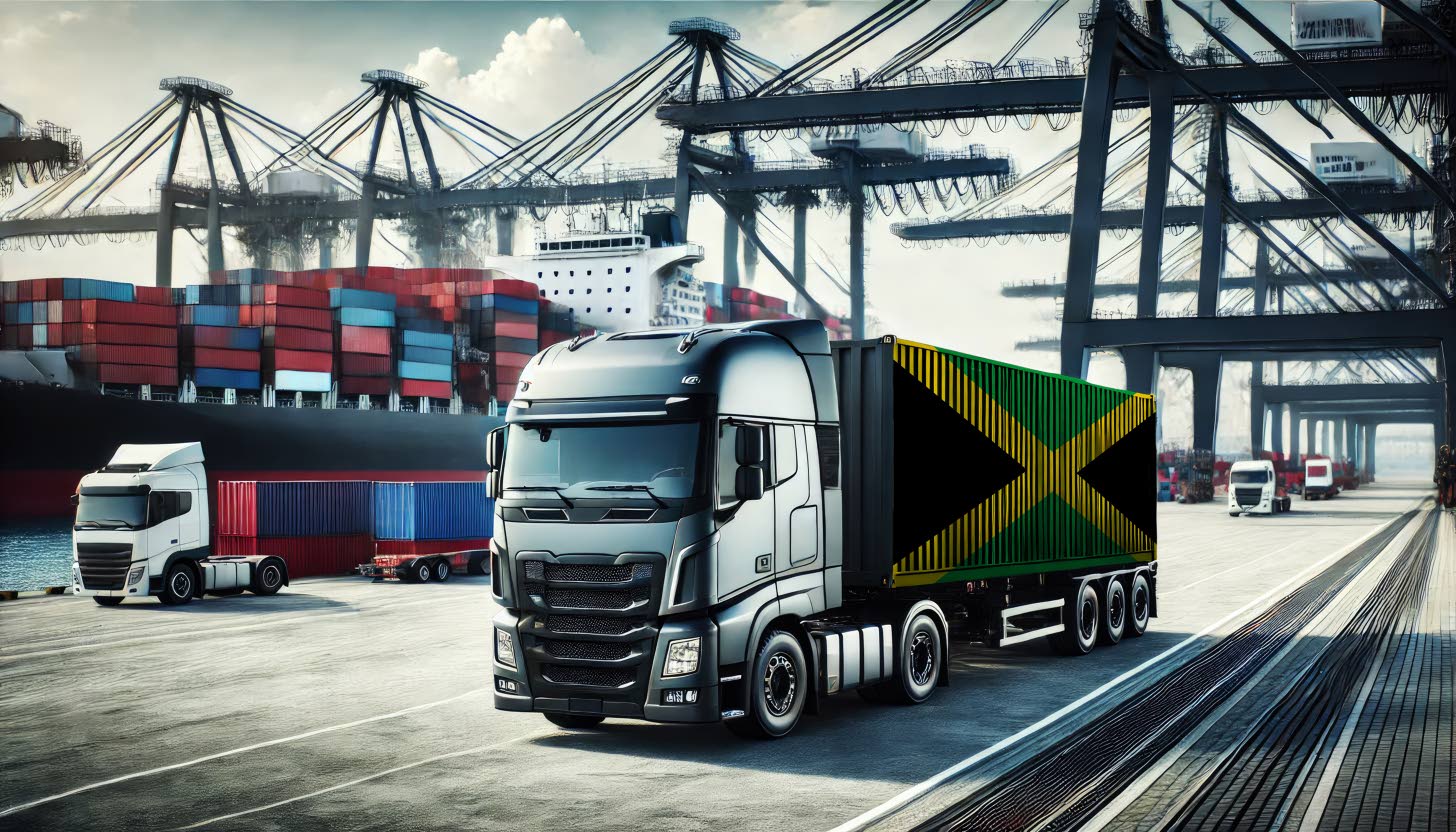
Port delays and rising demurrage costs are part of the uphill battle Jamaican manufacturers like Sepord face as they try to hold their ground in global markets.

PANDOHIE…While the headline is about manufacturing for the largest margarine company in the world, the real story is about transformation — of people, systems, and ambition.
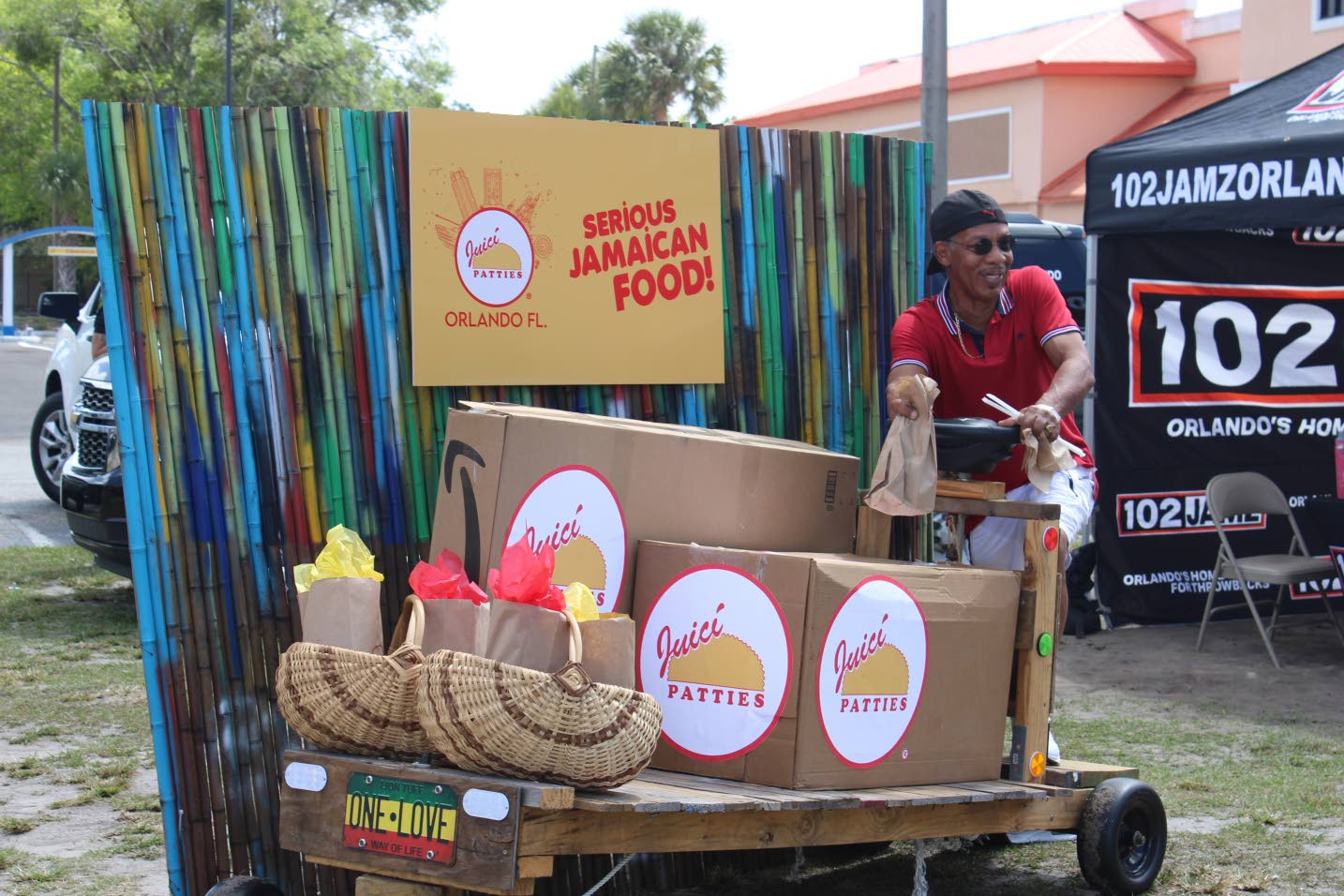
A customer captured at the Orlando, Florida launch of Juici Patties, part of the brand’s bold expansion into the US market. CEO Daniel Chin says the reception has been heartening, but scaling operations has demanded rigorous training, tailored franchise systems and robust logistics built from the ground up.

JAMES…Global expansion is not just about exporting products — it’s about building trust and delivering consistent value to consumers over time. It takes long-term commitment.


