



Your vote is your leverage
As the citizens of Jamaica prepare for the upcoming general election on September 3, 2025, I find myself asking: What exactly am I voting for?
Voting, to me, has always felt like a gamble. While the educated look for concrete policy changes that will improve our nation socially and economically, many of the uneducated focus on political noise or blindly follow family and community voting traditions. Sadly, the uneducated outnumber the educated, and this cycle keeps repeating.
Despite the popular belief that, “Your vote is your voice,” experience tells me that once many politicians gain power, their promises vanish and that voice is silenced. It feels like a toxic, abusive relationship in which we keep returning to the abuser, hoping this time will be different.
It is time for us to put Jamaica first, not party colours. Political strongholds must end, and no community should be labelled as “this party’s” or “that party’s” territory; instead, we must demand from politicians exactly what we need, not passively accept what they choose to give us.
So, Jamaicans, ask yourselves: Under each party, how have your living conditions, wages, purchasing power, and utility bills changed? If promises are kept, how will they specifically improve your life in six, 12, or 24 months? Because no matter who wins, politicians will eat well and provide for their families without issue, while too many citizens are left with crumbs.
We must also remember the bigger picture. The early pandemic wiped out years of poverty reduction as tourism collapsed, and the World Bank estimates poverty spiked in 2020. Recovery is happening, but it is fragile. Add the devastation of Hurricane Beryl and Tropical Storm Raphael to agriculture and infrastructure, and it becomes clear that resilience and inclusive growth must be front and centre this election.
Here is the test we should apply to every party, every candidate, and every manifesto:
1) What concrete steps will you take to keep inflation within the Bank of Jamaica’s 4-6 per cent target while lowering the cost of living (food, transport, energy)? Vague reassurances will not do; we need credible, long-term solutions.
2) What is your plan to raise real wages through productivity growth via skills training; micro, small, and medium-sized enterprises (MSME) financing; digital infrastructure; and reliable utilities so progress shows up in paycheques, not just economic reports?
3) After recent storms, what is your timeline and budget for climate-resilient roads, irrigation, and housing? How will you stabilise food prices through better storage, logistics, and farm-to-market reforms?
4) Will you continue Jamaica’s debt-reduction path without sacrificing social investments that lift families out of poverty? Show the numbers. Independent monitoring and fiscal rules must remain non-negotiable.
5) How will you ensure delivery, not just announcements? Tie ministers’ key performance indicators to measurable outcomes: inflation within target, poverty down, school attendance up, wait times down, etc. Publish progress dashboards. Legislate consequences for failure.
The old politics says, “Vote tradition!” But tradition does not pay the Jamaica Public Service Company bill, fill a child’s school lunch pan, or fix a washed-out road. The new politics says no more strongholds, no more safe seats. Every Member of Parliament should have to earn every vote, every election, by results.
Your vote is not just your voice, it is your leverage. Use it to make this election a referendum on the cost of living, real wages, climate resilience, and accountability. If we do that, five years from now we will not only have strong macroeconomic numbers, but Jamaican households will truly feel the difference in their everyday lives.
clever2g@yahoo.com
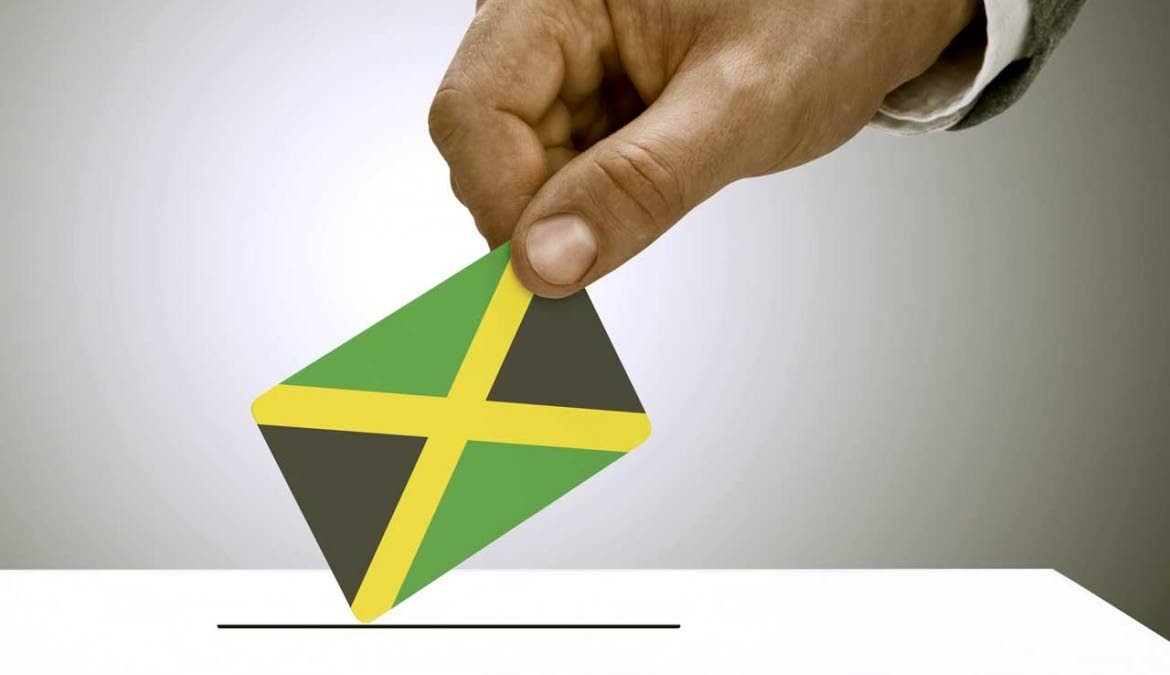
It’s time for the electorate to put Jamaica first, not party colours.


