



Silent sirens of distress
Jamaica’s first responders — our police officers, firefighters, and soldiers — are the guardians of peace and safety. They heroically place themselves in the line of danger to protect our nation from chaos.
These brave men and women risk their lives daily and confront perilous situations with courage and dedication to ensure the security and well-being of every Jamaican citizen. Yet beneath the valour and resilience lies a growing mental health crisis, manifesting in tragic incidents that signal a silent siren for immediate attention.
Alarming Incidents
Two events have brought to light the troubling situation of the mental health struggles faced by these professionals. On January 6, 2025, a former firefighter ascended the Half-Way-Tree Transport Centre, threatening to end his life. This distressing event echoes a similar incident nearly two years prior, when Sergeant Leo Bennett protested atop the same structure, citing mistreatment within the Jamaica Fire Brigade (JFB).
The article ‘Sergeant says lack of support from JFB led to ex-firefighter meltdown’, published in the Jamaica Observer on January 7, 2025, confirms that systemic issues within the brigade have left many firefighters feeling abandoned and unsupported. These high-profile incidents are harrowing reminders of the immense pressures first responders face, with limited avenues for relief.
The crisis extends beyond firefighters. The Jamaica Defence Force (JDF) and Jamaica Constabulary Force (JCF) have also borne the weight of tragedy. On July 30, 2024, Corporal Sekou Smith of the JDF was found dead along the Palisadoes main road in Kingston, with initial reports suggesting death by suicide.
Further, in January 2023, senior communications strategist at the JCF, Dennis Brooks, published a report on its website highlighting a worrying increase in death by suicide among police officers. He cited over 27 reported deaths by suicide between November 2022 and January 2023 and 173 recorded cases between January 2020 and the end of January 2023. These alarming figures underscore the urgent need to address the mental health crisis and implement robust support systems for first responders.
These incidents are not isolated; they are the visible tip of an iceberg shaped by systemic challenges, unrelenting stress, and insufficient support mechanisms. The metaphorical “pressure cooker” environment in which stakes are perpetually high can lead to mental and emotional strain. Aren’t these events enough to prompt action?
The Imperative of Psychological Safety
When Harvard Professor Amy Edmonson began her pioneering research into psychological safety in the early 1990s, she envisioned a workplace culture where individuals could speak up, take risks, and innovate without fear. Today, Edmonson’s insights remain more relevant than ever as organisations grapple with the complexities of high-stress environments.
Further, the January 8, 2025 Observer article titled ‘How psychologically safe are you at work?’ by Dr Shalieka Burris underscores the vital importance of psychological safety in Jamaican workplaces. For first responders, this concept often remains more idealistic than practical.
Psychological safety is the anchor upon which mental well-being in the workplace is built. It promotes an environment in which individuals can voice concerns, admit mistakes, and seek help without fear of judgment. In high-stakes professions, this safety net is crucial to prevent the escalation of mental health issues. Yet, for many in Jamaica’s high-stress professions, fear and stigma overshadow the freedom to be vulnerable.
The Missing Link to Psychological Safety
One of the contributing factors to this crisis is the cultural stigma surrounding mental health in Jamaica. There exists a pervasive expectation of unwavering resilience, discouraging individuals from expressing vulnerability.
This mindset, while rooted in cultural pride, often serves as a double-edged sword, preventing first responders from seeking help for fear of being perceived as weak. The absence of robust mental health resources compounds this issue, leaving many to navigate their struggles alone, like lone sailors in a storm without a compass.
The lack of psychological safety in these environments exacerbates the problem. In workplaces where voicing emotional distress is met with scepticism or retribution, silence becomes the default coping mechanism. This silence, however, is anything but golden; it’s a slow poison, eroding the mental well-being of individuals tasked with safeguarding others.
Leadership’s Role in Cultivating a Supportive Environment
Leaders within these organisations hold the key to reversing this troubling trend. They must prioritise cultivating an environment in which psychological safety thrives. Promoting open dialogue about mental health can dismantle the barriers of stigma, allowing employees to voice their struggles without fear.
Implementing accessible mental health programmes, such as counselling services and stress management workshops, can serve as lifelines for those grappling with emotional turmoil. Additionally, training in emotional intelligence equips leaders to approach these issues with empathy and understanding, creating a workplace culture that values humanity over stoicism.
Redefining Resilience
Beyond workplace initiatives, there is a pressing need for a societal shift in how resilience is defined. True resilience is not the absence of vulnerability but the courage to confront it head-on and seek support.
Creating a safe space where expressing emotional turmoil is seen as a strength rather than a weakness is essential. This is particularly critical for men, who often face cultural pressures to suppress their emotions. Public awareness campaigns can play a pivotal role in reshaping these narratives, while community support systems can provide the necessary scaffolding for those in crisis.
Dr Christopher Tufton, minister of health and wellness, in response to a firefighter protest in March 2023, emphasised the need for greater compassion and support to break the stigma surrounding mental illness. He has called on community members to show greater support and care for people with mental health challenges, arguing that a more caring approach will break down the stigma and discrimination surrounding mental illness and encourage more people to seek help when they need it and not feel fearful or ashamed.
A Call to Action
The mental health crisis among Jamaica’s first responders is a clarion call for action. By addressing workplace environments, enhancing support systems, and shifting cultural mindsets, we can begin to extinguish the silent sirens of distress echoing through our nation’s heroes. The question of how psychologically safe we are at work is not just a discussion among academics, it’s a matter of life and death.
By acting decisively, we can begin to extinguish the silent sirens of distress echoing through our nation’s heroes, ensuring that those who protect us are themselves protected.
Dr Tashieka Burris-Melville is a leadership and academic literacies educator in the Faculty of Education and Liberal Studies at the University of Technology, Jamaica. She has expertis
e in team development, collaborative leadership, emotional intelligence, and writing in higher education.
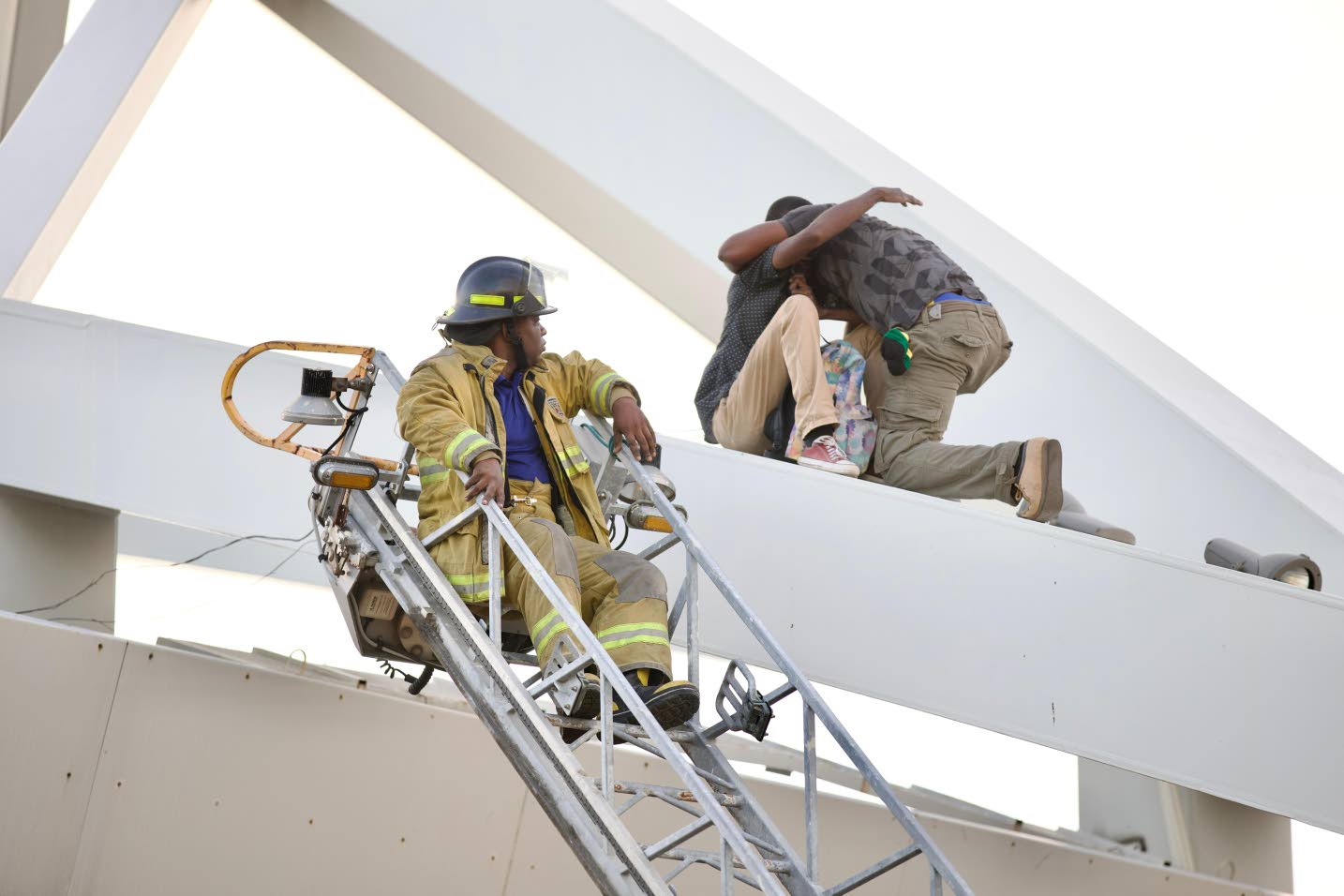
Corporal Leo Bennett hugs former firefighter Shadane Gentles atop Half-Way-Tree Transport Centre on Monday, January 6, 2025. Gentles had climbed the structure, replicating Bennett’s action in 2023. Bennett eventually got Gentles to climb down to safety. (Ramon Thompson)
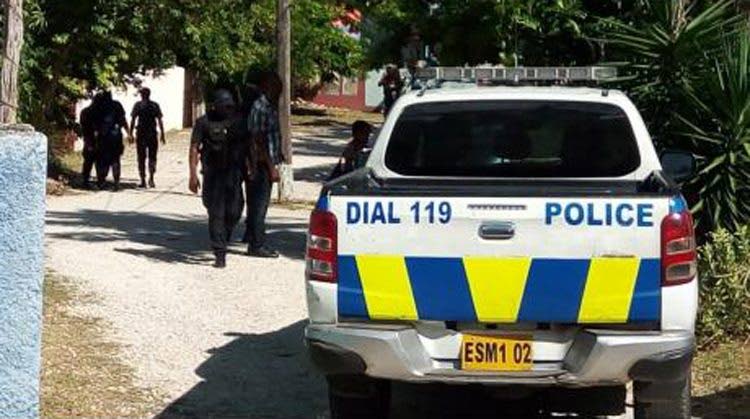
Silence due to fear of stigma is a slow poison eroding the mental well-being of individuals tasked with safeguarding others.
Tashieka Burris-Melville


