



GET ON BOARD!
Economist urges Government to appreciate value of cricket
With a Caribbean Premier League (CPL) franchise likely to return to Jamaica next year, economist Keenan Falconer believes the Government needs to invest more in cricket because of its significant benefits to the economy.
As reported by the Jamaica Observer on August 5, the CPL is in advanced negotiations with potential owners for the Jamaican franchise with CEO Pete Russell saying that a 2026 return to the T20 tournament “is a realistic target.”
The island has been without a team for two years after the owners of the Tallawahs sold the team back to the CPL and moved to Antigua and Barbados, the current home of the Falcons. Owner Kris Persaud cited a lack of government support as one of the main reasons for the team’s departure but Sports Minister Olivia “Babsy” Grange defended the Government, saying “we did our best to give support to the Tallawahs.”
The Government also heavily criticism for not bidding to host matches in the 2024 ICC T20 World Cup, with Sports Minister Olivia “Babsy” Grange saying the cost outweighed the benefits. The host nations of the World Cup subsequently reaped over US$1 billion (J$158 billion) collectively for the month-long tournament following a report from the International Cricket Council (ICC).
In light of those issues, Falconer, who has held roles with various organisations including the International Monetary Fund (IMF), told the Observer that he isn’t convinced that the Government has done effective analysis when it comes to investing in cricket.
“With resources already being as stretched as they are now, I think cricket falls down the totem pole. They maybe think other sports are more profitable to invest or even if they aren’t profitable, from an image perspective — track and field and football where you have maybe a slightly greater chance of success, are worth pumping more money into,” he said.
“I don’t think the Government really sees the profitability behind it, yet we looked at the figures of the last T20 World Cup which were millions of US dollars across all territories and in just about everything you can think of — merchandising, food, beverage, accommodation and other aspect of tourism like entertainment. Cricket for all of its ups and downs still has a very loyal following in Jamaica and I think it would have done well, had we hosted it.”
The CPL, with the help of world-renowned researchers like SMG Insight and YouGov Sport, release the economic impact, both direct and indirect, that the tournament has on its competing countries. The figures are arrived at using organiser spend, visitor spend and media value.
During the 2024 staging, Antigua, which replaced Jamaica, saw their economy boosted by US$14 million ($2.2 billion). Trinidad and Tobago earned US$35.6 million ($5.6 billion), Barbados US$23.3 million ($3.63 billion), St Lucia US$22.4 million ($3.49 billion), and St Kitts & Nevis US$24.6 million ($3.84 billion). Though Guyana’s 2024 figures weren’t published, it’s reported to be over US$100 million ($16 billion) after earning a similar amount in 2023.
By comparison, Jamaica’s last recorded figure when hosting in 2016 was about US $11.1 million ($1.74 billion), while even without hosting in 2022 the country benefitted by US $31.8 million ($4.96 billion).
Falconer says the upside of a CPL team in Jamaica is too great for the Government to dismiss.
“The decision ought to be a no-brainer,” he said. “I think the Government underestimates cricket’s standing as a sport among loyal followers. It would have been well supported in my opinion and the results in the other territories are a testament to that.”
“Having it domiciled in Jamaica, apart from just matters of national pride, the benefits that will accrue from that. We’ve seen when matches are held in Jamaica, it’s well attended, people still retain some amount of interest in it, even though gate receipts are not maybe the most significant source of revenue for cricket but the interest that it generates is enough to justify supporting it in a sustainable, permanent way,” Falconer added.
It is believed that, for a Jamaican franchise to rejoin the CPL in the 2026 season, a decision on its return must be reached by the end of this year.
Economist Keenan Falconer
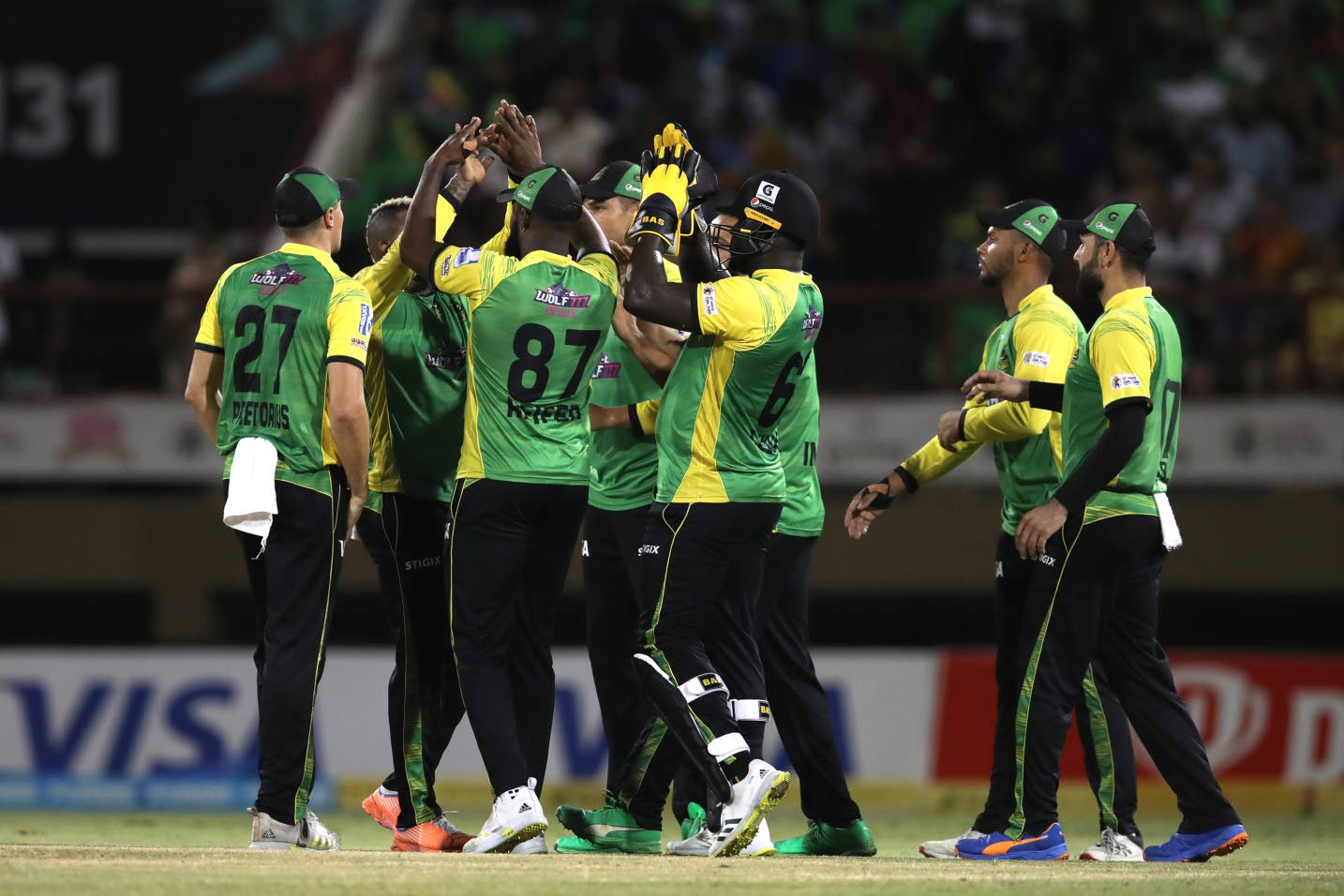
Jamaica Tallawahs players celebrate the wicket of Kyle Mayers of Barbados Royals during the Hero Caribbean Premier League final at Providence Stadium in Guyana on Friday. The Tallawahs went on to win the title by eight wickets. (Photo: CPL via Getty Images)
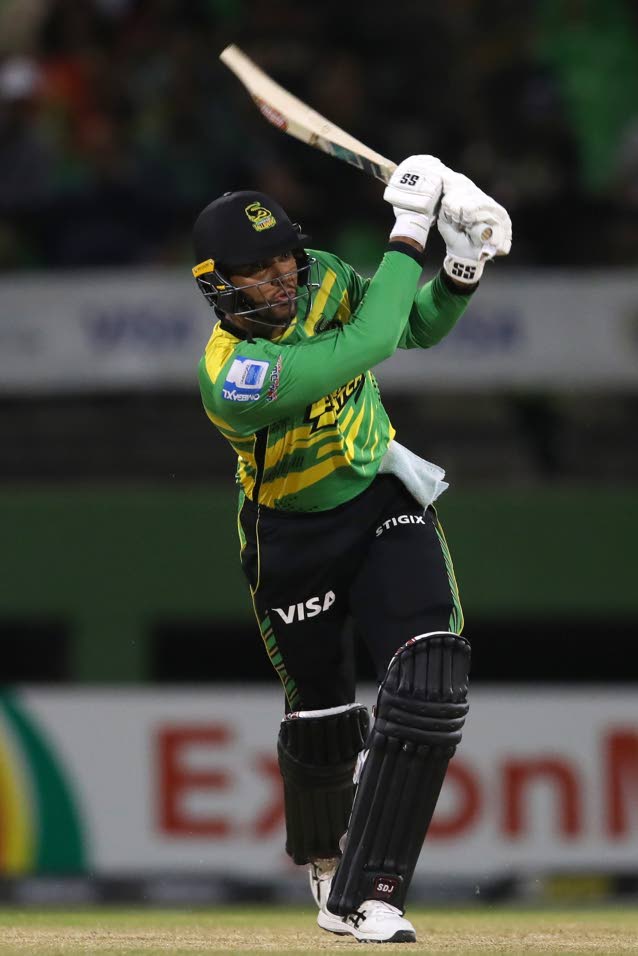
Brandon King of Jamaica Tallawahs hits six runs during the Republic Bank Caribbean Premier League T20 eliminator match against St Lucia Kings at Providence Stadium in Guyana, on September 19, 2023. (Photo: CPL via Getty Images)


