



Micro market progresses as steering committee builds out framework
…more members from small business community want seat at table
Plans to establish a micro market on the Jamaica Stock Exchange (JSE) have been gaining momentum, with a successful second meeting of the steering committee held on July 31, 2025.
This followed an inaugural meeting on June 12, where a diverse group of industry stakeholders convened to lay the groundwork for what will become the sixth index on the JSE.
Announced by the Government earlier this year, the micro market is being designed to provide equity financing for micro and small enterprises (MSEs). The first listing is projected for April 2026, with a goal of attracting at least 25 listings within the first two years. Companies listed on this market will be able to raise between $10 million and $49.9 million in capital. The initiative seeks to expand access to equity financing for MSEs — supporting their growth, innovation, and contribution to national development. The micro market will specifically target businesses that are not yet eligible for the junior market but demonstrate the potential and ambition to scale.
With members fully named and co-opted into five technical working subcommittees, the committee has tasked them with developing a tailored framework for the new market.
“Among the matters being drafted by the subcommittees are the micro market’s listing requirements (eligibility), market rules, capacity-building through mentorship and governance training, accounting, cost of capital, brokerage participation and policy enablers including tax incentives,” a recent communique from the JSE noted.
The 18-member committee now comprises prominent players from both private and public sectors. They include Marlene Street Forrest, managing director of the JSE, accompanied by other members of the JSE, including Steven Gooden, Neville Ellis, and Andre Gooden. Other members are Sancia Bennett Templer, permanent secretary in the Ministry of Industry, Investment and Commerce; Laurie-Ann Jackson, deputy CEO of the Companies Office of Jamaica; Harold Davis, acting CEO of the Jamaica Business Development Corporation (JBDC); Ramon Small-Ferguson, president of the Jamaica Securities Dealers’ Association; Curtis Martin, managing director at JN Financial Group Limited; Marc Ramsay, principal officer and chairman of AspireSec Limited; Herbert Hall, CEO of CUMAX Wealth Management; Michelle Chong, director of HoneyBun Limited; Dennise Williams, vice-president of the Small Business Association of Jamaica (SBAJ); Leo Williams, JSE board member; Angus Young, CEO of NCB Capital Market Limited; Eric Scott, Institute of Chartered Accountants Jamaica (ICAJ); and Minister of Finance Fayval Williams or her alternate Dr David Lowe, managing director of the Development Bank of Jamaica (DBJ).
Speaking with the Jamaica Observer, Street Forrest said the diversity of the committee reflects the scale and complexity of the work ahead.
“The committee will co-opt members as needed to ensure the widest possible and most relevant input for the creation of the micro market,” she stated.
The terms of reference (TOR) for the steering committee stipulates that meetings should be held monthly until the market is launched.
It further noted that, “The steering committee shall remain in place for the design and early implementation phase, with periodic review. A transition plan for ongoing governance may be recommended thereafter.”
While the initiative has been broadly welcomed by the small business sector, several stakeholders are calling for greater representation on the committee. Although the SBAJ currently holds a seat, other leaders argue that more voices from the micro and small business community should be included.
In a joint statement, Cordell Williams-Graham, president of the Young Entrepreneurs Association (YEA), and Antoinette Hamilton, president of the MSME Alliance underscored the importance of true inclusion, citing it as key to building a market that will work for all.
“The MSME Alliance and YEA commend the Government of Jamaica and the JSE for their vision in establishing the micro market — a bold initiative to provide micro, small, and medium-sized enterprises with access to millions in equity financing. The platform has the potential to transform the business landscape by unlocking capital, improving governance standards and creating new pathways for MSMEs to scale, innovate, and compete globally,” the presidents said in a statement shared with the Business Observer.
“We note, however, that neither of our organisations — two of the nation’s largest and most active voices for MSMEs and young entrepreneurs — were excluded from the Micro Market Steering Committee that is shaping this important initiative. This is not a criticism, but a call to action. We believe our inclusion at this formative stage is critical to ensuring the market is designed in a way that reflects the realities, needs, and aspirations of those it seeks to serve,” they added.
Noting the collective strength of their organisations, Graham and Hamilton said they, together, represent hundreds of business owners across every parish, industry, and stage of growth — from rural artisans and small manufacturers to high-growth start-ups and export-ready enterprises.
“The micro market is more than a financial platform, it is a catalyst for economic independence, job creation, and generational wealth,” they stated. “We are committed to supporting its success and stand ready to contribute our networks, expertise, and advocacy to ensure it becomes a powerful engine of inclusive growth.”
“We, therefore, invite the JSE and the Government to partner with us as active participants in this process. By working together now, in its infancy, we can co-create a market that will not only meet its initial targets, but will also deliver lasting benefits to Jamaica’s MSMEs, young entrepreneurs, and the wider economy for years to come,” they further said.
Despite the calls for expanded representation, Street Forrest said the JSE remains optimistic about the development of the micro market.
“Capital is critical for the survival and growth of these companies,” she stated, noting strong demand for financing and continued interest across the sector.
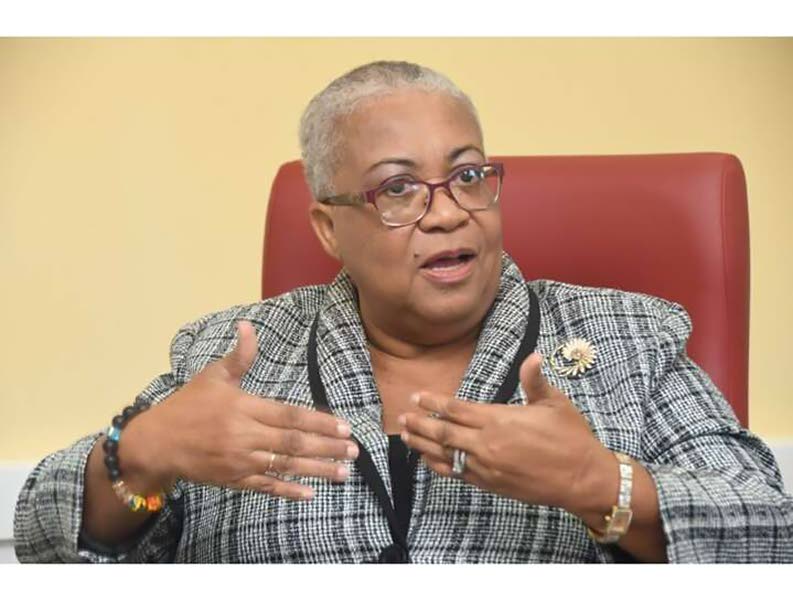
STREET FORREST…the committee will co-opt members as needed to ensure the widest possible and most relevant input for the creation of the micro market

Cordell Williams-Graham, president of the YEA

President of the MSME Alliance Antoinette Hamilton


