



The Untold Story of Jamaica’s Roots Drinks and Tonic Wines
Whether sipped at a rum bar, sold by the roadside in an unlabelled bottle, or brewed up in a big pot “round ah back”, Jamaican tonic wines and roots drinks are considered by many to be natural powerhouses. Often dubbed “Jamaican Viagra”, these bitter herbal blends are steeped in folklore, culture, and the promise of virility and stamina.
From well-known brands like Baba Roots and Magnum to home-brewed mixtures sold in recycled bottles, these drinks are often consumed as aphrodisiacs, immune boosters, or general body tonics. But while they hold cultural significance and a reputation for being “strong like lion”, there are rising concerns about the growing underground market, lack of regulation, and potential health risks that accompany their popularity.
A Cultural Elixir
The tradition of brewing roots tonics dates back generations, anchored in African herbalism, Maroon healing practices, and rural Jamaican bush medicine. Made with a complex mix of herbs, barks, roots, and vines — such as sarsaparilla, chaney root, strong back, medina, and guinea hen weed — these drinks are said to build the blood, clean the system, and restore male potency.
Over time, the recipe evolved to include fermented molasses, brown sugar, or wine to act as a preservative and sweetener, giving tonic wines their now-familiar taste: bittersweet, pungent, earthy, and slightly fermented. Commercial brands often add alcohol, ginseng, caffeine, or vitamins to enhance the effects. However, in many cases, homemade roots tonics are sold without any ingredient list, expiration date, or assurance of cleanliness. That’s where the danger begins.
The Science Behind the Sip
The bitter taste of roots drinks comes from bioactive plant compounds such as tannins, alkaloids, and flavonoids. While some of these have antioxidant or anti-inflammatory effects, others — especially in high doses — can be toxic or interact with medications.
Traditional fermentation, often used to preserve homemade brews, introduces lactic acid bacteria and wild yeasts, which may boost probiotic content. However, when not done under controlled conditions, fermentation can lead to the growth of unwanted bacteria, moulds, or alcohol levels that are too high or uneven.
Some drinkers report a mild buzz after a bottle — not surprising, given that some tonics have alcohol-by-volume (ABV) levels ranging from 5 per cent to over 15 per cent, often undisclosed on the packaging. Others may contain caffeine or herbal stimulants with side effects for individuals with hypertension, kidney problems, or heart disease.
Safety Risks and Lack of Oversight
One of the biggest concerns surrounding roots drinks is informal production. While a few Jamaican manufacturers operate under approved guidelines, many products — especially those sold in repurposed, reused bottles or roadside containers — lack labelling, expiration dates, or ingredient disclosures.
In rural and urban communities alike, it’s not uncommon to see plastic or glass bottles filled with dark brown liquid, sold for $500 to $1,000, with only a name like “Power Man” or “Roots Up” scrawled on a piece of masking tape.
These unregulated products pose serious risks such as microbial contamination from dirty equipment or unfiltered water, toxic plant overdose from herbs not measured or standardised, unknown alcohol content, which can impair judgement or interact with medication, and false health claims that may cause people to delay real medical treatment.
There is little to no monitoring of these products by public health authorities. While the Bureau of Standards Jamaica has regulations for processed beverages, homemade herbal preparations often slip through enforcement cracks. With no requirement to test or label these drinks before sale, consumers are left to trust the maker or take the risk.
Consumer Tips
Despite the risks, many Jamaicans swear by roots drinks, citing generations of use without problems. It’s not about dismissing the tradition, but about practising informed consumption. Here’s how consumers can reduce their risk:
• Buy from trusted, registered sources that follow hygienic processing and clear labelling.
• Avoid drinks in reused bottles with no label or ingredient list.
• Don’t mix with medications or other stimulants, especially alcohol or energy drinks.
•Be cautious if pregnant, breastfeeding, or managing chronic conditions like diabetes or hypertension.
•Check for sediment, spoilage, or an overly sour smell — these may indicate unsafe fermentation or contamination.
•Consult your doctor or pharmacist before regular use, especially if taking herbal tonics for sexual performance, detoxing, or immune support.
Preserving the Tradition, Safely
There’s no doubt that roots tonics and tonic wines are woven into the Jamaican identity. They’ve been passed down through generations, used in rural healing, sold at dancehall events, and served at home as a pick-me-up. But as demand grows and informal markets expand, so does the need for greater food safety awareness.
There is a place for tradition in modern health, but that place must be supported by science, safety, and sensible regulation. Whether bitter or sweet, strong or smooth, the true power of a tonic lies not just in what’s in the bottle, but in knowing what you’re drinking.
About the Author
Allison Richards is a food safety communicator and the founder of The Food Safety Girl, a consumer awareness platform dedicated to promoting food safety in Jamaica. She is also the host of The Big Bite Food Safety Show, a radio program that educates listeners on food safety issues. With over 14 years of experience in food safety regulation, Allison is passionate about empowering consumers and industry stakeholders to make informed choices that protect both health and the environment.

Allison Richards | thefoodsafetygirlja@gmail.com.
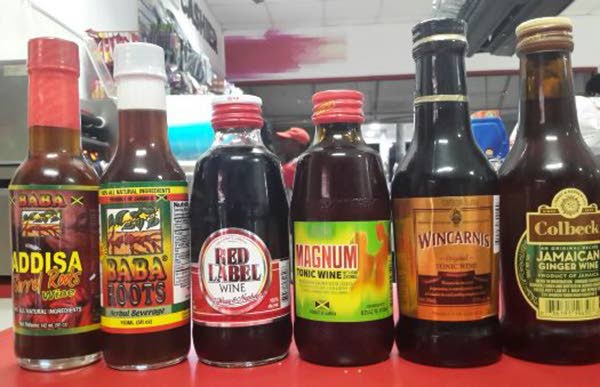
Jamaican tonic wine and roots drinks are steeped in folklore, cultural pride, and the promise of virility and stamina.


