



An AI code of conduct needed for Jamaica’s upcoming general elections
THE upcoming 2025 general election will be Jamaica’s first in the age of generative AI, and the risks are too high to ignore. Around the world AI has already been used to spread false information, manipulate public opinion, and undermine trust in democratic processes. Jamaica must act now to avoid falling into the same trap.
For decades, Jamaica’s elections have been known for political theatrics, intense rivalries and, in earlier years, dangerous spikes in violence, including gun violence. Thankfully, those days have largely passed as our democracy has matured. But now we face a new type of threat — one that is invisible but powerful. AI-generated content, from fake images and videos to voice impersonations — could easily become the next weapon of choice in our political landscape if we’re not proactive. Jamaica has already learned the hard way what happens when regulation lags behind technology. Just look at the fallout from lotto scamming and cyber fraud. We have a chance now to get ahead of this issue.
Real world examples we can learn from
AI-driven interference in politics is already happening globally. Here are just a few recent examples:
•A fake political ad featuring US Vice-President Kamala Harris, created using AI, was widely circulated online and even reshared by high-profile figures and political accounts, despite being clearly manipulated.
•An AI-generated image of Donald Trump surrounded by “black supporters” went viral. The image was fabricated, but designed to mislead by implying broader support than actually existed.
Even when political candidates or public figures do not create this kind of content themselves, resharing it can cause significant harm, especially if it’s used to sway public opinion using false visuals or misleading narratives.
An AI code of conduct needed as temporary safeguard for 2025 campaign season
The National AI Task Force, recognising the dangers posed by AI misuse, has already proposed policy recommendations to guide Jamaica’s responsible use of this technology. However, with elections due in just a few months, there’s unlikely to be enough time to pass formal legislation.
In the meantime, Jamaica’s political parties can, and should, come together to agree on an AI code of conduct. This would serve as a temporary but important safeguard during the 2025 campaign season.
A memorandum of understanding between political parties and the Electoral Commission of Jamaica can set clear expectations and standards. These are some key principles that should guide it:
•No AI-generated deepfakes. AI must not be used to create videos, images, or voices that falsely depict candidates saying or doing things they never did.
•Transparency in political ads. Any campaign materials created with the help of AI must be clearly labelled as such.
•No AI-powered disinformation. AI must not be used to spread false claims about candidates, election dates, or voting procedures.
•No AI voter suppression. AI-generated robocalls, fake messages, and deepfake recordings must not be used to mislead voters or discourage participation.
•No resharing of misleading AI content. Parties and individuals must be held accountable not only for producing but also for resharing manipulated or misleading AI content.
If a political party refuses to support such an agreement, that should be a red flag.
Things all Jamaicans can do
Every Jamaican has a part to play in protecting our democracy. Here’s how you can help:
• Question everything. If a video or voice note seems out of character or too outrageous, take a step back. AI makes it easy to create realistic fakes.
• Check before you share. Get your news from trusted, verified sources before reposting or forwarding political content.
• Hold politicians accountable. Ask your MP or councillor if they support an AI election code of conduct. If they don’t, ask why.
• Think twice before producing or sharing AI-generated election content. While Jamaica doesn’t yet have AI-specific laws, our existing defamation and cybercrime laws apply. Sharing fake content about someone, even unintentionally, could still land you in legal trouble.
We can’t afford to wait
Political parties have an opportunity to lead by example, to show Jamaicans that our democracy can adapt and protect itself in the digital age. An AI code of conduct won’t solve everything but it can help make sure the 2025 election is about real people, real issues, and real choices, not manipulated content and AI fakes. The time to act is now.
Matthew Stone is president, and Nadeen Matthews Blair chair, of the Jamaica Artificial Intelligence Association.
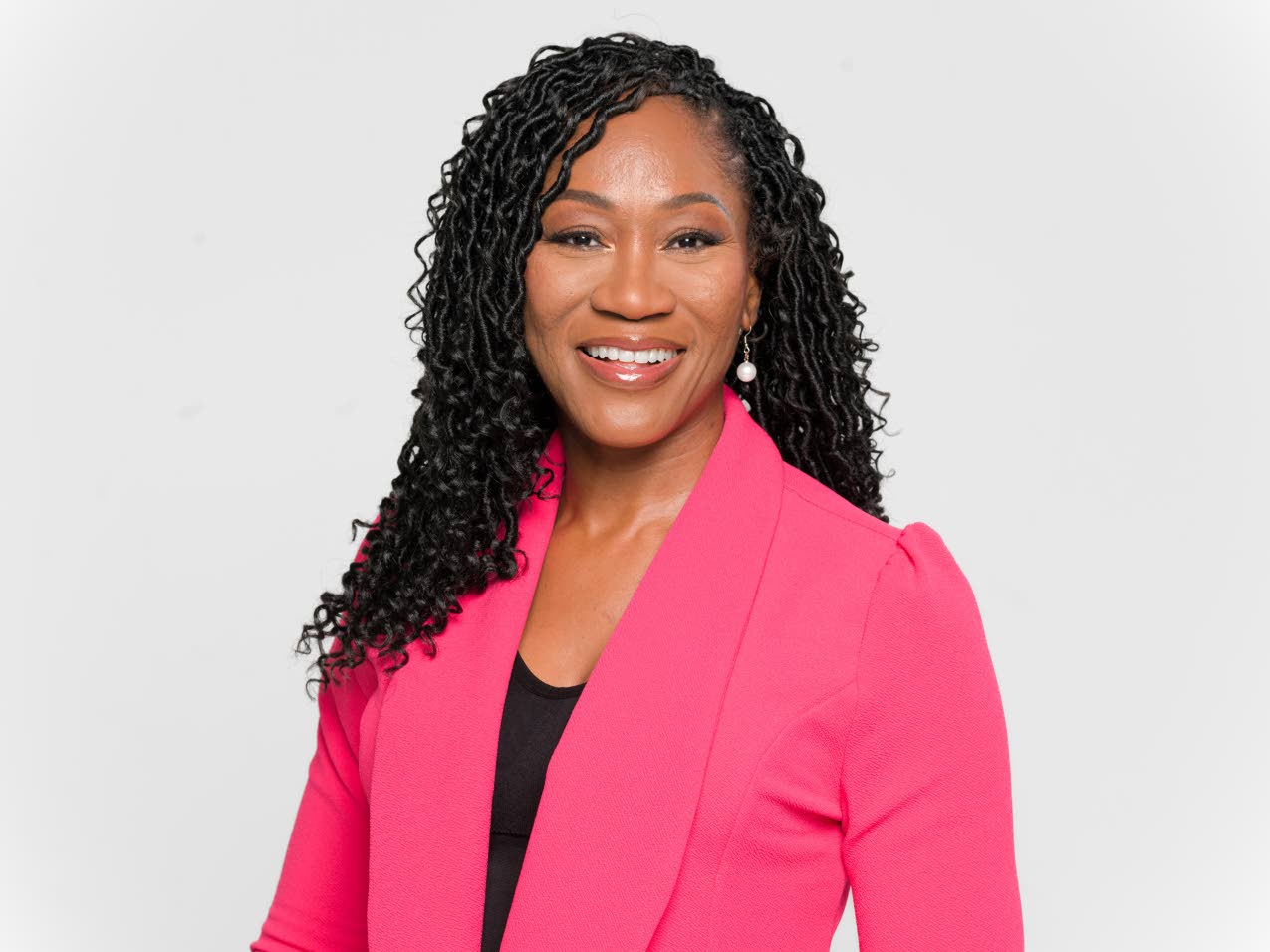
NADEEN MATTHEWS BLAIR.


