



LLETZ: A closer look at the life-saving cervical treatment
LAST week we discussed cryotherapy for the treatment of low-grade precancerous cells of the cervix. Today we will look at LLETZ – Large Loop Excision of the Transformation Zone of the cervix.
When 34-year-old Marcia heard the words “abnormal Pap smear”, she felt her heart sink. She had no symptoms, no pain, and felt perfectly healthy. But her results showed high-grade precancerous changes on her cervix, and her gynaecologist recommended a procedure called LLETZ. Like many women, Marcia had never heard of it. Today, we’re breaking it down in simple terms so you understand what it is, why it’s done, and what to expect.
What is LLETZ?
LLETZ is a safe and effective treatment used to remove abnormal cells from the cervix — the lower part of the womb that opens into the vagina. These changes are often caused by the human papillomavirus (HPV). Left untreated, some of these cells could progress to cervical cancer over time.
During the procedure a thin wire loop carrying an electrical current is used to gently cut away the abnormal area. It’s quick, precise, and usually done in the doctor’s office so there’s no need for an overnight hospital stay.
Why might you need it?
If your Pap smear or HPV test is abnormal, your gynaecologist may perform a colposcopy (which we described a few weeks ago) to take a closer look. If the findings confirm high-grade cell changes (CIN2 or CIN3), LLETZ is often the recommended next step.
The goal is to remove all the abnormal tissue while preserving as much healthy cervix as possible, helping to prevent future precancerous changes while keeping fertility in mind.
Marcia’s experience
Marcia’s gynaecologist explained the process step by step, reassuring her that the procedure would take less than 20 minutes. On the day, she lay comfortably on the examination couch, much like during a Pap smear. After numbing the cervix with local anaesthetic the doctor used the loop to remove the affected tissue. Marcia felt some mild pressure but no pain. She went home the same day and returned to her usual activities within a few days, avoiding heavy exercise and intercourse until her follow-up visit, which is usually six weeks post-procedure.
Benefits of LLETZ
1) Early intervention saves lives. Removing abnormal cells stops them from developing into cancer.
2) Quick recovery. Most women return to normal activities within days.
3) High success rate. In most cases, all abnormal cells are removed in one procedure.
4) Fertility preservation. The cervix is conserved, so most women can still have children afterwards.
Aftercare and follow-up
It’s normal to have light bleeding or discharge for a couple of weeks after LLETZ. Your doctor will schedule a follow-up visit and repeat cervical screening and HPV testing six months post-procedure to ensure all abnormal cells are gone. This ongoing monitoring is vital because, while LLETZ is highly effective, changes can recur in a small number of women.
Breaking the stigma around cervical health
Too often, women delay follow-up after an abnormal Pap smear because they feel fine or are fearful of the results. As Marcia’s story shows, early action can mean the difference between a quick outpatient procedure and a far more serious diagnosis later on.
Your health is your power, and prevention is better than cure. If you’ve been told you need LLETZ, take comfort in knowing it’s a safe, effective, and preventive treatment designed to protect your future.
If you do conceive in the future, a cervical cerclage (suture placed around the cervix) is electively placed in the early second trimester. This is to decrease the incidence of second trimester miscarriages — as post-LLETZ the cervix may not be as strong as it normally is — so as to maintain a pregnancy.
Additionally, post-LLETZ treatment, it is recommend that you take the HPV vaccine .
Dr Daryl Daley, JP, is a cosmetic gynaecologist, obstetrician, and women’s health advocate. He is located at 3D Gynaecology Limited, 23 Tangerine Place, Kingston 10. Feel free to contact Dr Daley at ddaley@3dgynae.com.
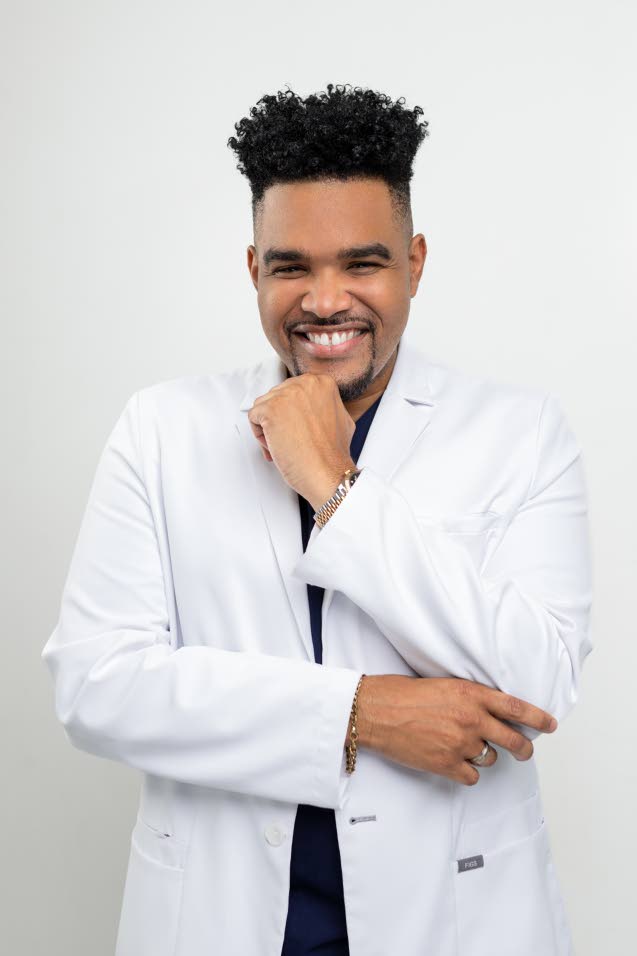
Dr Daryl Daley.


