



NO TO DOPE!
JRC doubles down on anti-doping fight in horse racing industry
IN the high-stakes world of horse racing in which fortunes hinge on the speed of a thoroughbred, a sinister force has lurked in the shadows.
Doping of racehorses in Jamaica often causes grave concern to many stakeholders as it can destroy the sport’s wide appeal.
The Jamaica Racing Commission (JRC), the regulatory body for horse racing in Jamaica, says it has a more robust anti-doping programme in place to protect the integrity of the sport and ensure the safety of both equine athletes and jockeys.
The commission says it is drug testing more horses on each race day, and imposing severe penalties — including suspension — on those found guilty.
According to the JRC, the tighter measures have coincided with a decrease in positive tests.
Dr Simone Johnally, a veterinarian with the JRC, emphasised the commission’s commitment to fair play.
“The use of prohibited substances is something that the commission takes quite seriously. We test horses from each race, on each race day, throughout the entire racing calendar. We will always take the winner, and we will take a random selection from the race as well,” Dr Johnally told the Jamaica Observer.
“It is very important that we [assure] the public that… racing is happening fairly, and we can ensure that our athletes are being treated fairly and the connections to the horses as well are honouring their commitment to race fairly,” she said.
“We are constantly keeping our eyes out and constantly aiming to bolster our testing programmes, our anti-doping programme, to ensure that we are doing the best that is possible in our capabilities,” she added.
The commission’s efforts to combat doping were put to the test in the 2022-23 racing season with the emergence of Ketorolac, a mystery drug to some in the industry. A spike in positive tests for the drug prompted the JRC to take action.
Clovis Metcalfe, chairman of the JRC, said a stern warning was given to stakeholders.
Dr Simone Johnally (right), veterinarian at the Jamaica Racing Commission, checks Sensational Move as trainer Gary Subratie looks on at the stables on July 13, 2025. (Photo: Garfield Robinson)
“We had just over 100 positives during a six-month period. We had a discussion with all the stakeholders, telling them of [the] concerns, giving them the benefit of the doubt, but advising them as well. We struck a… deal so we could as quickly as possible account for these adverse findings,” Metcalfe explained.
The results were astonishing, he said. The evidence of use of the drug disappeared almost as quickly as it had emerged, leading Metcalfe to conclude that some stakeholders had known more than they were letting on.
“And surprisingly to the JRC, the evidence of that drug stopped almost immediately, which tells me that the stakeholders were aware of the drug and, as far as I am concerned, were using the drug,” he said.
The JRC believes its efforts have brought a new era of fairness to the sport.
Metcalfe noted that by working together the commission and industry stakeholders can ensure that horse racing remains an attractive sporting spectacle, free from the scourge of doping.
“So where we are now, we are very happy with the process and we want to thank the trainers, the owners, and all the stakeholders for abiding [by] the rule of fair play where no person has an advantage over the other,” the JRC chairman said.
Trainer Roy Matthews expressed support for the JRC’s testing programme for prohibited substances.
“That’s normally a good idea. That’s the best way to see if a horse is positive. This is a very good way to clamp down on the illegal use of drugs in the sport. Illegal use of drugs in horse racing, that’s not right,” Matthews told the Observer.
Matthews emphasised the importance of using legitimate and safe products to care for horses, rather than resorting to doping.
“There are some good things that you can buy at the Tack Shop that you can give a horse, rather than drugging them. Drugging a horse is not good because drugs [destroy] your training career and it also [hurts] the horses. When you drug a horse, that horse can overrun himself and that’s not good,” Matthews warned, noting the potential of fines and possible loss of a trainer’s licence if found guilty.
“When you drug a horse, it costs you when your horse tests positive. The JRC is going to charge you, and if you don’t pay that fine you are not going to get a licence, and so it doesn’t make any sense,” he said.
Dr Johnally highlighted the crucial role of the JRC’s anti-doping programme.
“We have had cases where, on the finding of a positive or of a prohibited substance, we do further intense investigations of these matters. The relevant connections would be summoned and evidence will have to be provided by all parties involved in or connected to these horses to determine how these prohibited substances came to be in the horse,” she said.
Dr Johnally also put the spotlight on the importance of veterinary oversight. She said that before connections give their horses medications, they must first check with the authorised medicinal experts.
“If you have any concerns of what is allowed in a horse or what is safe to use in a particular instance, always have your veterinarian by your side in treating any cases. If this is a case of a horse that is nominated, declared to run on the programme, contact a veterinarian to ensure that we are going to safely remove the horse from the race and that the regulatory body is notified so that the public can be notified, and so that private treatment can continue,” she explained.
“[Otherwise], on the race day this horse could end up on the track and succumb to its injuries, fall on the track, injure the jockey that is aboard — and worst of all could impact the other horses and jockeys on the track, causing a far greater… spill,” the veterinarian said.
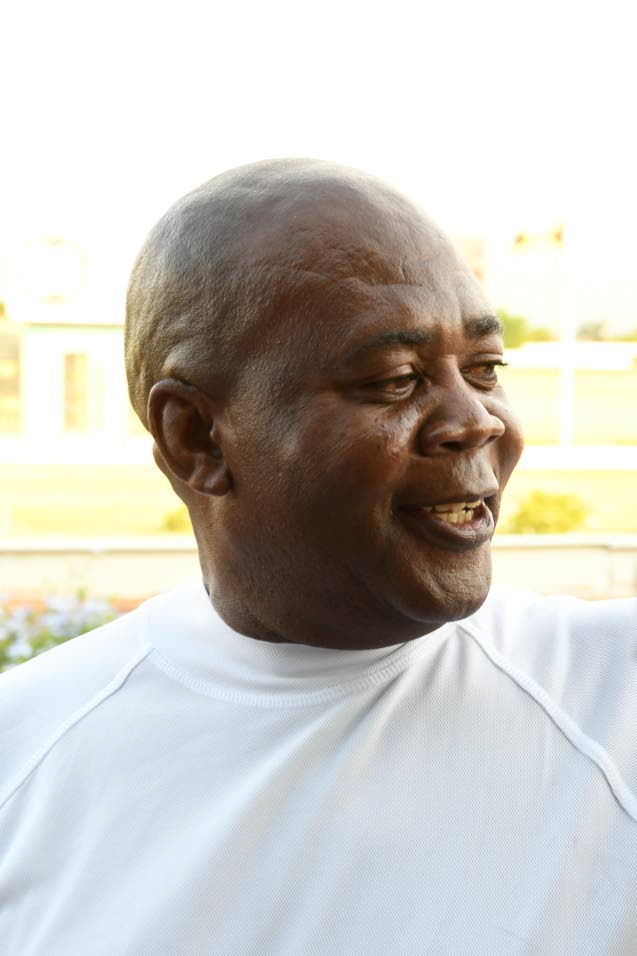
MATTHEWS… when you drug a horse, it costs you when your horse tests positive
![METCALFE... we want to thank the trainers, the owners, and all the stakeholders for abiding [by] the rule of fair play where no person has an advantage over the other](/jamaicaobserver/news/wp-content/uploads/sites/4/2025/08/image_2-275.jpg)
METCALFE… we want to thank the trainers, the owners, and all the stakeholders for abiding [by] the rule of fair play where no person has an advantage over the other

DR JOHNALLY… we are constantly keeping our eyes out and constantly aiming to bolster our testing programmes (Photo: Garfield Robinson)
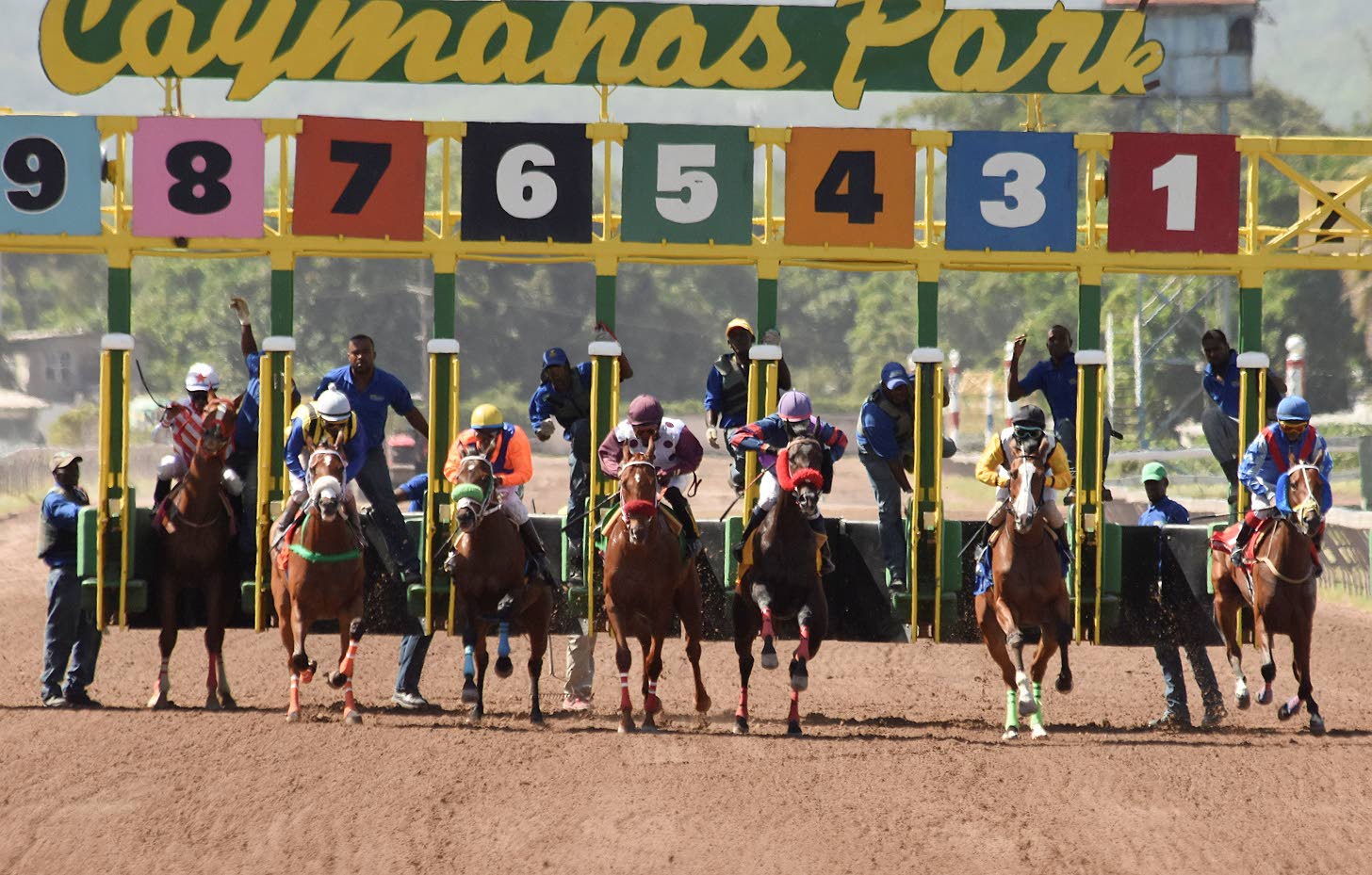
Horses break the starting gates during a 9 furlongs and 25 yards (1,820m) race at Caymanas Park n St Catherine.


