



Agri sector enters new growth phase but
...…growth estimate refuted amid ongoing productivity and pricing concerns
A near 10 per cent increase in agricultural output, supported by recovery from previous weather-related disruptions, has been cited as evidence that Jamaica’s agriculture sector has entered a new growth phase, according to preliminary estimates released by the Planning Institute of Jamaica (PIOJ).
In a recent presentation on economic performance, PIOJ Director General Dr Wayne Henry said that the agriculture sector — among the hardest hit by Hurricane Beryl last year — was a key contributor to the overall 1.4 per cent growth recorded for the April–June 2025 quarter.
“Based on current output levels the industry has fully recovered from the shock of Hurricane Beryl and is now in a new growth phase,” Henry said.
The sector posted a 9.8 per cent increase, largely attributed to favourable weather conditions, which helped drive an 11.1 per cent boost in output per hectare for domestic crops.
Further analysis showed strong performance in the other agricultural crops category, which recorded 14.1 per cent growth. This was due to increased production across all nine crop groups, with standout gains in cereals, up 27.8 per cent; potatoes, up 22.9 per cent; vegetables, up 18.9 per cent; condiments, up 18.5 per cent; yams, up 11.1 per cent; and legumes, up 7.4 per cent.
Traditional export crops, which also grew by 2.7 per cent, was driven by higher yields in coffee (up 8.6 per cent) and banana (up 4.0 per cent). These increases, the PIOJ said, were, however, not enough to offset estimated declines in cocoa and sugar cane production. Notably, post-harvest activities expanding by some 3.6 per cent, reflected a greater supply of coffee berries for roasting.
Animal farming which, on the other hand, further contributed to the sector’s performance, also increased by 3.1 per cent. This out-turn was largely due to a 6.6 per cent rise in poultry meat production, which helped to outweigh a sharp 25 per cent decline in egg production over the three-month period.
Despite the reported growth, former Jamaica Agricultural Society (JAS) President Lenworth Fulton, asked by the
Jamaica Observer to comment on the sector’s performance, criticised the latest figures, describing them as being unrealistic and politically motivated.
“I don’t buy those utterances about a ‘new growth phase’…I think those numbers are manufactured,” Fulton also said. “If the sector really saw 10 per cent growth, then why are yams still selling at $400 per pound, sweet potatoes at $300, Irish potatoes at $200 and cabbage at $300–$400? It doesn’t make sense!”
He pointed to persistently high food prices and questioned the link between increased production and market costs. “If we really had that level of growth, it would reflect in lower prices. The economics don’t add up,” he said, further citing goat meat prices holding steady at $1,500 per pound.
Fulton also disputed the claim that favourable weather had supported the sector’s rebound, arguing that widespread drought conditions up to June had severely impacted key farming areas such as St Elizabeth, Manchester, and St Ann.
“We just got some rain in the last two weeks. Before that, we were in a serious drought. So how did the sector achieve the growth they claim? Nonsense!” he said.
Calling for stronger policy interventions, Fulton reiterated the need for greater access to land for farmers and protection of arable land from housing developments.
“Agriculture continues to decline because government continues to allow housing developments on irrigated Class One lands. New irrigation systems, like the one in Essex Valley — which isn’t even complete — and another in St Elizabeth are just a fraction when compared to what they are taking out for housing,” he stressed.
Fulton concluded by urging the government to move swiftly in adopting the necessary policies that will address long-standing issues in the sector. This, as he praised small farmers for their continued efforts in maintaining food supply in the local markets.

FULTON…I don’t buy those utterances about a ‘new growth phase’ — I think those numbers are manufactured. If the sector really saw 10 per cent growth, then why are yams still selling at $400 per pound, sweet potatoes at $300, Irish potatoes at $200 and cabbage at $300-$400? It doesn’t make sense
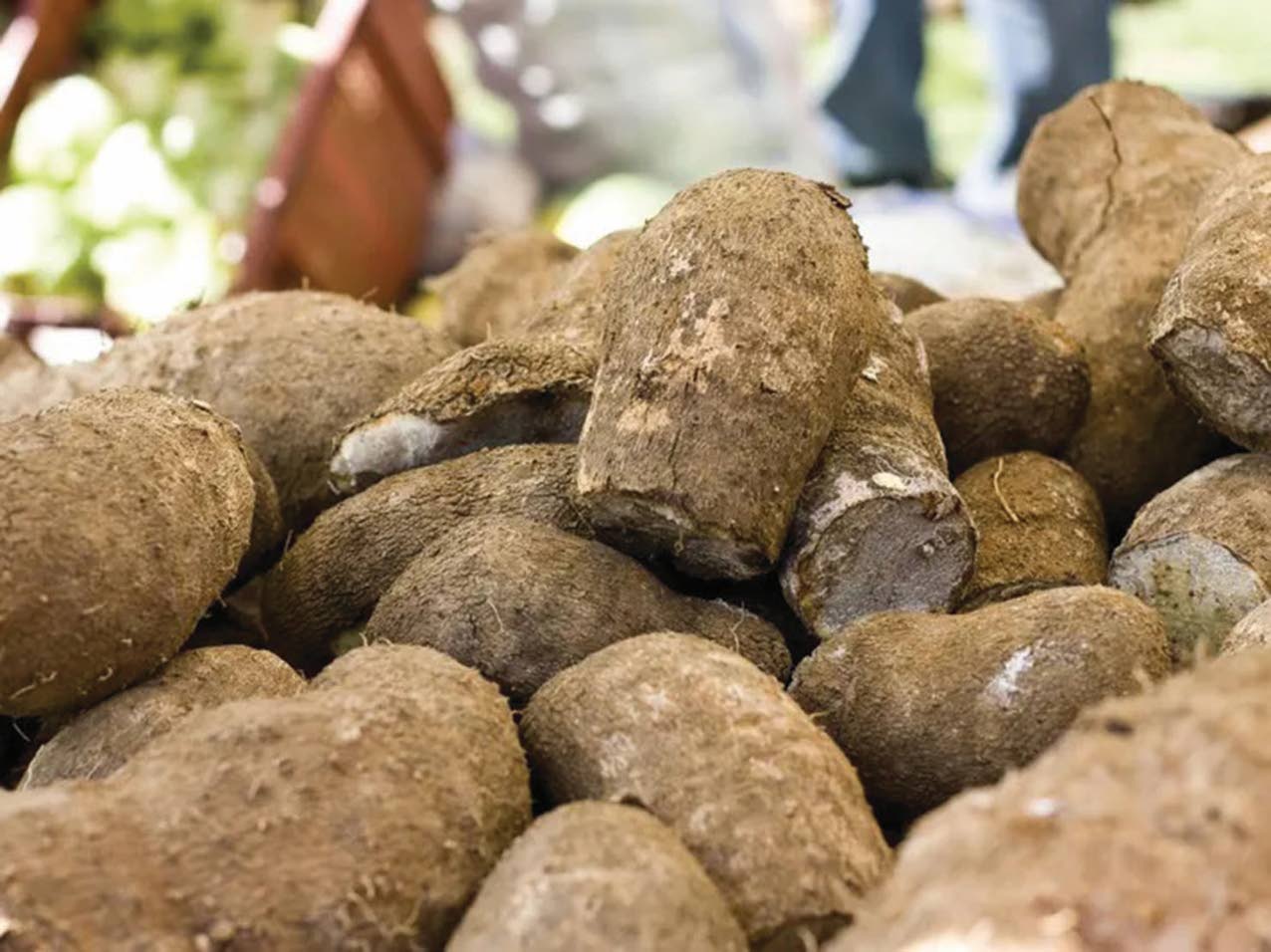
The cost for yams has been cited among rising prices now trending at $400 and above per pound.


