



Zero Calories, Real Concerns: Are Artificial Sweeteners Safe?
In a world where sugar is blamed for everything from obesity to diabetes, artificial sweeteners have long been marketed as the guilt-free solution, offering sweetness without the calories. Found in diet sodas, sugar-free gums, flavoured yogurts, protein bars, and tabletop sweeteners, these substances have become a staple in many Jamaican households and food businesses. But as their use continues to rise, so too do questions about their safety.
While artificial sweeteners have helped many people reduce their sugar intake, manage weight, or control blood sugar levels, recent studies are prompting a closer look at whether these sugar substitutes are as harmless as once believed.
Why Artificial Sweeteners Are Popular
Artificial sweeteners such as aspartame, sucralose, saccharin, and acesulfame potassium are intensely sweet — some up to 600 times sweeter than regular sugar — but contain little to no calories. This makes them attractive for those managing diabetes, trying to lose weight, or avoiding added sugars due to health conditions.
In Jamaica and across the Caribbean, with rising rates of non-communicable diseases like type 2 diabetes and obesity, artificial sweeteners have found their way into sugar-free beverages, powdered drink mixes, and even baked goods. Consumers looking for healthier options may see them as a smarter alternative; but food safety experts say it’s not as simple.
What Recent Research Is Revealing
Artificial sweeteners have been deemed generally safe by regulatory agencies like the US Food and Drug Administration (FDA), European Food Safety Authority (EFSA), and Codex Alimentarius. However, emerging research has raised red flags about long-term health effects — particularly when consumed frequently and in large amounts.
In 2023, the World Health Organization (WHO) released updated guidelines advising against the use of non-sugar sweeteners for weight loss, citing a lack of consistent long-term benefits and potential increased risk of type 2 diabetes, cardiovascular disease, and all-cause mortality in habitual users. While WHO acknowledged that more research is needed, the statement was a wake-up call for both consumers and food safety professionals.
Even more concerning is a 2024 study published in the Cereus Journal of Medical Science that found some artificial sweeteners — including saccharin and sucralose — may disrupt the gut microbiome, which plays a key role in immunity, digestion, and overall health. These alterations could potentially lead to glucose intolerance and inflammation; however, further human studies are needed to confirm these findings.
Another area of scrutiny is aspartame, one of the most widely used artificial sweeteners. In July 2023, the International Agency for Research on Cancer (IARC), a WHO-affiliated body, classified aspartame as “possibly carcinogenic to humans” based on limited evidence linking it to liver cancer in animal studies. While the Joint FAO/WHO Expert Committee on Food Additives (JECFA) did not change its acceptable daily intake recommendation, the classification has reignited public concern, particularly among frequent consumers of diet soda.
New Concerns: Recalls and Research
In August 2025, the FDA recalled NuNaturals Organic Pure Stevia and Pure Monk Fruit Sweetener after a labeling mix-up, where each product contained the other’s contents. While not life-threatening, it underscored the importance of label checking, even with “natural” alternatives.
Around the same time, several studies raised fresh concerns about popular sweeteners. Erythritol, commonly used in “keto” and low-calorie foods, was linked to impaired brain blood vessel function and higher platelet activity, which may elevate the risk of clots, strokes, or heart attacks if consumed in large amounts. Sucralose, or Splenda, was shown to stimulate appetite-regulating centers in the brain, particularly in people with obesity, potentially undermining its use for weight management; and when heated above 120°C, it may produce harmful compounds. Meanwhile, a 2025 Swedish study in mice suggested aspartame could contribute to arterial plaque buildup and inflammation — early warning signs of cardiovascular disease, though more human research is needed.
What Does This Mean for Jamaicans?
For Jamaican consumers — especially those managing health conditions or trying to adopt “healthier” lifestyles — artificial sweeteners may feel like a safer bet. But it’s important to use them in moderation, just as we would with sugar. Overuse or blind trust in “sugar-free” labels could lead to unintended consequences, particularly if the product contains multiple sweeteners or is consumed multiple times a day.
Many of the low-calorie beverages and powdered drink mixes sold locally include blends of artificial sweeteners, which makes it harder for consumers to track their intake. Additionally, children, pregnant women, and people with specific medical conditions may be more vulnerable to the effects of long-term exposure.
Reading Labels, Reducing Risk
To protect yourself and your family, take a closer look at product labels. Sweeteners like aspartame, sucralose, and saccharin are usually listed in the ingredients section. Products labelled “light,” “diet,” or “sugar-free” often contain them, even if they don’t clearly say so on the front.
Also, be aware of serving sizes. Many studies that flagged potential risks are based on high levels of consumption. Staying below the acceptable daily intake (ADI) — the amount considered safe over a lifetime — is key. For example, the ADI for aspartame is 40 mg/kg of body weight per day.
If in doubt, balance your intake with natural alternatives like stevia, monk fruit, or moderate amounts of traditional sugar while maintaining a healthy, varied diet.
Final Word: Choose Sweetness Wisely
Artificial sweeteners are not inherently dangerous, but they’re not a free pass either. Their role in managing calories and blood sugar must be weighed against emerging concerns about long-term health effects. As more research unfolds, the safest approach is to use them mindfully and in moderation.
Sweetness may be a comfort, but in the realm of food safety, it should never come at the cost of your health.
About the Author
Allison Richards is a food safety communicator and the founder of The Food Safety Girl, a consumer awareness platform dedicated to promoting food safety in Jamaica. She is also the host of The Big Bite Food Safety Show, a radio program that educates listeners on food safety issues. With over 14 years of experience in food safety regulation, Allison is passionate about empowering consumers and industry stakeholders to make informed choices that protect both health and the environment.
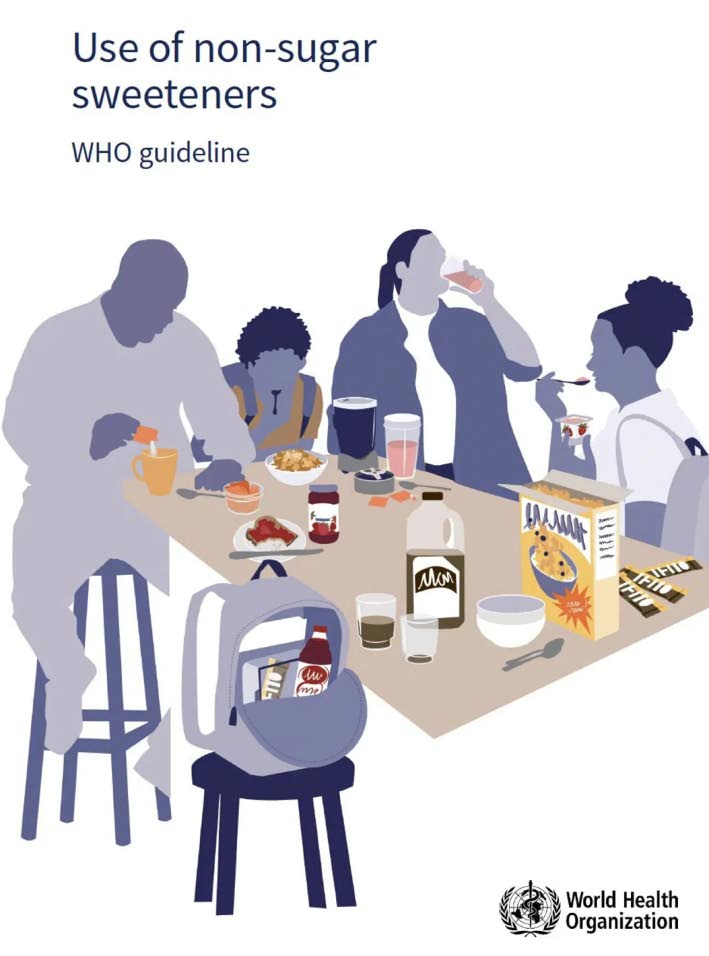
The World Health Organization (WHO) guideline provides evidence-informed guidance on the use of non-sugar sweeteners to reduce the risk of unhealthy weight gain and diet-related noncommunicable diseases in adults and children.
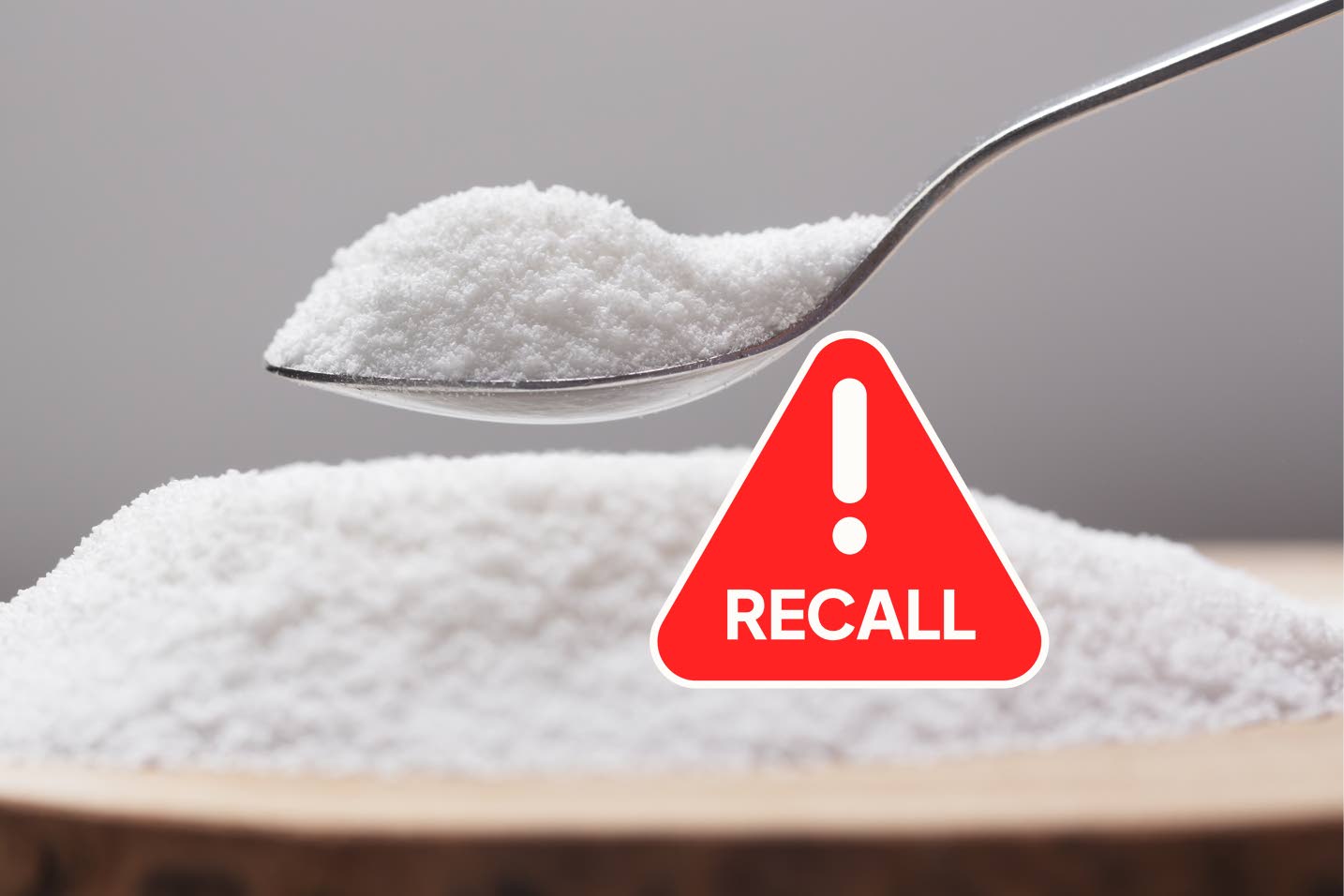
In August 2025, the FDA recalled NuNaturals Organic Pure Stevia and Pure Monk Fruit Sweetener after a labelling mix-up.

Allison Richards | thefoodsafetygirlja@gmail.com.


