



The politics of property ownership
FROM the People’s National Party’s PORTIA — which it is banking on to resuscitate Operation PRIDE — to the Jamaica Labour Party’s theory that a new school to train more land surveyors will help it deliver 25,000 titles each year, the two major political parties have come out strong on land and housing issues as they woo voters ahead of the September 3 General Election.
The People’s National Party’s target over the next five years, if it forms the next government, is to build 50,000 houses on public lands not earmarked for agriculture. It has noted that it will, “exclude the value of land from the price of those homes to make ownership more accessible”.
As outlined in its manifesto, the goal is to bring back dignity through land and shelter.
“Every Jamaican deserves a safe and secure place to call home. Yet today, nearly one in five Jamaicans live in informal settlements, and hundreds of thousands remain locked out of land and home ownership. The housing deficit now stands at 190,000 units. Inequitable land distribution and unaffordable housing continue to fuel poverty, hopelessness, and crime,” reads the People’s National Party (PNP) manifesto.
“The People’s National Party is committed to restoring dignity by securing land rights, building affordable homes, and transforming communities. We will build not just houses, but the foundation for a fairer society,” it added.
Meanwhile the Jamaica Labour Party (JLP) says if it is returned to power it will deliver 60,000 housing solutions in the next term, “through a combination of direct construction and initiatives that expand housing development islandwide, increasing supply, driving down costs, and opening the doors of homeownership to more Jamaicans”. The promise was framed within the context of a broader effort to create sustainable communities.
“With this overarching target we affirm our belief that quality housing is the foundation for thriving and sustainable communities. We will, therefore, move beyond the limited concept of ‘housing solutions’ and embrace a holistic approach to community development,” says the JLP manifesto.
Both parties have sweeteners for young Jamaicans, tourism workers, teachers, nurses, and the security forces. And both have outlined how they will use technology to boost the efficiency of a number of processes that now inhibit aspects of property ownership.
Also of note, the PNP has promised that members of the disability community will be allocated 20 per cent of all new social housing built by the Housing Agency of Jamaica (HAJ), “utilising inclusive design principles, and provid[ing] housing assistance to those in need through targeted grants and subsidies”.
Its plans also include the building of “integrated retirement homes for seniors”. This will be done through a partnership with churches that have substantial land holdings — a collaboration that will see places of worship and the NHT sharing in the revenue generated.
Meanwhile, the JLP has put forward its HAJ land title amnesty, which provides an opportunity for individuals who now owe less than $150,000, “to settle their debts and secure their ownership”. For accounts that have a larger balance and have not been serviced for “some time”, a payment plan will be offered.
The JLP’s manifesto also speaks to a national roof repair and room completion assistance programme that will benefit 5,000 homes over the next five years. It said beneficiaries will be determined by the Social Development Commission (SDC) and Members of Parliament, with the most vulnerable placed at the front of the line to receive help.
The Jamaica Observer’s Real Estate on the Rock provides out-takes on some of what is on offer from both sides.
Tackling informal development
The PNP’s plan:
“We will launch the Programme for Orderly Renewal and Transformation of Infrastructure in All Areas (PORTIA), which will:
– Complete all unfinished Operation PRIDE schemes across Jamaica, ensuring the infrastructure is in place and titles are issued to the residents.
– Embark on the regularisation of informal land settlements across Jamaica through organising the residents, financing the infrastructure and lot sales, issuing titles etc, supported by a robust governance mechanism to ensure transparency and value for money.
– Upgrade older housing schemes that are in need of repair, and invest in communities to provide proper sidewalks, green spaces, and effective drainage systems.
– Replace zinc fences with concrete walls, and invest in public beautification.”
The JLP’s plan:
“We will bring security and opportunity to the thousands of families living in long-established informal settlements across Jamaica. We will secure land and secure futures by building on the new Systematic Land Registration system to deliver 25,000 titles per year over the next five years. A national campaign will ramp up the use of systematic registration to pursue nationwide land tenure regularisation, beginning with high-density urban areas using cutting edge technology.
“We will move to digital titles and digital land surveys at the Title Office and Survey Departments of the National Land Agency — an essential part of achieving our target of 25,000 titles per year. With digitisation every Jamaican, whether at home or abroad, will also be able to get their title information on a computer or on their phones. As part of this process, we will:
– Exponentially increase the capacity of land surveying by the establishment of a new land surveying training school at the National Land Agency to equip our young people in all areas of the land surveying profession needed to get this done.
– Finance the title cost through the National Housing Trust (NHT), allowing residents to repay over time. This repayment will be rolled into a plan that will unlock other NHT benefits such as construction grants and home improvement loans to build on their property for which they will now have [the] title.”
For the teachers, et al:
The JLP says:
“Nurses, teachers, and members of the security forces will have their very particular nation-building service to country recognised by:
– An additional one per cent reduction in their NHT loan interest rate after completing five full years of service.
– An additional two per cent reduction in their NHT loan interest rate after 10 full years of service.”
The PNP says:
– If elected, it will, “restore reduced interest rates for public sector workers such as teachers, nurses, police, and correctional and military officers.
– Grant public sector workers a three-month grace period before mortgage payments begin after purchasing their home, to enable them to furnish it etc.
– Apply a preferred 40 per cent debt-service ratio to support public sector workers in qualifying for larger NHT loans.”
Other manifesto highlights
The PNP has promised to:
“Launch an electricity empowerment programme to help low-income households regularise their consumption, with support for solar system installations.
Remove taxes and duties on clean energy equipment for households and MSMEs.”
The JLP says it will put in place:
A one-stop portal for builders and developers that will involve “expanding, upgrading, and modernising the AMANDA [Application Management and Data Automation] system to provide a dedicated portal for all levels of building and development approvals. It will integrate the Jamaica Developers Application Portal, NEPA [National Environment and Planning Agency], and municipal government approval processes to cut approval times and the number of copies required, and to ensure more efficient time management overall”.

.


Jamaica Labour Party supporters in a jubilant mood on August 24, during the party’s mass meeting and manifesto launch in Montego Bay’s Sam Sharpe Square in St James.Photo: itslynkyy
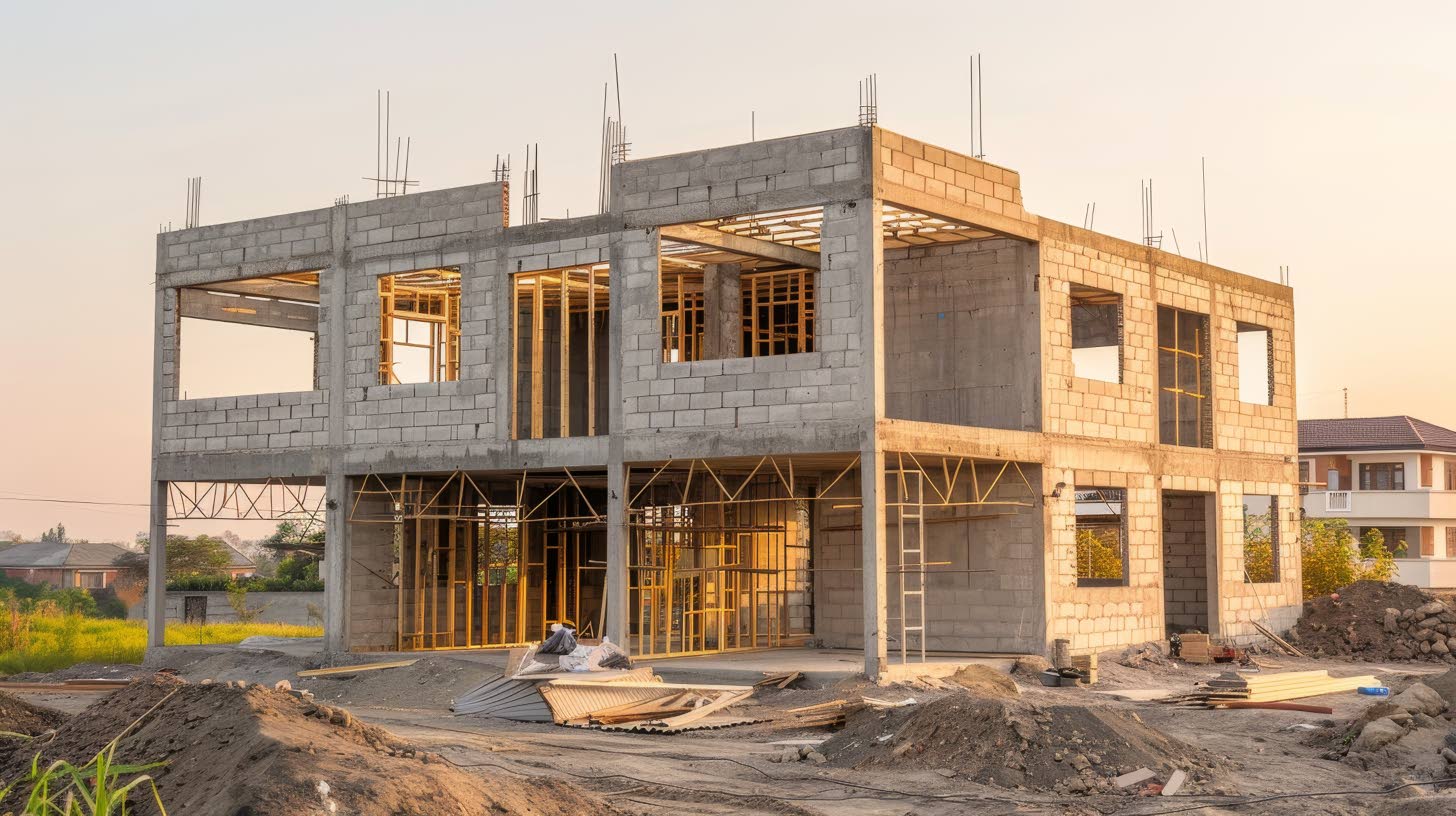
The People’s National Party says the country’s housing deficit now stands at 190,000 units.


