



Support for Diaspora vote, but…
Three Jamaicans living overseas have given qualified support to the idea of voting rights in elections here being extended to the Diaspora.
Nathaniel Peat, UK South representative on the Global Jamaica Diaspora Council (GJDC), believes that the right to vote in Jamaica should be tied to a genuine, tangible connection with the island, as too many members of the diaspora are deeply embedded in their host societies and as such remain disengaged from national issues in Jamaica.
“There are individuals who have lived abroad for 15 or 20 years, fully assimilated into their host countries, with little to no connection to Jamaica beyond an occasional holiday, or family visit,” Peat told the Jamaica Observer.
“Citizenship must be more than a passport; it must be a commitment. Voting rights should be reserved for those who contribute, participate, and remain invested in Jamaica’s future,” argued Peat, who is also co-chair of Jamaicans Inspired, a group which describes itself as a non-political organisation established to help reconnect Jamaicans abroad with the island.
Former GJDC Northeast USA representative Dr Karren Dunkley shared that view but stressed that while the issue is complex, diaspora engagement in the democratic process should not be dismissed.
She noted that Jamaicans abroad already have the option to return home to vote, provided they are registered by the Electoral Office of Jamaica (EOJ).
“Jamaican citizens living abroad do not have postal voting through consulates or remote ballots,” Dunkley explained. “Still, any citizen registered and on the electoral register may travel to Jamaica to vote at a polling station during an election. This is the standard lawful procedure,” she said.
Dunkley proposed measures to ensure diaspora voters remain meaningfully tied to Jamaica, including verification of citizenship through valid passports, demonstration of economic ties such as remittances or investment, and engagement in civic or cultural life.
She suggested a tiered system, under what she labelled “graduated eligibility” allowing greater access to those who frequently return home or maintain economic and cultural links, while excluding individuals long absent and disconnected.
Tier one, she explained, would include Jamaicans who have lived abroad for fewer than 15 years and who maintain dual residency or return to the island frequently.
Tier two would relate to “people born abroad to Jamaican parents who demonstrate legal and economic connection, possibly through voluntary registration with the foreign mission or consulate wherever they are”.
Her proposal is for the Electoral Commission of Jamaica, along with the foreign missions and Ministry of Foreign Affairs, to maintain a diaspora voters’ list.
“[But] in order to get on the voting list you have to show, for example, a bank account because at the minimum they should have a Tax Registration Number because they’re going to need it anyway to sign up,” Dunkley said.
However, Dunkley put forward what she said was an exclusion clause, stating, “Individuals absent for 40 years or more without sustained connection, financial contribution, or legal engagement should not vote on domestic matters they neither experience nor support”.
Additionally, she recommend that the diaspora list, when created, would need its own specialised team to oversee its function, similar to how scrutineers function in Jamaican elections.
“You have to have people who would now do that for the diaspora list,” she said, adding, “The Government has to hold consultation with the diaspora then we develop this voting criteria and policy. So we create it together because it will have to go to Parliament and pass parliamentary scrutiny,” Dunkley said.
“The line should be drawn to demonstrate commitment to Jamaica’s progress, not merely an ancestral claim,” she explained.
Peat agreed with the scrutineer system, and argued that it should be used to ensure that every vote cast from abroad reflects a lived understanding of Jamaica’s challenges and aspirations.
Both Peat and Dunkley underscored the importance of inclusivity with responsibility. Peat warned against allowing those with no real stake in Jamaica’s development to shape its political future. Dunkley argued for safeguards, such as diaspora town halls in partnership with the EOJ and the consulates aimed at educating the diaspora on developments in Jamaica.
“Diaspora engagement must be earned, not assumed,” Dunkley said. “Ultimately, the right to vote carries the responsibility to listen, learn, and uphold the best interests of the Jamaican people, especially those whose daily lives are shaped by the policies we help elect.”
Peat stressed that it is not about exclusion but instead safeguarding the integrity of Jamaica’s democratic processes and ensuring that the diaspora influence strengthens, rather than undermines the nation’s journey toward republican status.
Meanwhile, Sharon Gordon, author of the novel SheriBaby: A Little Girl’s Big Voice in Post-Independence Jamaica, agrees that the conversation definitely needs nuance. Gordon, who has lived in the United States for 46 years, stressed that the necessary groundwork must be done before any real steps can be taken.
“I think we miss the mark when we just jump and say people in the diaspora should vote. It’s a deeper question than that, because yes, okay fine, and then what? What are the policies that are in place to protect the vote? I see people sometimes commenting on politics here in America because they think we have a parliamentary system when our system here is different from the system in Jamaica. So there needs to be some kind of education, and something tying you to Jamaica,” she explained.
Gordon further stressed that social scientists should get involved in this issue and work out the framework.
“It would change the landscape of our country and how things are governed. For example, how would it work? Is there going to be a representative in Parliament? [Should] the Canadian people have one? The US people have one? The people in UK have one? What about those in the Caricom countries?” she questioned.
In April 2006, then State Minister for Foreign Affairs and Foreign Trade Senator Delano Franklyn (now deceased) told a Jamaica Information Service (JIS) Think Tank that while the People’s National Party (PNP) Government had been working to strengthen relations with the diaspora, through initiatives such as the Diaspora Conference, the issue of affording voting rights to overseas Jamaicans, while they are residing abroad, was “not on the agenda at this time”.
Franklyn told JIS that Jamaicans living overseas can exercise their franchise, and many have come home to vote in national elections. However, he explained that for them to be able to do so, “they need to be registered in Jamaica and need to come home at the appropriate time to ensure that they are reverified at the addresses, which they would have filled out on the form here in Jamaica”.
At the time, Franklyn said he believed that “it will become a very real issue some time in the future, as we can’t be seeking to deepen and strengthen the linkages with Jamaicans overseas… and not face this particular issue of whether or not they will be able to exercise their franchise from where they are living”.
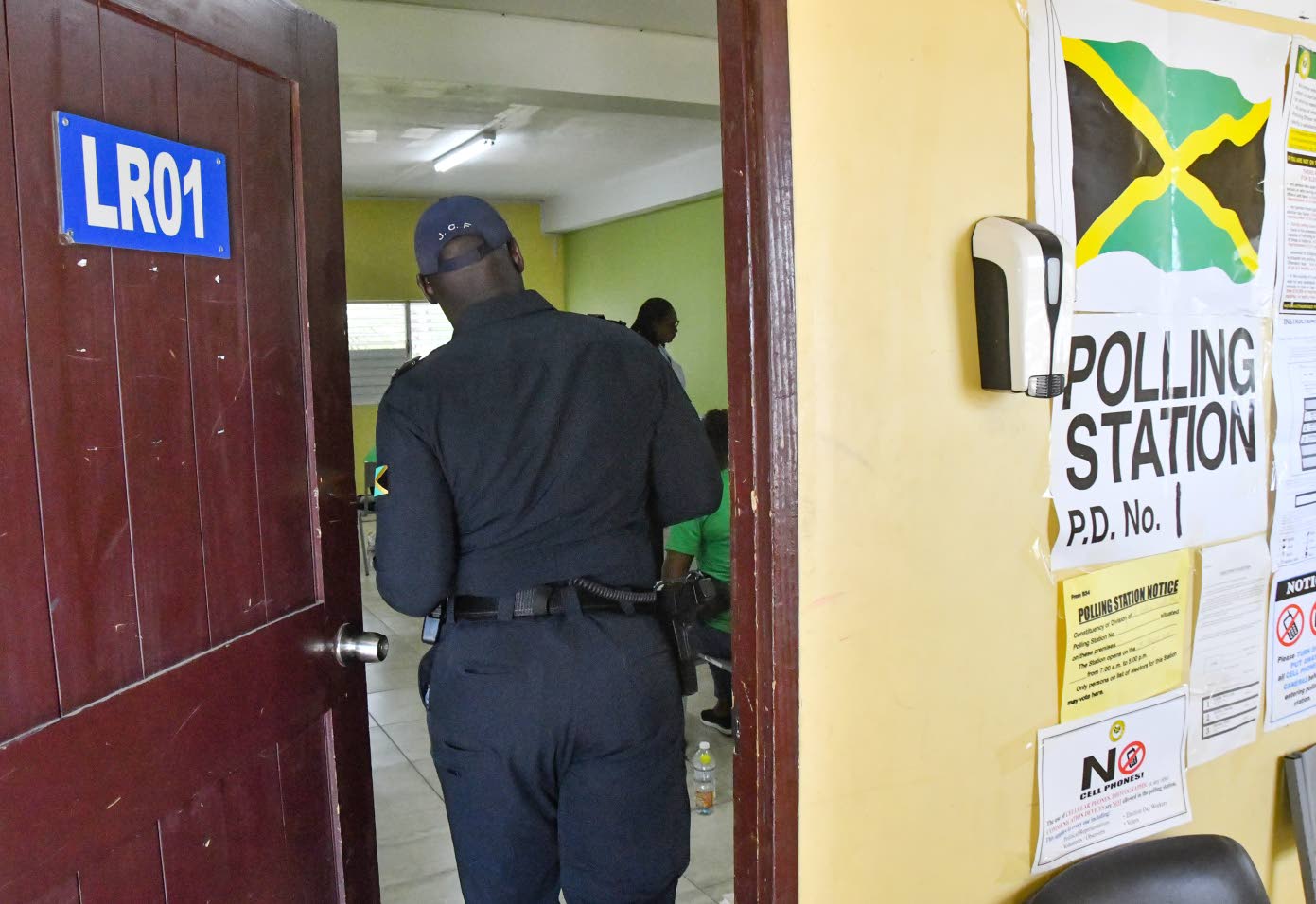
A member of the Jamaica Constabulary Force (JCF) enters a polling station in the Corporate Area on Friday for early voting ahead of the September 3 General Election. The Representation of the People Act makes provisions for election day workers, police, and military personnel to vote ahead of the rest of the population to ensure that they are available for duty on election day. (Photo: Naphtali Junior)

DUNKLEY… the line should be drawn to demonstrate commitment to Jamaica’s progress, not merely an ancestral claim
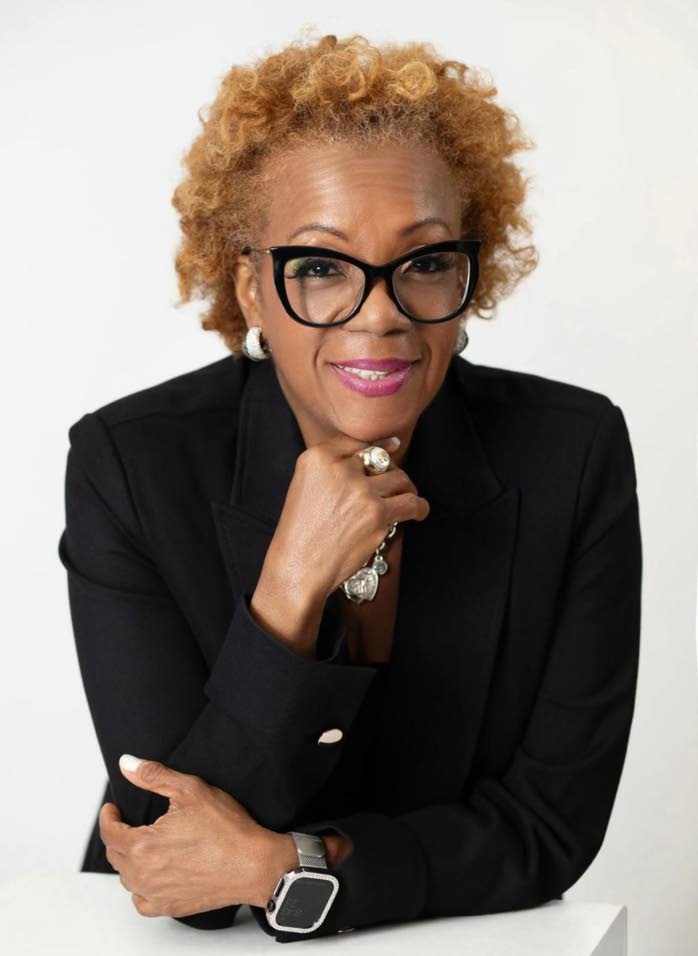
GORDON… I think we miss the mark when we just jump and say people in the diaspora should vote


