



When democracy speaks, the deaf community must not be left listening to silence
When the first national election debate aired, millions watched the parties make their case for how Jamaica should be governed. For thousands of deaf and hard-of-hearing Jamaicans, however, the broadcast was not an exercise in civic engagement but a reminder of exclusion: There was no Jamaican sign language (JSL) interpretation provided for that debate.
The omission was picked up immediately by national commentators, advocacy groups, and public officials, and it forced an uncomfortable question onto the front pages: Are we serious about an inclusive democracy if a significant portion of the electorate is denied access to the information they need to make an informed choice?
The second debate was different in form, but not in effect: The broadcast included a sign-language interpreter, yet many deaf viewers and advocates reported that the interpretation was inaccurate, incomplete, and at times ambiguous, leaving meaning unclear or lost altogether. Social media, community groups, and broadcast follow-up pieces captured the frustration: Presence alone is not enough when the quality of interpretation is poor.
The Jamaica Debates Commission has said it secured interpretation for subsequent debates after the first event, but securing a seat on the screen must be matched by certified, experienced signers who can translate complex policy language, idioms, and rapid exchanges in real time. Otherwise, the invited “inclusivity” amounts to the optics of representation without the substance.
We must be precise about scale: Estimates of how many Jamaicans are deaf or living with disabling hearing loss vary, some specialist groups and national advocates put the number of signing deaf people in the tens of thousands, while government and health sources acknowledge a wide range depending on definitions and data collection methods. The Planning Institute of Jamaica estimate for people diagnosed with hearing loss, between 2012 and 2014, was around 54,000, and public health commentary has observed that the number of Jamaicans affected by some degree of hearing loss can span a very large range depending on criteria used. To put these figures in context, roughly two million Jamaicans are registered voters, so even conservative estimates represent a sizeable voting bloc that deserves reliable access to debates and campaign material. Treating this as a niche concern neglects both basic human rights and a meaningful share of the electorate.
The consequences of leaving sign language access to chance are not only symbolic, they are practical and cumulative. Deaf Jamaicans already face documented barriers in education, employment, and civic participation: lower literacy and limited school-to-work transition pathways, fewer employment opportunities, and chronic under-resourcing of bilingual (JSL and written English) education models. When political information is inaccessible, it compounds these disadvantages by denying citizens the very facts and policy debates that shape public services, jobs, health care, and social supports that affect them every day. Ensuring accurate access to national debates is, therefore, not an act of charity, it’s a corrective intervention that helps to level an uneven playing field.
There is also a legal and moral foundation for insisting on more than tokenism. Jamaica’s Disabilities Act, 2014 recognises that communication includes signed language and sets out the principle that persons with disabilities should participate “on an equal basis with others” in political and public life. International commitments, such as the UN Convention on the Rights of Persons with Disabilities, reinforce that States must remove barriers to full participation. These are not optional niceties; they are rights-based obligations that require deliberate planning, reasonable accommodation, and the allocation of resources so that inclusion becomes routine rather than an afterthought.
If we want debates that genuinely include every Jamaican, the path forward is practical and immediate.
Firstly, the Jamaica Debates Commission and broadcasters should adopt a written, binding protocol: Any national political debate or campaign broadcast must include certified Jamaican sign language interpreters whose credentials and experience are publicly disclosed in advance; procurement and selection should be undertaken transparently with consultation from the Jamaica Association for the Deaf and Sign Clubs of Jamaica.
Secondly, technical standards must be non-negotiable. Interpreters must be shown in a dedicated, sufficiently large picture-in-picture box, with clean lighting and camera framing, and camera switches must not interrupt the continuous feed of the interpreter.
Thirdly, invest in capacity. Government, private broadcasters, and civil society should fund accredited training and a national roster of JSL interpreters so there is depth of talent, especially for high-stakes live political events.
Fourthly, expand accessibility measures in parallel — qualified live captioning, translated written summaries, and accessible online video players — so people who use different modalities can each get reliable access.
Fifthly, the Disabilities Act already recognises sign language within the sphere of communication; government should accelerate initiatives to recognise and strengthen Jamaican sign language across public communication platforms, education, and emergency systems.
Finally, set accountability mechanisms. Require post-broadcast accessibility audits and public reporting so failures are documented and corrected before the next election cycle. These actions are feasible, they require will, money, and the political recognition that inclusion is a democratic necessity, not an optional enhancement.
Jamaica has done important work on disability policy in recent years, and advocacy groups continue to push for stronger implementation. But policy on paper must be matched by practice in every medium where civic life happens, and during an election season, debates are about as central as it gets.
If we are to claim that every Jamaican has an equal voice at the ballot box, then the institutions that shape public opinion must ensure every Jamaican can both hear and be heard, even when hearing depends on a pair of hands translating ideas into sight.
Democracy that listens only to those who already have access is not a democracy at all, and it is our collective responsibility to fix that.
Shawn Smith is a business development consultant, human resource specialist, and clinical social worker. Send comments to the Jamaica Observer and shawnthesocialpractitioner@gmail.com.
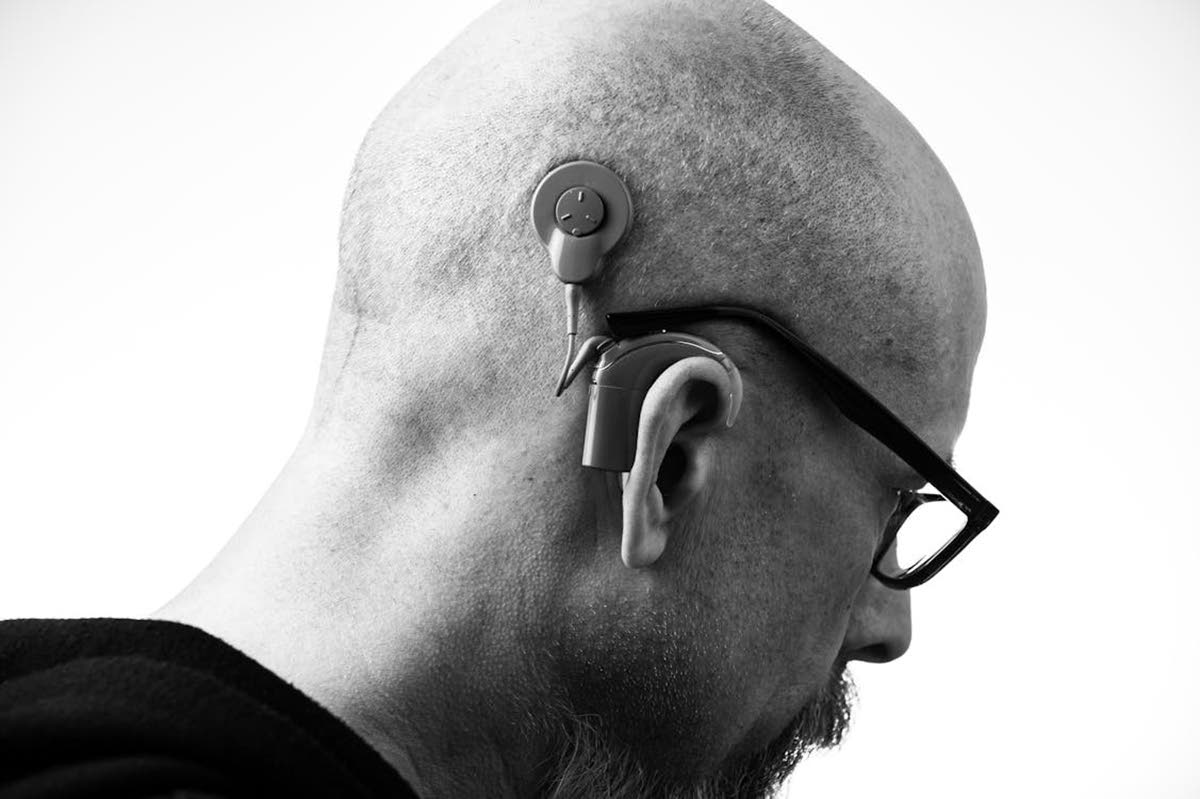
Between 2012 and 2014 Jamaica’s deaf population was estimated to be about 54,000.


