



VM’S REDUNDANCY ROLL-OUT
19 jobs gone, more in the cross hairs as group chases billions in savings
VM Group confirmed that it made 19 staff members redundant last month as part of the first phase of a strategic restructuring programme aimed at streamlining operations and enhancing financial performance.
The company said the redundancies were focused on its VM Building Society (VMBS) branch network, where internal reviews identified process inefficiencies. Frederick Williams, chief financial officer at VM Group, stated in written responses to the Jamaica Observer that these changes were necessary and carefully managed, with some roles restructured or reassigned to better align with the company’s future-state model.
“Under this phase, 19 team members were impacted and the necessary steps taken to manage their transition. In some cases, roles were restructured or reassigned which resulted in eight team members being promoted,” Williams said.
Courtney Campbell, VM Group’s CEO, emphasised that the restructuring is part of a broader, phased process and that the initial redundancies do not represent the full scope of changes to come. “We haven’t finished the work as yet,” he told Business Observer, describing the process of deciding which personnel to make redundant as “scientific and data-driven”. Campbell explained that the process involves a detailed assessment of workload, “analysing capacity versus the actual transaction count”, an exercise that is now being extended to support units.
When questioned on which areas may face further adjustments, Campbell said the review extends to “the people directly employed to VMBS as well as those employed to essential areas, the support areas in VM Financial Group”. He added that the analysis is expected to be completed “by November” and that no further details are available as the process continues.
The restructuring effort is part of VM Group’s strategic vision to evolve into a more agile, technology-enabled, and member-centric organisation. Official documents describe the transformation as being rolled out in three phases. Phase One is currently in progress, following staff notifications that began on August 4, 2025. Subsequent phases will introduce new processes, technologies, and organisational realignment aimed at boosting efficiency and adopting zero-based budgeting for enhanced financial accountability.
A key driver for the changes is VM Group’s high cost-to-income ratio, which stood at 88.5 per cent in 2024. The cost-to-income ratio is a key financial metric that measures a company’s operational efficiency by comparing its operating expenses to its revenue, indicating how much it costs to generate each dollar of income. Williams said the company’s strategies are intended to reduce this figure to the mid-70 per cent range as part of a longer-term plan to reach a target of 60 per cent, though he did not say when the company intends to reach that ratio. Campbell, however, cautioned against speculating on exact savings at this stage, saying, “If somebody said they’re going to move their cost-to-income ratio from 80 to 75, you can’t assume all of that is [reducing] cost only, because some of the things being done are to improve revenue.” Regarding severance costs for the 19 employees, he added that sharing the figure at this time would not be prudent given the process is ongoing with more people likely to be separated.
Questions about the future of VM Innovations, a subsidiary charged with delivering fintech solutions and serving as a holding company for the group’s non-financial subsidiaries, were addressed. Campbell confirmed there are no current plans for divestment but said the unit is being reorganised as part of ongoing digital transformation efforts, with its holding company role to remain, but projects it is undertaking to be transferred to the various business units.
“VM Innovations plays two roles. It is both a parent company for the non-financial groups, owning VM Property Services and VM Real Estate Holdings, and it was charged with delivering fintech solutions. We’re transferring the projects, both those completed and those in development, to other companies within the group,” he explained.
He stressed further that there are no negative implications arising from this transfer, noting that projects desired by business units will continue under its management with support from the central IT team.
“In other words, if they’re working on a solution for VM Pensions, VM Pensions would take on that project themselves and then be supported by the IT team in the group. So there’s no negative implication if the projects desired by the businesses would still be implemented, and they would be supported by their colleagues in IT or the project management office.”
Throughout the restructuring, VM Group emphasised its commitment to a people-first approach. Programmes supporting affected employees include reassignment opportunities for high-performing staff to roles aligned with emerging strategic directions.
“The goal is to build a fresher, stronger VM Group that is streamlined, digital ready, and prepared to meet the future with confidence,” the company said, reiterating its commitment to supporting staff throughout the transition.
Full clarity on subsequent phases and the broader reshaping of the group’s operations is expected upon the conclusion of the ongoing analysis scheduled for completion by November.
VM Group has reported a strong financial performance for the year ended December 31, 2024, with operating revenue climbing by $4.26 billion – or 40 per cent – to $14.8 billion and net profit increasing by 120 per cent to $823.4 million.
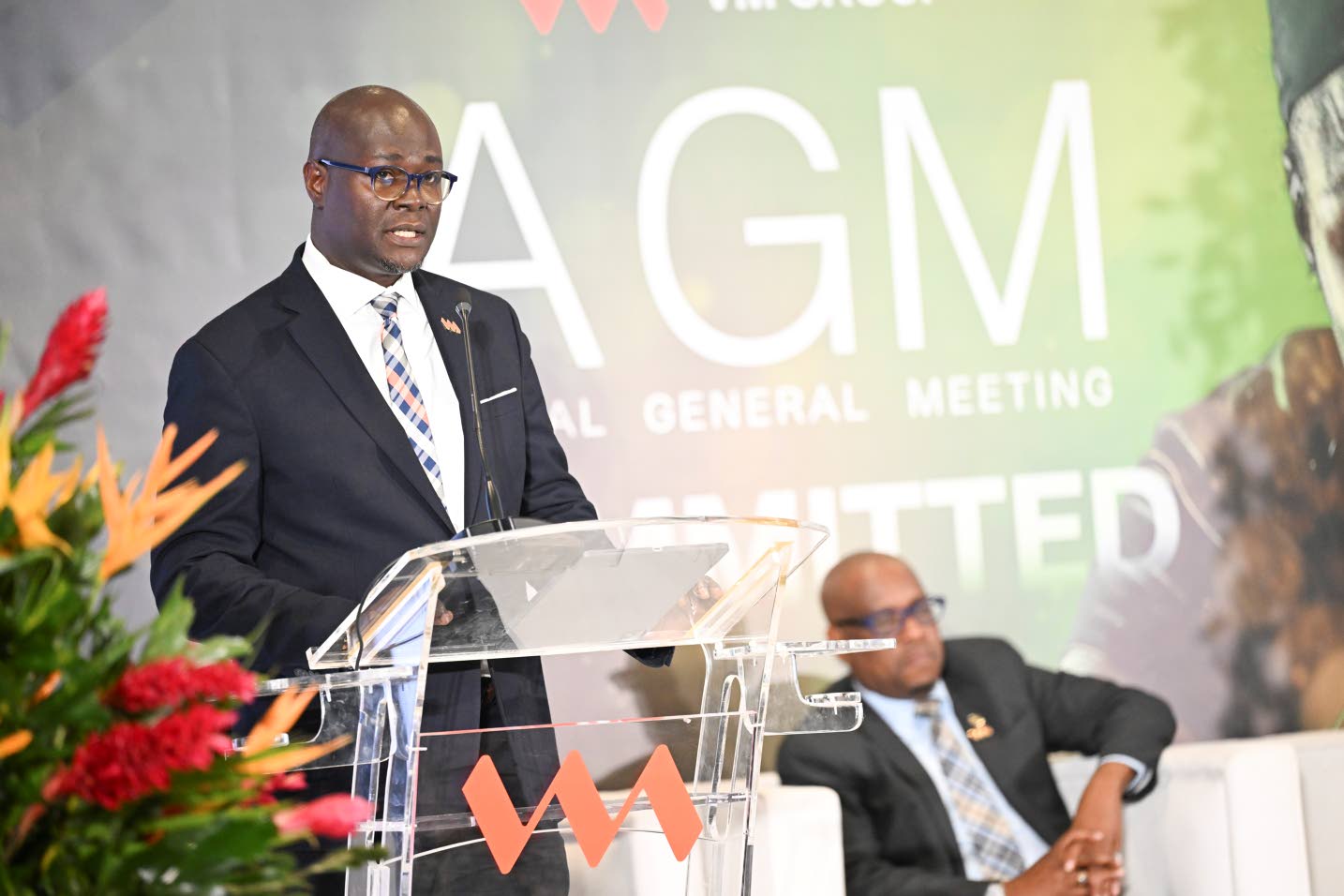
CFO Frederick Williams, the architect of VM Group’s financial restructuring, overseeing the cost-cutting drive designed to ensure the group’s long-term competitiveness.
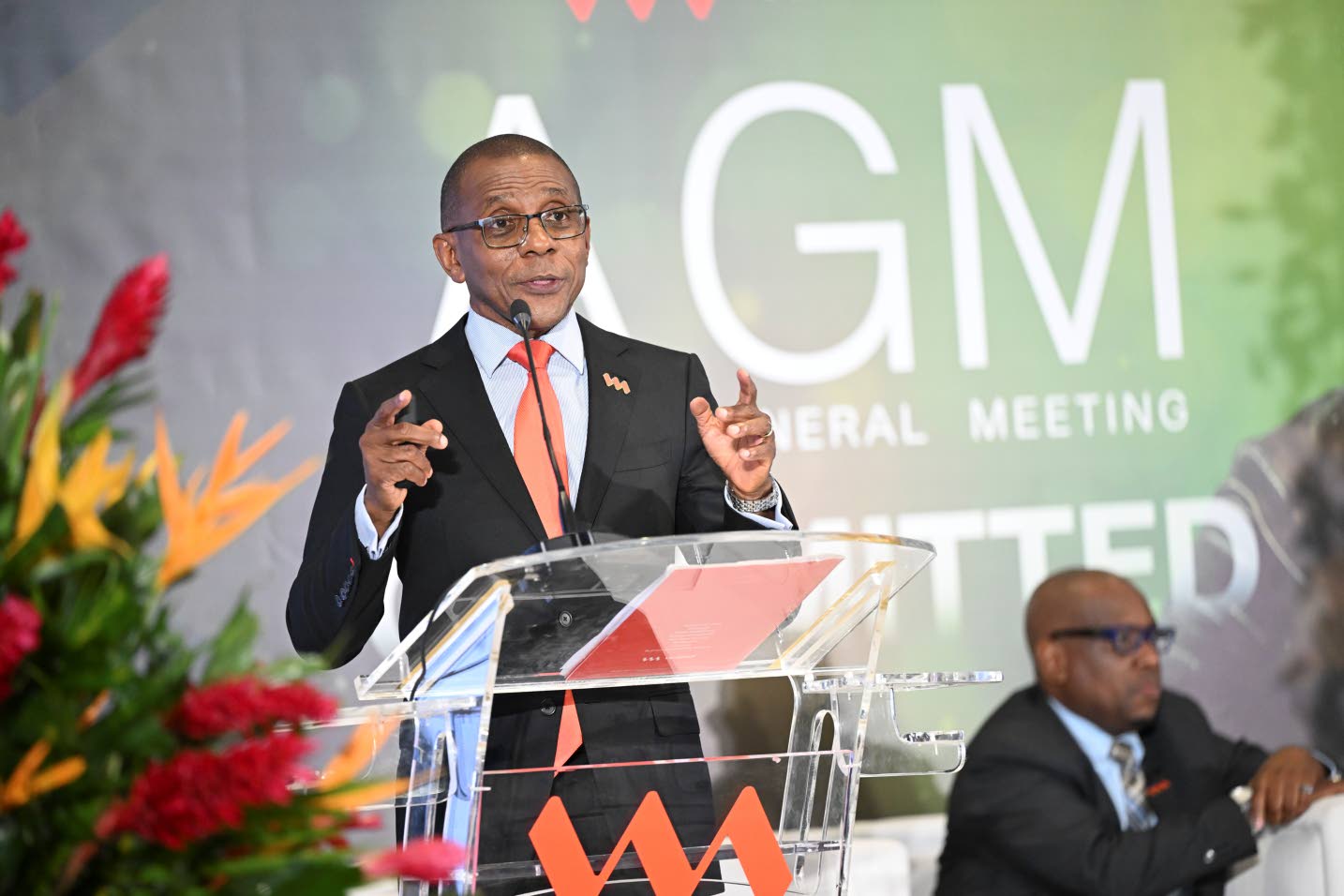
Group CEO Courtney Campbell, who warned that the initial job cuts are just the first phase of a ‘scientific’ restructuring, with more redundancies likely by November.


