MPs punished for going MIA
MoBay mayor also taps social media hype, deceitful ‘supporters’ for low voter turnout
MONTEGO BAY, St James — Stunned at the low voter turnout for Wednesday’s general election, Mayor of Montego Bay Richard Vernon is theorising that it may have something to do with Members of Parliament (MPs) going missing, unrealistic expectations fuelled by social media, and supporters who failed to make it past the mass rally stage and into polling booths.
A member of the ruling Jamaica Labour Party (JLP), Vernon is also councillor for the Montego Bay South Division.
“This is not the turnout that I anticipated. Yesterday, having observed the movement of people at about 7:00 am — and I would even go further to say the momentum behind both parties leading into the opening of the poll — I was anticipating about 65 per cent voter turnout,” he told the Jamaica Observer Thursday.
According to preliminary results provided by the Electoral Commission of Jamaica (ECJ), only 39.5 per cent of those eligible to vote actually cast their ballots across the country. This was slightly higher than the 37.9 per cent recorded in the 2020 election, held during the COVID-19 pandemic when many shunned crowds for fear of being infected.
Vernon is of the view that even where MPs elected on a JLP ticket provided effective representation, voters may have penalised them if they did not build relationships with the people they represent.
“I’ve observed a few things. First, where Members of Parliament have performed well, if it is that they have challenges defending their seat, it might very well be that there is a lack of presence, hence a lack of motivation to vote. Jamaicans are still very much motivated by presence; they place high value on presence,” he said.
“If they don’t see you, even though the work is being done, there is still that lack of motivation,” he added.
Vernon also pointed to the possibility that those seeking a mandate to govern may have fallen for the hype on social media.
“We might be bamboozled into believing, and I mean generally, into believing that what obtains on social media is a general view of the electorate; not so,” he explained.
“As a result, what persons have witnessed on social media over the months leading up to the opening of the polls, that has not translated into real votes on the ground. Which says to us politicians and those who are within the political system, that all politics remains local. Therefore, we have to ensure that we continue to engage people, to build presence while the work is being done to yield a higher voter turnout,” Vernon advised.
The ambitious young politician is convinced the issue needs to be properly examined because of the impact it can have on future elections.
“What needs to be studied are the more qualitative challenges such as how persons perceive representation; [there are] those who perceive representation as work done, and some perceive it as [the] present,” Vernon said.
Preliminary results of Wednesday’s vote have the JLP retaining power with 34 seats to the People’s National Party’s (PNP) 29. In the 2020 vote, the JLP took home 49 of the 63 parliamentary seats. Vernon shared his thoughts on the reason his party lost 15 seats on Wednesday despite what he views as impressive work in providing infrastructure such as roads and access to water.
“When the results came in last year’s local government elections, if you look at them, we had challenges in rural sections of Jamaica. We had challenges in rural sections of St James, and I’m still seeing that in the results now. Not in terms of what’s not done there — because a lot has been done in those sections. But why is it that we are not getting as much support in rural sections of Jamaica?” he said.
“What I believe is that those seats that we lost, that [the] PNP had before, the PNP has a larger historical base in those seats. For example, if you look at Westmoreland, the seats that they had for 30-odd years that we won, they reclaimed them,” Vernon explained.
He also credited the PNP’s marathon campaign period for the gains they made.
“They have been campaigning for about four years for this election. So, how can we look at the results and say that we lost some seats because we were awful, we were a terrible Government. That would mean that we completely ignored the efforts of the PNP, which cannot be ignored. I always tell persons, there are two major political parties in Jamaica,” Vernon said.
Regarding the inability of both parties to get more voters to the polling booths, the mayor said: “The election is all about organising…. the person to face an election and doing the necessary groundwork; not just leading up to the election but on the day of the election. Any party that does it best is usually victorious. Because even though you see persons support the party, it is also another process to translate that support into votes.
“There are many persons who are supporters and when it is time for them to vote, you realise that they are either not of age, don’t have an ID, they are extras — meaning that they are just there — they don’t even turn up on the day. Some of them are just plain deceptive because they will come to your meeting, they will come on your motorcade, and they will vote against you and it goes so for both parties,” Vernon lamented.
Now he is looking ahead to the post-mortem, the usual dissection to determine what his party did well, what went wrong, and plan the way forward.
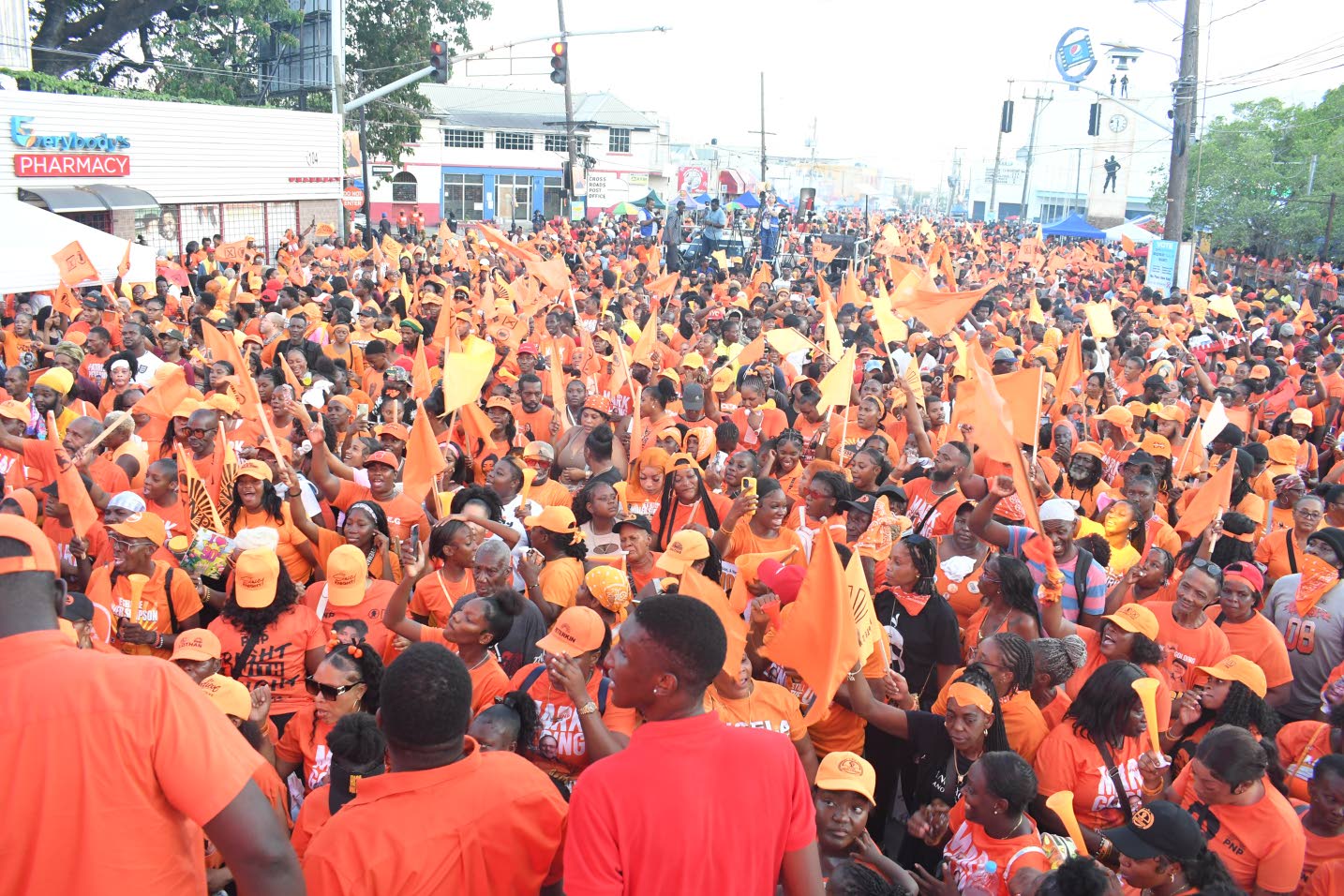
People’s National Party supporters at a rally in Cross Roads, St Andrew ahead of the September 3, 2025 General Election. (Photo: Karl Mclarty)
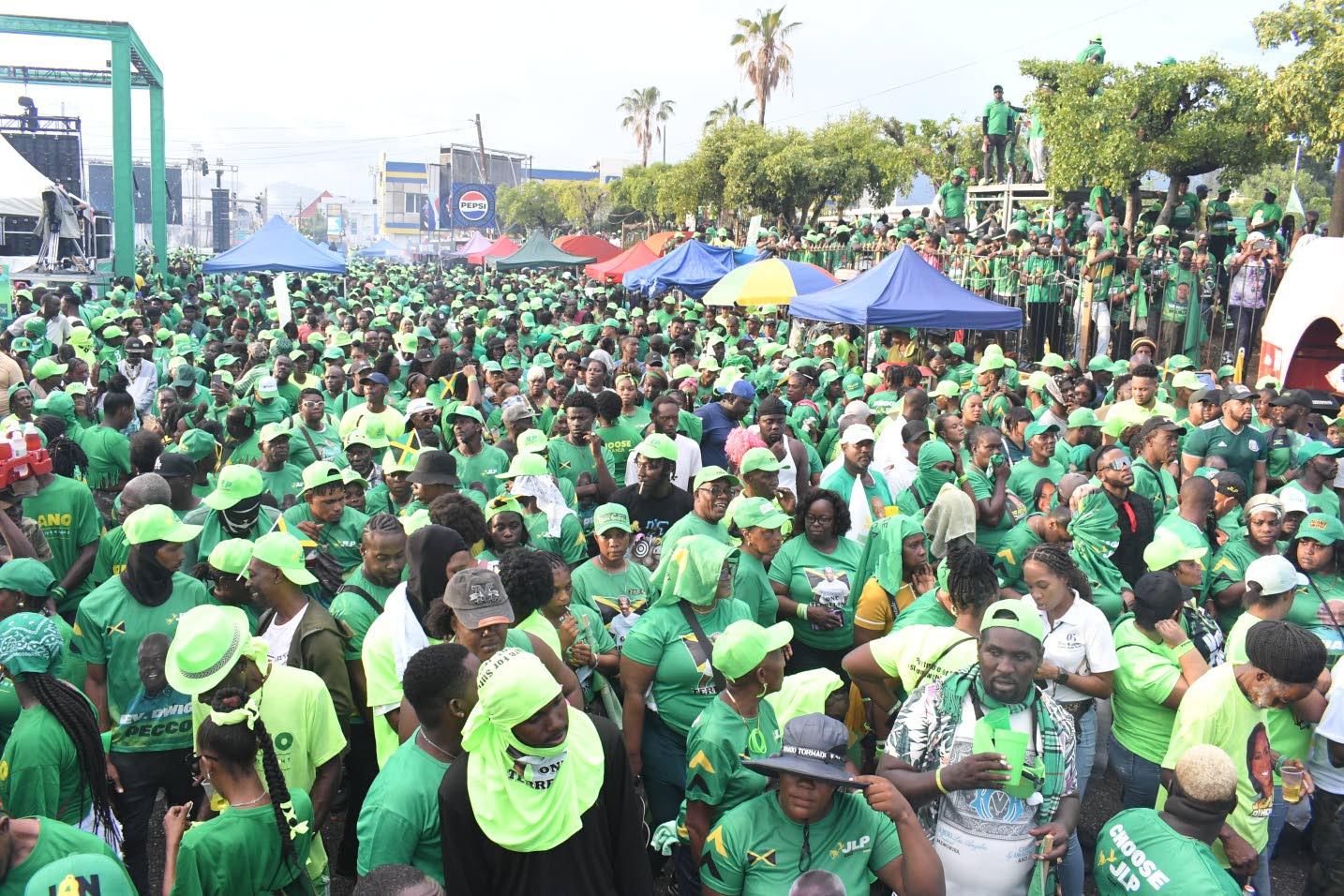
Jamaica Labour Party supporters at a mass rally in Half-Way-Tree, St Andrew last month ahead of the September 3, 2025 General Election. (Photo: Karl Mclarty)