



Food Recalls: What Every Consumer Needs to Know
With the recent recalls in our local market and the clear knowledge gap among consumers on how to respond, this article aims to demystify food recalls — what they mean, how they work, the different types, and the steps Jamaicans should take to stay protected.
Food is at the centre of our lives, but sometimes the very products meant to nourish us can pose unexpected dangers. Around the world, recalls have become increasingly common, with eggs, shrimp, ice-cream, and even soda pulled from supermarket shelves in just the last year. For Jamaica, this issue is especially important: Much of our food is imported and recalls abroad often have a direct impact on what ends up in our homes. Yet, many consumers misunderstand what a recall actually means, leading to confusion, unnecessary fear, or worse — continued consumption of unsafe food.
A food recall is the removal of unsafe products from the market to protect consumers. This may be triggered by contamination, incorrect labelling, or the presence of foreign objects. Crucially, recalls are usually limited to very specific production lots or batches, identified by numbers or dates printed on the packaging. Unfortunately, the public often assumes that a recall affects an entire brand, leading to unnecessary fear and avoidance of perfectly safe products. Understanding the lot-specific nature of recalls is essential for making informed decisions.
Types of Food Recalls
Not all recalls are the same, and understanding the differences helps consumers respond appropriately. Generally, recalls are categorised into three classes based on the level of risk to human health:
• Class I – The most serious type. These involve products that could cause serious health problems or death if consumed. Examples include foods contaminated with deadly pathogens like Listeria or undeclared allergens such as peanuts.
• Class II – These involve products that may cause temporary or reversible health problems, or where the risk of serious harm is remote. For instance, food with incorrect labelling of ingredients that are not major allergens may fall here.
• Class III – The lowest risk level. These recalls cover products that are unlikely to cause health problems but still violate regulations, such as minor labelling errors or packaging issues.
By knowing the recall class, consumers can better gauge the urgency of action required. Even in Class III cases, however, it is important to follow instructions, as compliance helps strengthen the overall food safety system.
The Growing Number of Food Recalls
The statistics tell a story of increasing vigilance — and increasing risk. In 2024, regulators in the United States recorded nearly 300 recalls, a rise compared to the previous year. These recalls sickened almost 1,400 people — more than 400 of whom required hospitalisation. Tragically, 19 people died, more than double the number of deaths reported in 2023. The financial cost was also staggering, with nearly two billion US dollars lost to withdrawn products, litigation, and brand damage. The majority of recalls were linked to undeclared allergens, followed closely by microbial contamination such as Salmonella, Listeria, and E. coli. Others were caused by chemical contamination, mislabelling, or foreign objects.
System Failure or Better Detection?
The rising number of recalls has sparked debate. Does this mean that food systems are failing, or that detection is improving? In reality, both perspectives are true. On one hand, advanced surveillance tools like whole genome sequencing allow regulators to pinpoint contamination sources with far greater precision than ever before. International databases connect outbreaks across borders, and many companies now issue precautionary recalls even before illnesses are confirmed. On the other hand, the fact that allergens remain the single leading cause of recalls, and that the same pathogens and even the same companies appear repeatedly, shows that weaknesses in labelling, sanitation, and supply chain management remain persistent.
The Global Recall Landscape and Jamaica’s Reality
Most recalls occur in developed countries such as the United States, Canada, and the United Kingdom, where regulators have the resources and technology to detect problems quickly. For Jamaica, this creates unique challenges. A significant portion of our food is imported from these markets, meaning that when products are recalled overseas, they may already be on our supermarket shelves. There is often a time lag between the announcement of an international recall and the withdrawal of affected products locally. Even more concerning, smuggling and informal trade bring in food products that bypass border inspections altogether. If a product under recall abroad enters the Jamaican market through unofficial means, local agencies may not even be aware of its presence and therefore cannot warn the public. In these cases, consumers are left completely unprotected.
The impact is twofold: Recalls abroad can directly affect what we eat at home, and gaps in communication or enforcement make us more vulnerable to unsafe products. This is why it is so important for Jamaicans to stay informed about international recalls, not just local alerts.
What To Do If a Recall Affects You
What should you do if you hear about a food recall? The first step is to verify whether the recall applies to the exact product in your home. This means checking the brand name, product description, lot number, and expiration date against the official recall notice. If your product matches, do not consume it. Instead, follow the instructions provided, which usually involve returning the item to the store for a refund or disposing of it safely in a sealed bag. After handling the recalled food, clean and sanitise any surfaces or utensils it touched. If you have already eaten the product, monitor your health closely. Symptoms such as diarrhoea, vomiting, fever, or allergic reactions should not be ignored, and medical advice should be sought promptly — particularly for children, the elderly, pregnant women, and those with weakened immune systems.
Consumer Tips for Food Recall Awareness
Consumers can also take preventive steps to reduce their risk. Purchasing food from regulated sources rather than informal or smuggled suppliers is one of the most effective protections. Staying informed by subscribing to recall alerts ensures you are not caught off guard. Finally, even outside of recall events, practising safe food handling — washing hands, cooking food to the correct temperatures, and avoiding cross-contamination — reduces the chance of illness.
Conclusion
Food recalls are never pleasant news, but they play an essential role in protecting public health. The increase in recalls should be seen both as a sign that regulators are catching more problems and as a reminder that weaknesses remain in our global food system. For Jamaica, the lesson is especially clear: Because we depend heavily on imported food, and because smuggling remains a reality, consumers must be proactive. Understanding that recalls are lot-specific, staying alert to both local and international alerts, and making smart choices about where food is purchased are all critical steps.
Ultimately, food safety is a shared responsibility. Regulators must enforce standards, industry must prioritise prevention, and consumers must remain informed and vigilant. When each part of the chain plays its role, we are all better protected and better able to trust the food that reaches our tables.
____________________
About the Author
Allison Richards is a food safety communicator and the founder of The Food Safety Girl, a consumer awareness platform dedicated to promoting food safety in Jamaica. She is also the host of The Big Bite Food Safety Show, a radio programme that educates listeners on food safety issues. With over 14 years of experience in food safety regulation, Allison is passionate about empowering consumers and industry stakeholders to make informed choices that protect both health and the environment.
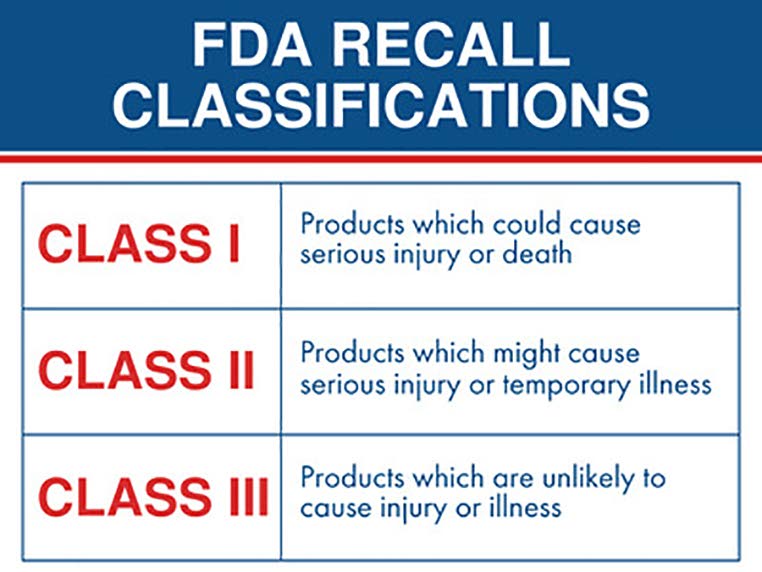
Not all recalls are the same. Generally, they are categorised into three classes based on the level of risk to human health..

Allison Richards | thefoodsafetygirlja@gmail.com.


