



Derrimon targets debt reduction amid financial strain
AFTER a punishing year marked by a $616-million net loss, mounting debt, and the prolonged shutdown of its US stores, Derrimon Trading Limited is trying to steady its footing, reopening its wholesale operations in New York in August 2025 and rebranding Good Foods for Less and Food Savers to Sampars Brooklyn.
“When you get into a loss situation, or you lose 20 or 25 per cent of your revenue, you run the risk of breaches to some of those contracts [loans]. Yes, we were in breach of some of those contracts,” Ian Kelly, chief financial officer & divisional director, Sampars, admitted to shareholders during the company’s recent annual general meeting.
The group closed 2024 with total borrowings of $5.05 billion, up from $3.99 billion the previous year, giving it a gearing ratio of 46 per cent. Within its long-term loans, the company disclosed three separate facilities from the Inter-American Development Bank amounting to $156.4 million, $601.4 million and $179.1 million, a combined $937 million. Recognising that the company would be unable to repay its debt, it addressed the issue head-on by meeting with its audit committee to identify where the breaches occurred. A plan was then developed, signed off, and discussed with creditors. Given its forthrightness with the institutions, Derrimon Trading was able to restructure and secure waivers from all institutions for the 2025 financial year. He also noted that its executives met with the Inter-American Development Bank (IDB) in August, and despite its challenges, none of its loans have been in difficulty.
“We have a plan, and we cannot speak to some elements of the plan, but what I can say to you is that you will see some changes over the next few months as we go about deleveraging our balance sheet to a level we think is adequate,” Kelly assured.
The company suffered losses when its New York-based Food Savers and Good Food for Less retail operations, incorporated as Marnock LLC and Marnock Retail LLC, were severely disrupted due to damages to the store’s roof in March 2024. This occurred while the landlord conducted renovations to the property. The improper repairs caused significant water damage which impacted its wholesale and retail operations, inventory, refrigeration units, and key infrastructure. This forced a full shutdown of operations for approximately nine months. Although the company reopened its supermarket in November last year, during the closure Derrimon Trading was unable to generate revenue, contributing to an 18.83 per cent decline in revenues to $15.2 billion. Yet operating expenses, including rent, utilities, salaries and legacy debt, continued to accumulate.While Derrimon Trading held commercial insurance coverage, its claim was denied by the carrier, and the company is now pursuing legal and administrative avenues to have the matter resolved.
“There’s a lot of back and forth between issuers and ourselves,” Executive Chairman Derrick Cotterell told shareholders. “We’ve hired professionals to deal with it because we are not experts in insurance, nor are we the experts in that jurisdiction.”
Cotterell further shared during the AGM that revenues have been slow but encouraging, as during the closure customers had found new places to shop. He noted, however, that the company has managed to win back some of those customers and said the good news is that sales are improving every week. The New York operations cater to the Caribbean and African diaspora, and between late October and November, Derrimon will roll out major promotional activities to drive sales closer to the Thanksgiving season. He explained that promotions were initially delayed to focus on reopening the business.
Derrimon Trading is now also turning its attention to water production through the rebrand of its Refresh Water line, having seen its success locally.
“I’m driving through Half-Way-Tree, and I see our vendors, and they are selling Refresh; previously it was another ‘Wata’ brand, but now we’re seeing Refresh,” said Kelly. “I’m getting calls from the schools and the entertainment space, and that speaks to the fact that we have a product that is in demand and that we are to be proud of.”
The company started its water plant earlier this year and, with demand growing rapidly, now faces a shortage of staff to operate the facility at full capacity. As a result, the team is exploring a 24-hour operation of the plant to keep up with demand.
“It is a good look and a good problem to have,” he told shareholders.
Given its challenges throughout the year, no dividend was paid during the year as the company continues to build out its base for the longevity of the organisation.
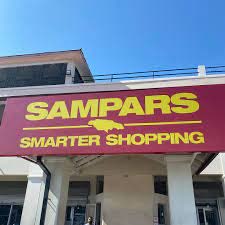
Derrimon Trading reopened its New York wholesale in August 2025, rebranding as Sampars Brooklyn.
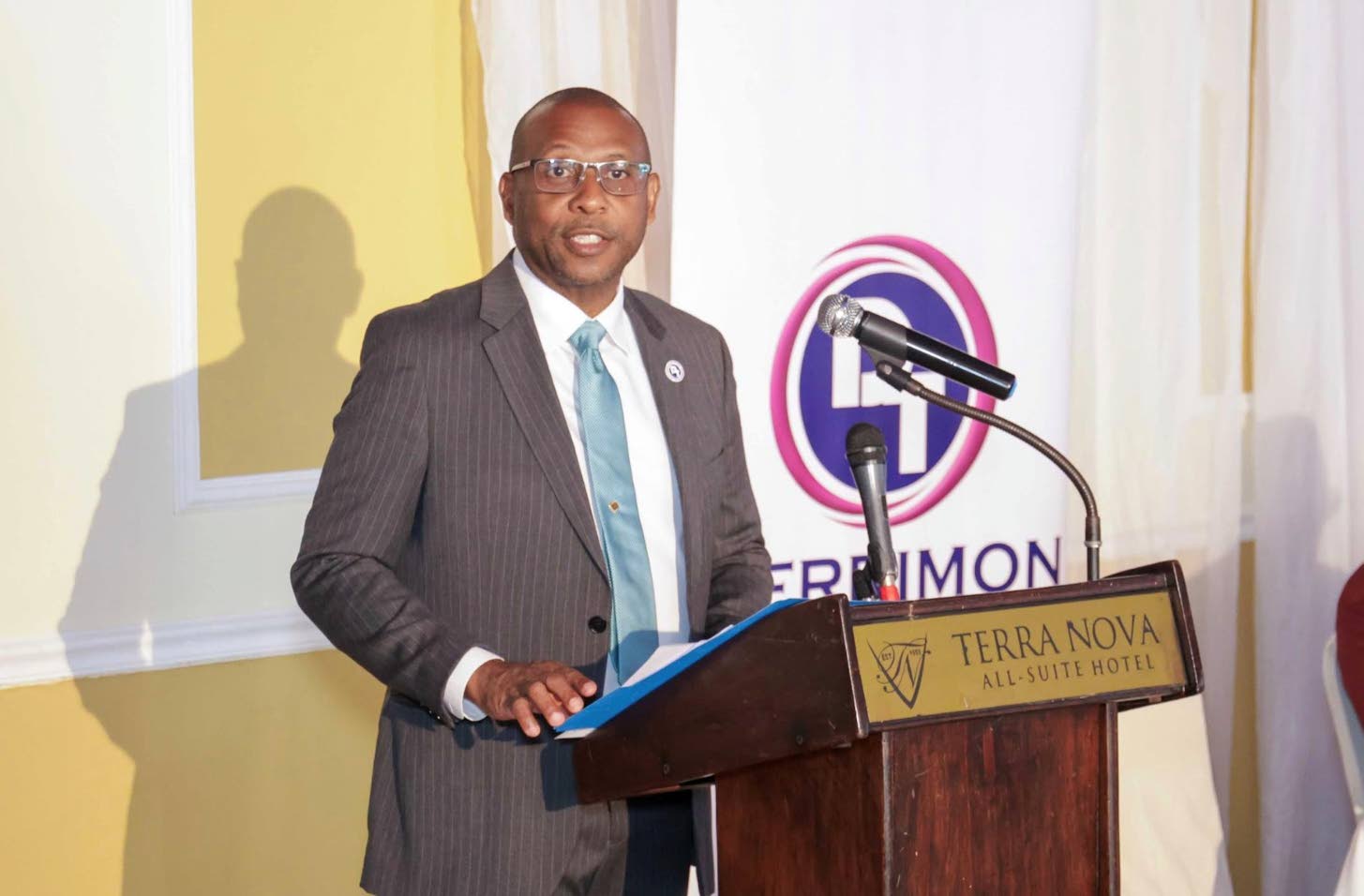
Derrimon Trading Executive chairman Derrick Cotterell.


