



MEN IN LOCKS
Four sporting once-scorned hairstyle take their seats in Parliament
FOR the first time in Jamaica’s history four male parliamentarians are sporting dreadlocks — a powerful sign, some say, of the growing acceptance of the hairstyle, the country’s Afro-identity and Rastafarian culture at large.
The Opposition benches have first-time Member of Parliament (MP) Isat Buchanan and Damion Crawford in the House of Representatives, with Allan Bernard in the Senate.
On the Government side Alando Terrelonge kept his dreadlocks as he was sworn in for the third consecutive term.
Speaking with Jamaica Observer outside Gordon House on Thursday attorney-at-law Buchanan, the new MP for Portland Eastern, argued that the hairstyle, and its wearers, have historically faced harmful and stereotypical rhetoric, making their presence in the legislative branch of Government a significant development in Jamaica’s journey of acceptance towards Afro-centric cultural practices.
According to Buchanan, the representation of all communities in Jamaica is important, and he is happy with the progress the country has made in that regard.
“Jamaica has come a far way, and being one of the attorneys that took the Government to court about Rastafarian hair, dreadlocks hairstyle, and Afro-identity — to be able to represent, as you can see, is something major for me.
“You see, Afro-identity, and Rastafari, is important to the culture and the history of Jamaica and we must not forget all of the trials and tribulations that the Rastafarians went through,” said Buchanan as he pointed to the troubled past associated with not just with hairstyle but Jamaicans of the Rastafarian faith.
He added that this was another great step of promoting equality and unity among Jamaicans and argued that neither cultural background nor personal preferences should hinder one’s progression in life.
“The possibilities are endless. The sons and daughters of Jamaica, we are all equal. It doesn’t matter where you come from or what has happened to you in your life, be the best versions of yourself. I’m also a Maroon, so I’m proud to be in the Parliament representing, because representation matters,” added Buchanan.
Crawford, the new MP for St Catherine North Western, who sported dreadlocks before his entry into politics more than 15 years ago, told the Observer that the representation of Afro-centric culture in Government was important.
“This is a representation of what Jamaica is, and we have even had two as junior ministers — I was a junior minister and Alando Terrelonge was also a junior minster. So, fortunately, we have moved from only black being accepted to now Jamaicaness being accepted,” said Crawford.
He argued that as time progresses and the image of dreadlocks is further accepted, more people from that background will also envision themselves in places of authority.
But president of the Universal Negro Improvement Association and African Communities League Steven Golding has cautioned against conflating those who wear dreadlocks as a stylistic choice with Rastafarians whose religion faced persecution from the Jamaican Government.
“For me, I am very clear; the people should understand that Rastafari is a religion. It is not just a style or a way of life. Rastafari is based in the belief and divinity of Haile Selassie… I don’t know of any of the four men in Parliament wearing dreadlocks believing that,” said Golding.
He argued that while there is a benefit to more people accepting the dreadlocked hairstyle overall, and the harmful stereotypes losing their prominence, Jamaica has yet to see true Rastafarian representation in Government.
“The point I’m trying to make is, Jamaica needs to begin to be very clear in distinguishing between dreadlocks as a hairstyle and Rastafari as a religion and a movement. Is not every dreadlocks is a Rasta, and is not every Rastafari have dreadlocks,” he said.
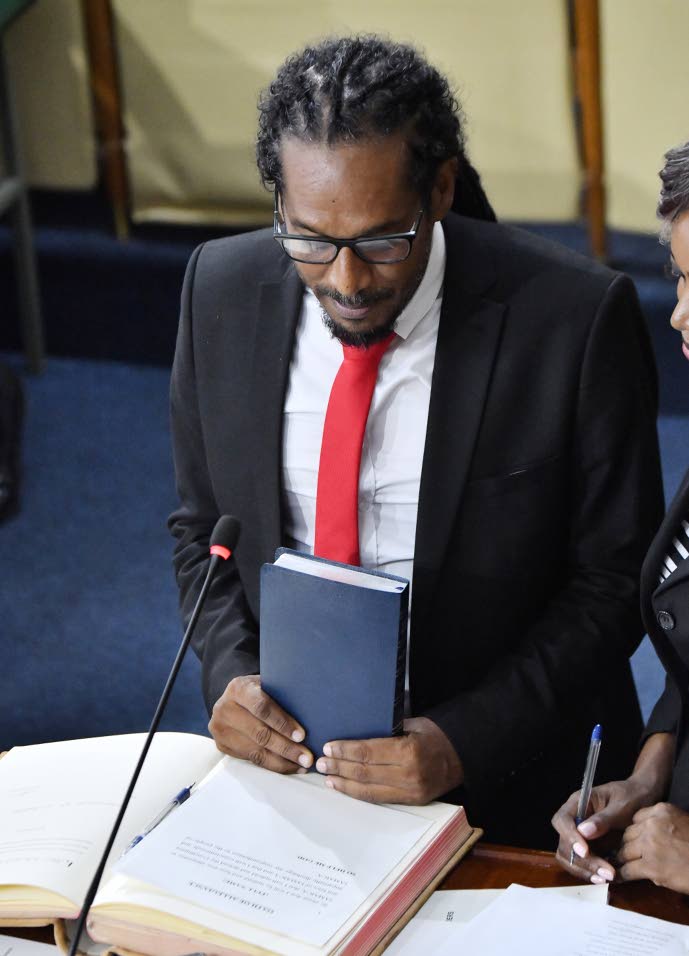
New Opposition Senator Allan Bernard being sworn in during Thursday’s opening of the new Parliament.
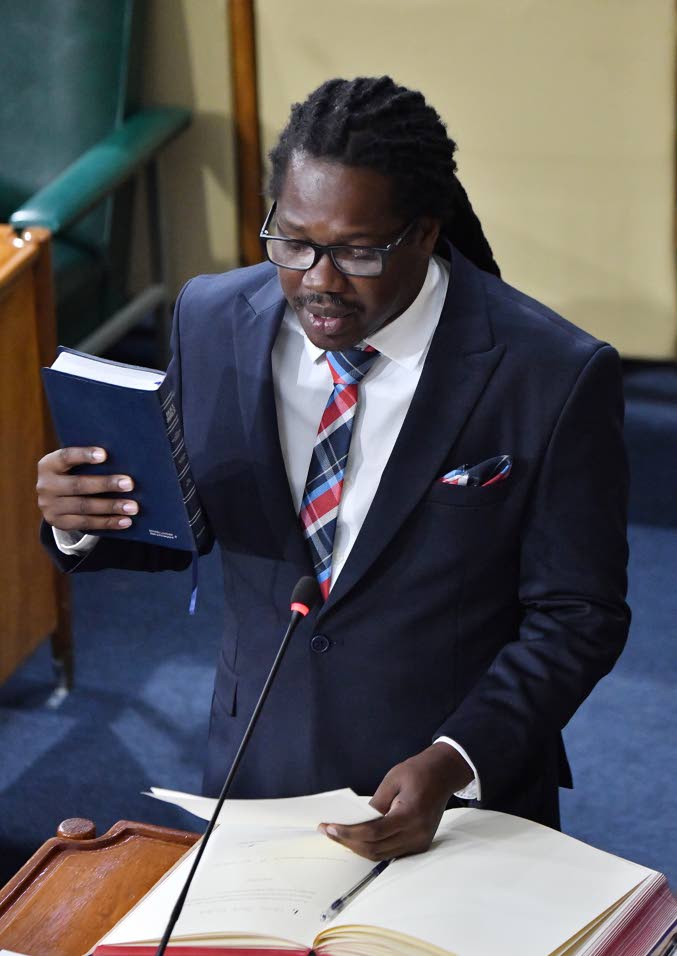
Opposition Member of Parliament Damion Crawford takes the oath of office in the House of Representatives on Thursday.
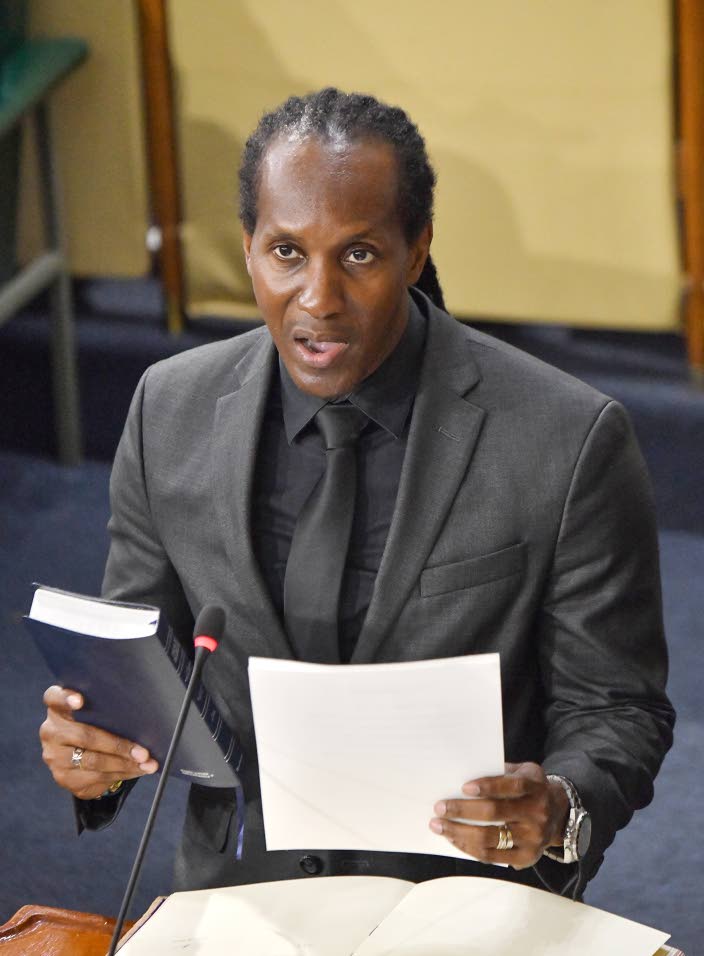
Third-term Government Member of Parliament Alando Terrelonge takes the oath of office in the legislature on Thursday.


