



From Aisle to Fridge: How to Grocery Shop the Safe Way
Grocery shopping is something we all do — some of us weekly, some daily — but few realise that the decisions we make while moving through the supermarket can affect the safety and quality of the food we bring home. From how we pack our carts to how we store our food in the refrigerator, small steps can make a big difference. Here’s how to shop smarter and safer in today’s Jamaica.
Start with the Right Bags
With the ban on single-use plastic grocery bags now in full effect, most Jamaicans are using reusable shopping bags. While they are environmentally friendly and reduce plastic waste, these bags can also carry harmful bacteria from one shopping trip to the next if they’re not used and maintained properly. To protect yourself and your family, it’s important to treat reusable bags as part of your food safety routine. Assign specific bags for different food categories — use one exclusively for raw meats, another for fruits and vegetables, and others for dry goods or ready-to-eat items like bread and cooked chicken. After each use, especially when carrying raw meats or produce, wash cloth or canvas bags with hot, soapy water and allow them to dry completely. How you store your bags matters, too. Avoid leaving them in the trunk of your car for days, where heat and moisture can promote bacterial growth. Instead, store them in a cool, dry area at home until your next shopping trip.
Packing Your Cart
Your shopping cart plays a surprisingly important role in maintaining food safety. Think of it as the first step in organising and protecting your groceries. Start by placing raw meat, poultry, and seafood on the lower section of the cart — ideally close to the metal rack or inside a separate bag — to reduce the risk of raw juices dripping onto other items. Ready-to-eat products, such as bread, cheese, and cooked foods, should be kept on the upper part of the cart, away from raw items. You can also use extra produce bags, paper towels, or other barriers to separate potentially risky items. Organising your cart this way also makes it easier to group similar items during checkout and bagging, which speeds up the process and maintains better control of food safety throughout the shopping trip. Also, store food items away from non-food items such as soaps and detergents. Be mindful of what your children or other shoppers touch while in the cart, and use a hand sanitiser before and after handling food packages.
Read Labels and Watch for Allergens
While shopping, take time to read product labels carefully. Labels provide vital food safety information, such as expiration or “best before” dates, storage instructions, and allergen declarations. If you, or a family member, have a food allergy, always double-check for common triggers like peanuts, soy, milk, wheat, eggs, fish, and shellfish — even on products you’ve bought before, since recipes and suppliers can change without notice.
Checking dates helps you avoid buying items that are close to expiry, which reduces waste and ensures fresher, safer meals. Remember, a few extra seconds reading the label can protect your health and prevent allergic reactions or foodborne illness.
Know Your Food Temperatures
Understanding how different types of cold foods behave is essential to protecting your health. Raw cold foods — such as fresh chicken, fish, or beef — contain bacteria that can multiply rapidly if they are not kept at a sufficiently cold temperature. These foods must be stored at or below 4°C (40°F) and should always be handled with care. On the other hand, cold cooked foods — such as ham slices, prepared salads, or cooked pasta dishes — are ready-to-eat and do not need additional cooking. However, they are still susceptible to contamination if they come into contact with raw meat juices or dirty packaging. That’s why it’s critical to keep these categories separate during shopping, bagging, and storage. Use leak-proof containers for raw meats whenever possible, and never place cold cooked items directly on top of or next to them. Being aware of these differences helps prevent cross-contamination and reduces the risk of foodborne illnesses.
Watch the Clock After Checkout
Once you’ve paid for your groceries, the window to keep food safe narrows. Perishable items should not be left unrefrigerated for more than two hours — and in warmer weather, this time drops to just one hour. The journey home is a crucial part of the food safety chain. If you drive, store cold and frozen items in an insulated bag or cooler box, and use ice packs for added protection — especially if your commute is long or if you plan to stop elsewhere before going home. For shoppers who rely on public transportation or walk home, extra planning is necessary. Use small cooler bags or insulated lunch bags to keep meats, dairy, and frozen goods cold. It’s also helpful to shop during the cooler parts of the day, such as early morning or late afternoon, to reduce the impact of heat. Ask your cashier to double-bag or paper-wrap raw meats and frozen foods to slow down temperature changes and avoid leaks that can contaminate other groceries or your reusable bags. The sooner you get your cold items into refrigeration, the better.
Load Your Refrigerator Properly
When you get home and start unpacking, be intentional about how you store each item. The refrigerator should be organised not just for convenience but for safety. Raw meats, poultry, and seafood belong on the bottom shelf, ideally in a tray or container to catch any leaks. This prevents juices from dripping down onto other foods and causing cross-contamination. Store ready-to-eat items like leftovers, cooked dishes, and dairy on the middle and top shelves where the risk of exposure to raw foods is lowest. Fruits and vegetables should go into the crisper drawers, but only after being cleaned and dried. Avoid storing eggs in the fridge door, where temperatures fluctuate most — keep them in their original carton on an interior shelf. Don’t overcrowd your fridge. Proper air circulation is essential for maintaining safe, consistent temperatures throughout the unit.
Finally, practise FIFO (First In, First Out) or FEFO (First Expired, First Out). Place newer items behind older ones so the ones with shorter shelf lives get used first. This not only helps reduce waste but also ensures you’re eating food while it’s still at its best quality and safety.
When in Doubt, Throw It Out
No one likes wasting food, but when it comes to safety, it’s better to be cautious. If an item feels warm to the touch, has been left out for more than two hours (or one hour on a hot day), or shows signs of spoilage like off smells or discolouration, it’s best to discard it. The risks of food poisoning — from bacteria like Salmonella, E. coli, or Listeria — are too serious to ignore. Remember that some dangerous bacteria don’t change the look, smell, or taste of food, so it’s not always obvious when something is unsafe. If you’re unsure about whether food is still good, the safest option is to throw it out. Keeping a regular inventory of your fridge and freezer, labelling items with dates, and rotating older items to the front can help reduce waste and make this decision easier.
The Bottom Line
Food safety doesn’t start in your kitchen — it starts at the grocery store. From the bags you use, to how you pack your cart, to the way you store items in your fridge, every decision can make a difference in protecting your health. Even simple changes like separating raw and cooked foods, checking labels for allergens, practising FIFO/FEFO, choosing the right time to shop, or cleaning your reusable bags regularly can significantly reduce your risk of foodborne illness. Whether you shop at a supermarket, a wholesaler, or a neighbourhood corner shop, the principles of safe food handling apply. As our food systems continue to evolve and consumer habits shift, staying informed and proactive is the best way to keep your meals not only delicious but safe.
About the Author
Allison Richards is a food safety communicator and the founder of The Food Safety Girl, a consumer awareness platform dedicated to promoting food safety in Jamaica. She is also the host of The Big Bite Food Safety Show, a radio program that educates listeners on food safety issues. With over 14 years of experience in food safety regulation, Allison is passionate about empowering consumers and industry stakeholders to make informed choices that protect both health and the environment.
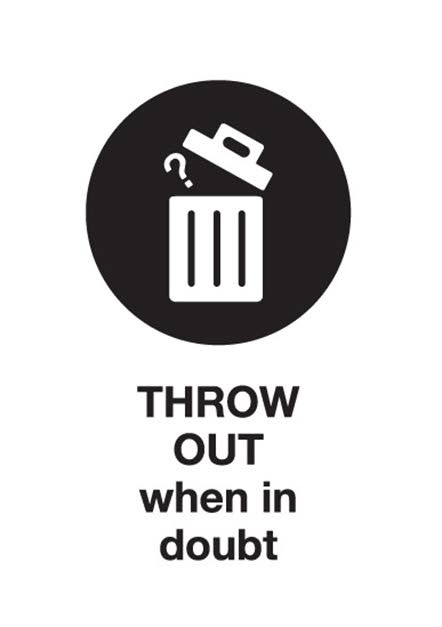
When in doubt, throw it out..
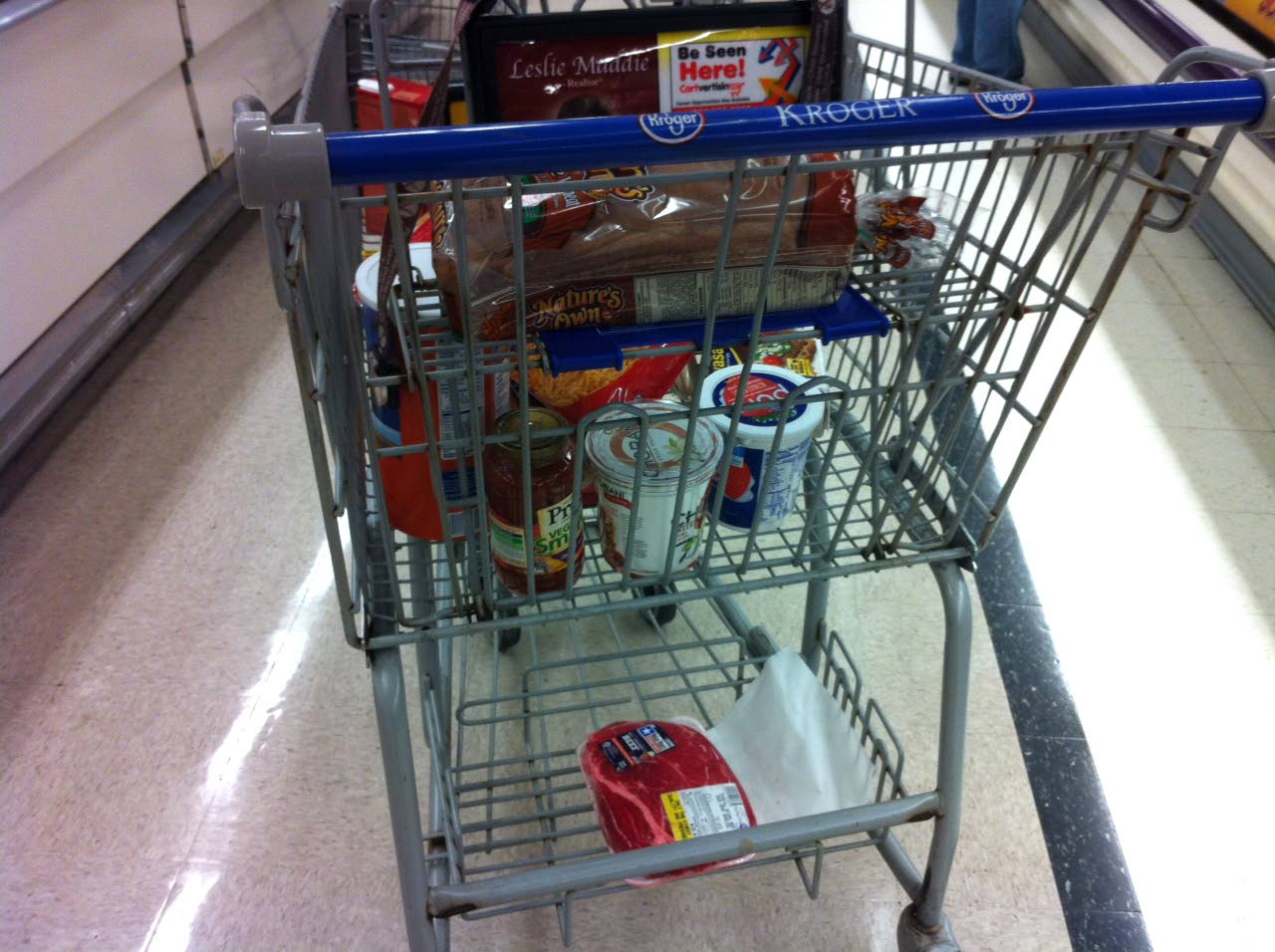
Pack your shopping cart the smart way by placing raw meat, poultry, and seafood on the lower section of the cart..
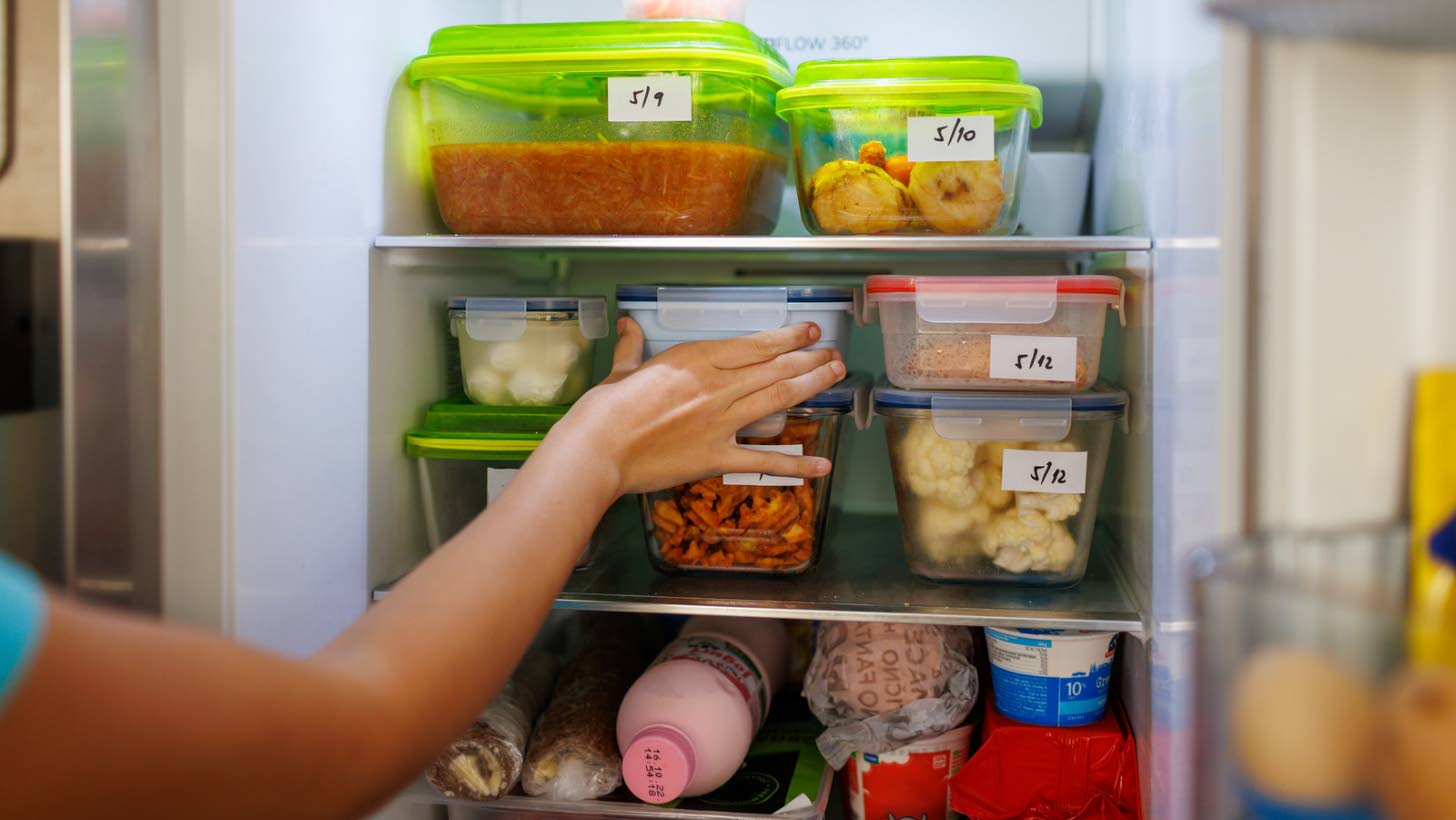
Labelling items with dates, and rotating older items to the front can help reduce waste and make the decision of discarding easier.
Allison Richards thefoodsafetygirlja@gmail.com.


