



Silver Stunners From South America
South America’s 2025 Decanter World Wine Awards’ (DWWA) results unveiled a tapestry of silver-medalled wines, 381 in total, that map the continent’s vine diversity. These wines represent regions pushing boundaries, indigenous varietals reimagined, and winemaking techniques illuminated under rigorous blind tasting. Silver medals, in this case, do not mean ‘nearly there’; they mean narrative, terroir, and promise, guiding enthusiasts, collectors and travellers to new frontiers and flavour revelations in wine. Thursday Food enlisted the help of Anetza Concierge, curators of bespoke wine experiences in Argentina, to trace these silver stunners across Argentina, Brazil, Chile and Uruguay through numbers grounded in medals awarded.
Among the silver medals awarded to South American countries, 192 went to Argentina, Brazil got 48, Uruguay won eight and Chile rounded out the region’s ‘big four’ with 133 medals. This performance served as confirmation of the southern continent’s viticultural depth and prowess, beyond its gold and platinum levels, reflecting both volume and excellence. In Brazil, silver medals were awarded to producers in southern cooler zones such as Planalto Catarinense, with reds showing freshness and whites elevated by altitude. Across Chile’s silver medallists are wines from Maipó Valley, Atacama, Secano Interior with varietals such as Syrah, Chardonnay, and Carmenère achieving stylistic grace. For Uruguay, their eight silver medals include entries in Tannat and white vintages that excel under coastal influence.
Argentina’s silver medallists include fine Malbecs from Mendoza’s Uco Valley, structured Bonardas, and floral-lifted Torrontés from high elevation regions. This varietal spread among the silver medallists shows both clarity and tension in the wines that are being produced by the country. In fact, the broader impact of these medallists across these four countries is an indication that South America has long moved on from being occasionally brilliant in the world of wine. Instead it is a declaration of strength from the continent as a producer of mid-to-upper tier wines, which broadens brand credibility and export potential. The spread of medals among Argentina, Chile, Brazil and Uruguay affirms that quality is not isolated to flagship labels but is increasingly distributed through lesser known regions and varietals. This recognition serves to open doors in export and trade contexts, while signalling for wine travellers that wines unite value and place.
For those seeking to plan their next great wine adventure, have no fear, Thursday Food has you covered, thanks to Anetza Concierge, as we explore six of the medallists whose wineries are absolutely worth your next trip to South America:
Cerro Negro Open Barrel, by Uruguay’s Viña Edén, is a red wine blend, having a intense violet colour with reddish highlights, that includes 37 per cent Tannat, 31 per cent Merlot and 32 per cent Marselan grapes. Made from vineyards in Maldonado, this 93-point wine expresses aromas on the nose that are meaty and savoury with dark bramble fruit as well as leathery undertones. Its lovely texture shows tension and a vibrant freshness in the mouth which translates to a balanced harmony, vibrant acidity along with a richness that unfolds in notes of spices and ripe fruit.
Escudo Rojo Gran Reserva Cabernet Sauvignon by Baron Philippe de Rothschild Chile scored 90 points at the 2025 DWWA. Made in Maipo from 100 per cent varietal grapes, the wine has a lovely colour that is dense and deep with a slight ruby tint. Its aromas are full and generous on the nose, revealing attractive blackcurrant, liquorice as well as cherry brandy notes with spicier touches of nutmeg. Round and rich on the palate, its chocolate, vanilla, caramel and pepper notes are underpinned by a stylish tannic structure, powerful but restrained, that end in a long, full-bodied and expressive finish.
Salton Prosecco Glera by Família Salton in the Serra Gaúcha region of Brazil is made from 100 per cent Glera (also known as Prosecco) by a winery that has been a leading winemaker in that country for over 112 years. Scoring 90 points, this sparkling wine is light and refreshing while exhibiting citrus, white fruits and pink rose aromas. It combines creaminess and excellence, representing a perfect expression of the potential of sparkling wines from Serra Gaúcha, and is easy to drink with a harmonious sweetness.
The President’s Blend, by Escorihuela Gascón, is a red blend from the El Cepillo area of San Carlos Mendoza that is made using 85 per cent Malbec, 10 per cent Cabernet Sauvignon and five per cent Syrah. Deep and bright violet red in colour, this 90-point wine expresses complex atoms on the nose reminiscent of red berries and blackberry jams on a balsamic background. Plums, cherries, blackberries, and blueberries are some of the fruits that blend with the toasted hints of aging and sweet spices. In the mouth, it is balanced, broad, and juicy with a restrained palate that exhibits a rich presence of red fruits as well as refreshing acidity. This wine’s firm, fine-grained tannins provide character and ensure a long finish.
El Interminable Blend Malbec is a 91-point, 100 per cent Malbec wine that is made from grapes grown in three separate regions of Mendoza: Agrelo, Altamira and Gualtallary. Produced by Bodega Sinfin, the wine’s appearance reveals its intensity through powerful colors in the deep red range. The nose exhibits aromas of red and black fruits, a characteristic never lacking in this type of wine, complemented by notes contributed by the oak, such as chocolate and smoke. The palate is structured, balanced, boasts balanced acidity, while having soft, gentle, enveloping tannins that leave a lingering aftertaste.
Altus Gran Reserva Chardonnay, a 93-point 100 per cent Chardonnay grape vintage by Gualtallary Wines in Tupungato, is an intense yellow color with golden highlights. On the nose it unfolds with aromas of white fruits, along with dairy and toasted notes. In the mouth, this Chardonnay is smooth and long, yet refreshing with a taste that is both harmonious and persistent in its finish.
South America’s silver medallists at the 2025 DWWA reveal landscapes of promise, be it vine-strewn hillsides in Argentina, coastal influence in Chile, altitude in Brazil, or the quiet but compelling presence of Uruguay. These wines are invitations to taste new varietals and explore remote wine regions while tasting the stories behind the grape. These silver stunners from the southern continent are now part of the evolving narrative of global wine excellence, worthy of your glass and particularly worthy of your wine journeys. Salud!

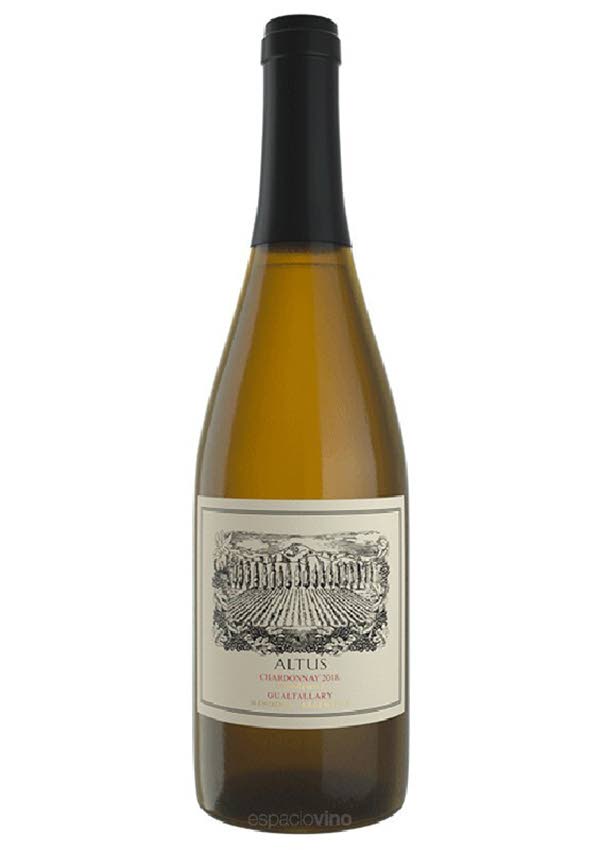
Altus Gran Reserva Chardonnay is a 93-point 100 per cent Chardonnay grape vintage by Gualtallary Wines. (Photo by Gualtallary Win)
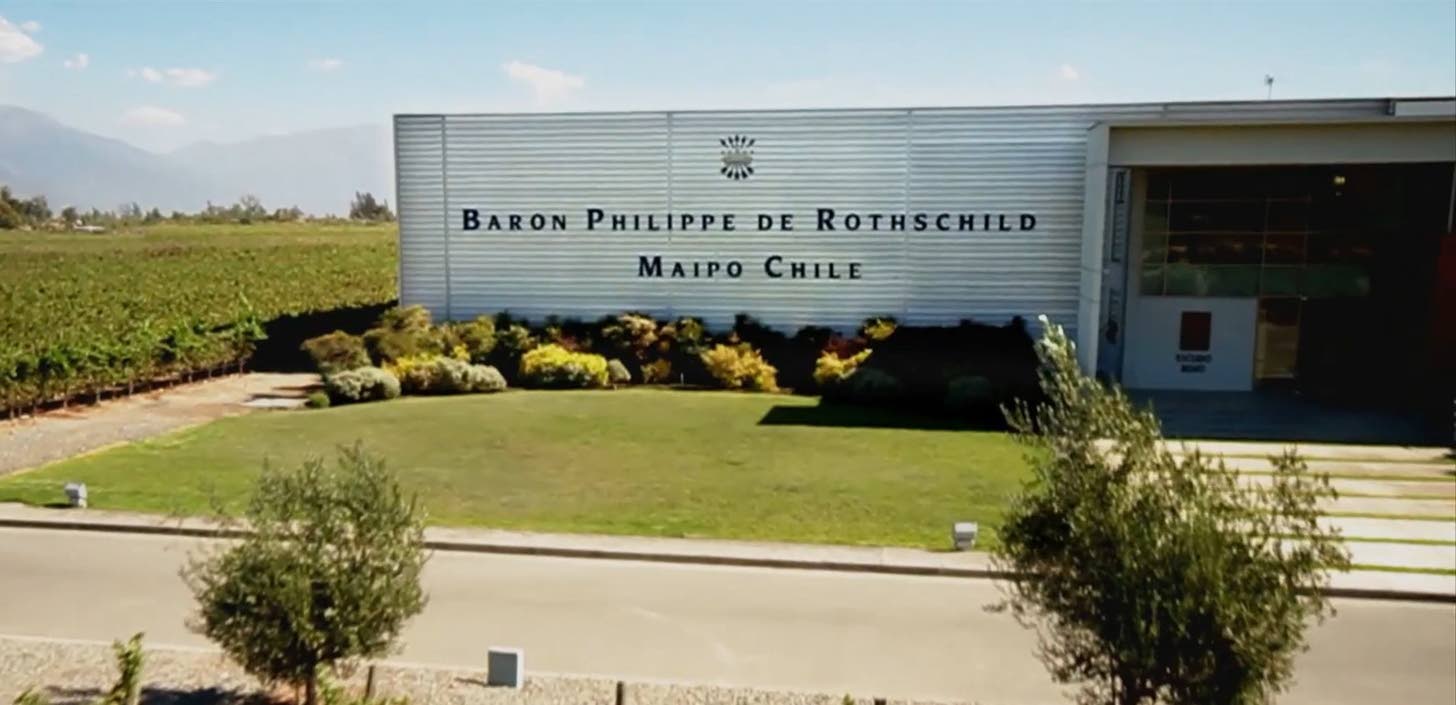
Baron Philippe de Rothschild Chile is located in the Maipo region. (Photo by Baron Philippe de Rothschild Chile)
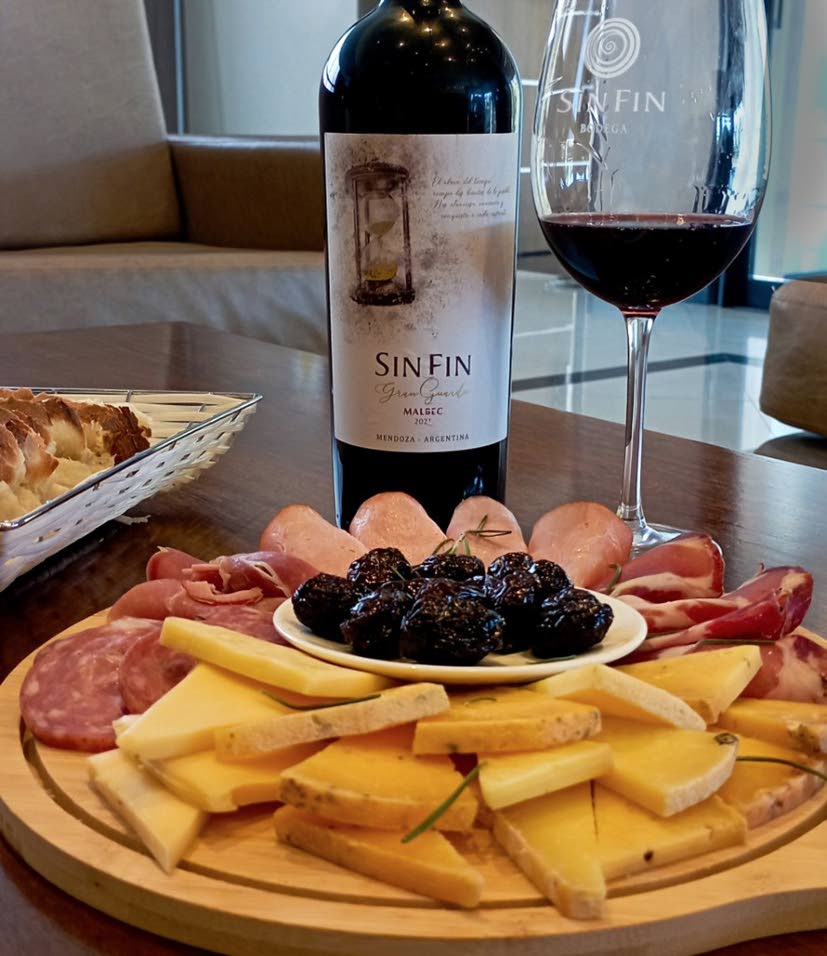
Bodega Sinfin’s wine experiences include tastings with aged cheeses and smoked meats, as well as cooking classes and sumptuous lunches. (Photo by Bodega Sinfin)
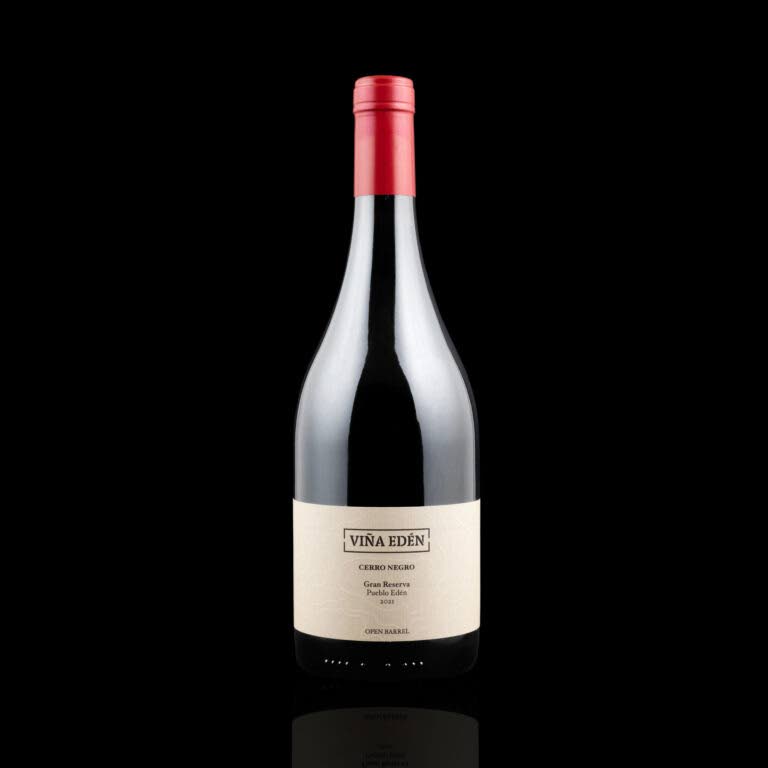
Cerro Negro Open Barrel by Uruguay’s Viña Edén is a red blend that scored 93 points at the 2025 DWWA. (Photo by Viña Edén)
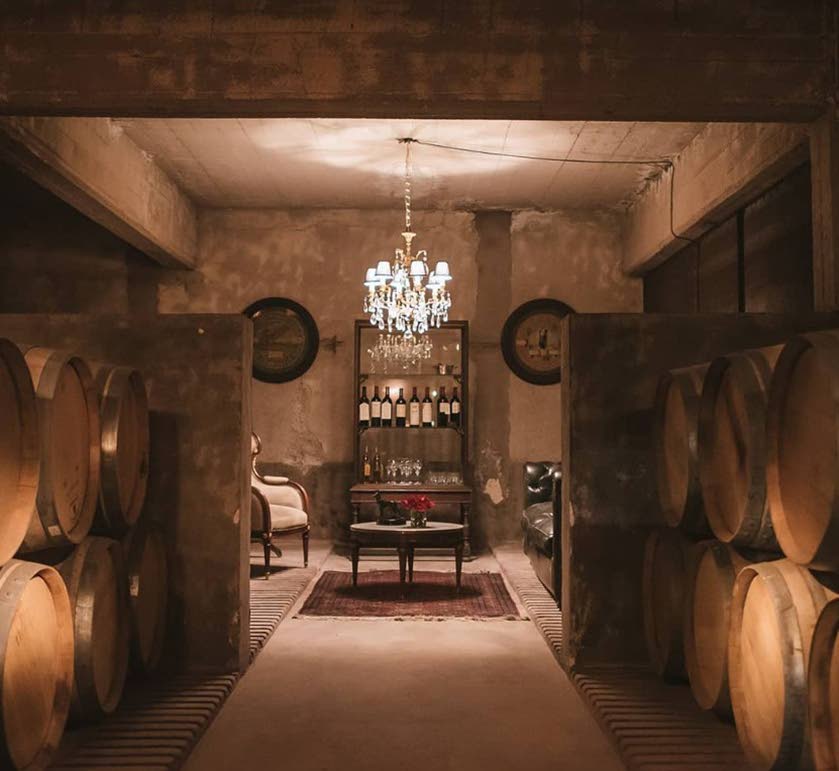
Escorihuela Gascón’s history in Argentina dates back 135 years. (Photo by Escorihuela Gascón)
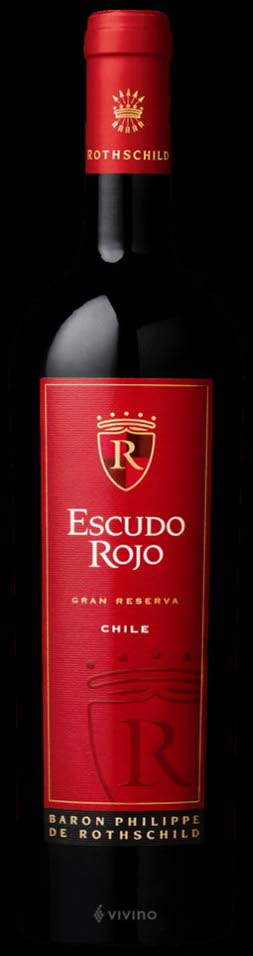
Escudo Rojo Gran Reserva Cabernet Sauvignon by Baron Philippe de Rothschild Chile scored 90 points at the 2025 DWWA. (Photo by Baron Philippe de Rothschild)
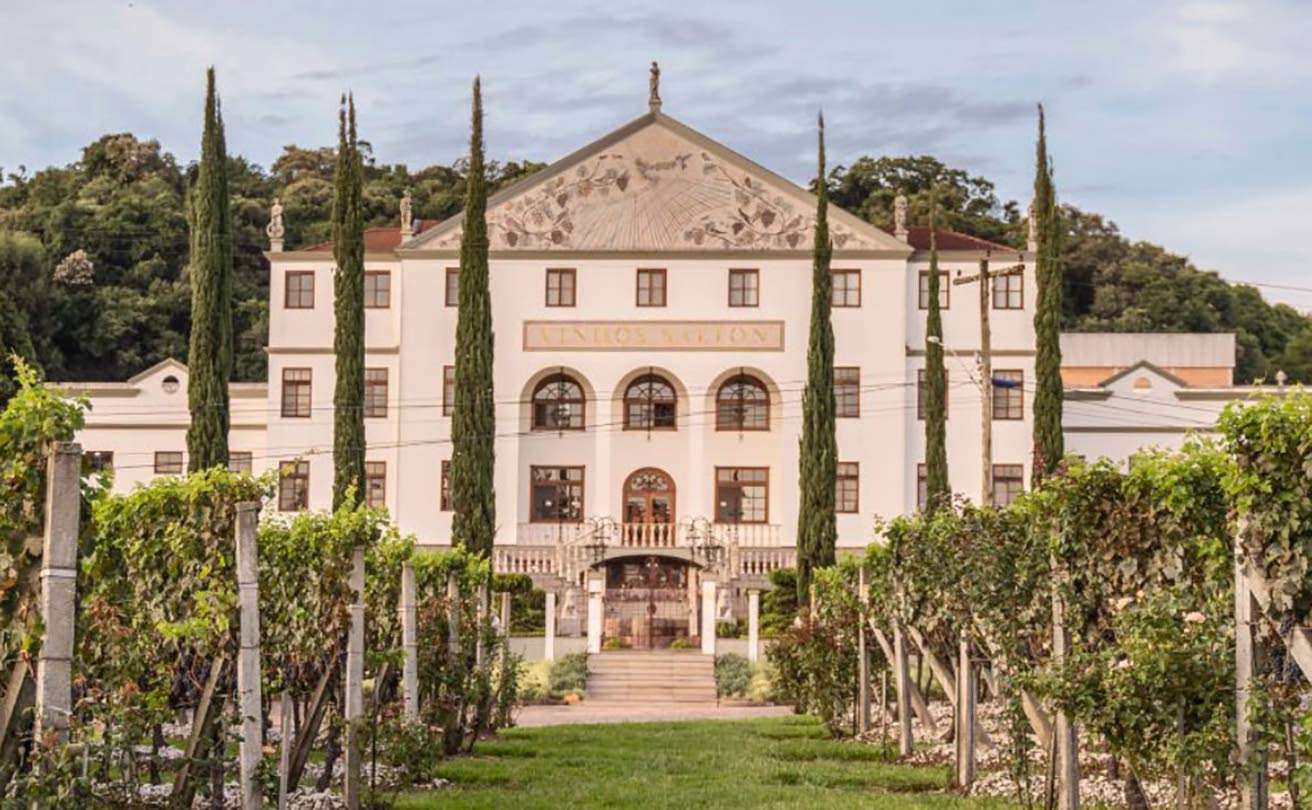
Família Salton in the Serra Gaúcha region of Brazil has been a leading winemaker in that country for over 112 years. (Photo by Família Salton)
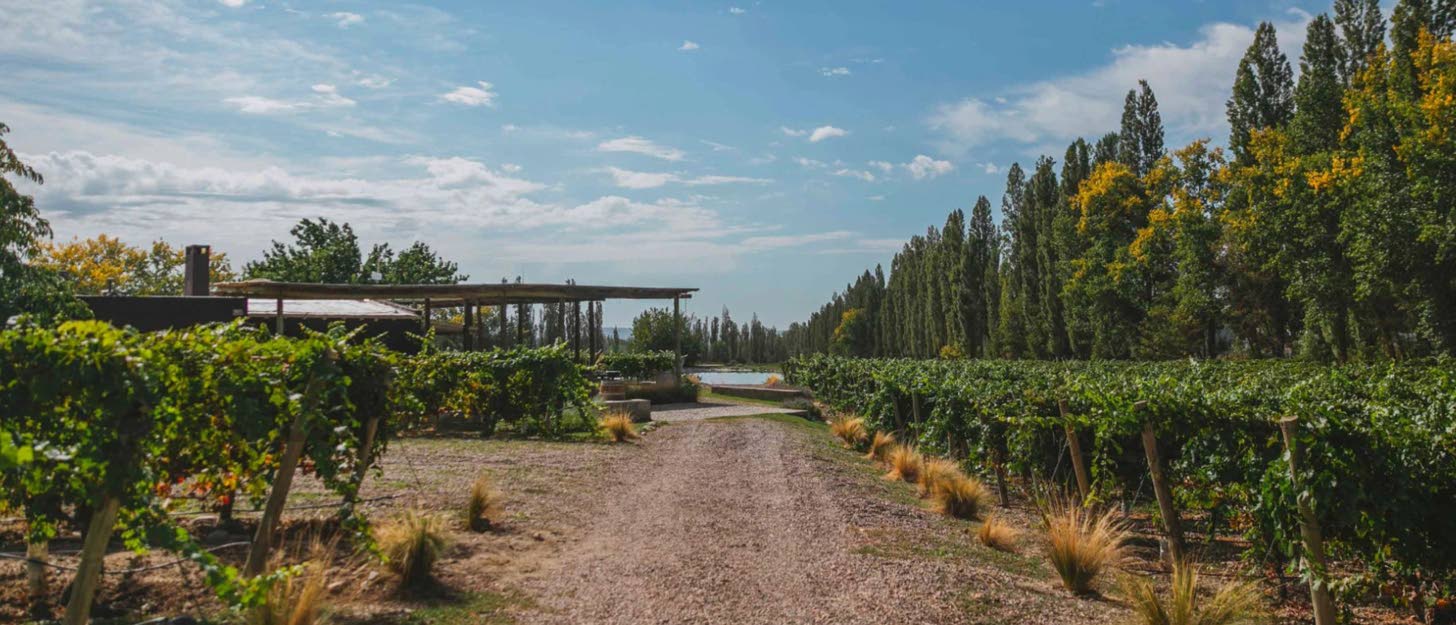
Gualtallary Wines’ Tupungato vineyards offer breathtaking views. (Photo by Gualtallary Wines)
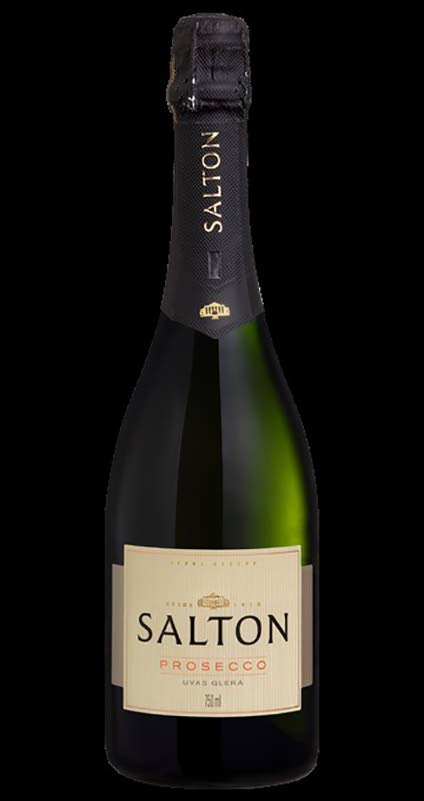
Salton Prosecco Glera by Família Salton in the Serra Gaúcha region of Brazil is made from 100 per cent Glera (also known as Prosecco).(Photo by Família Salton)
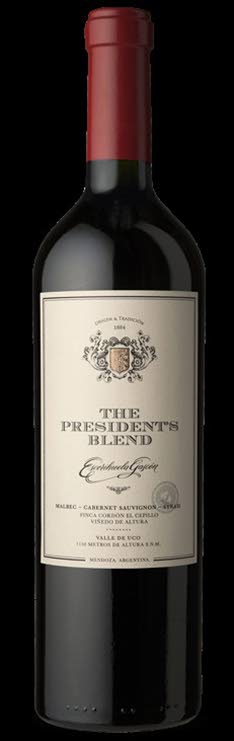
The President’s Blend by Escorihuela Gascón is a red blend from the El Cepillo area of San Carlos Mendoza. (Photo by Escorihuela Gascón)
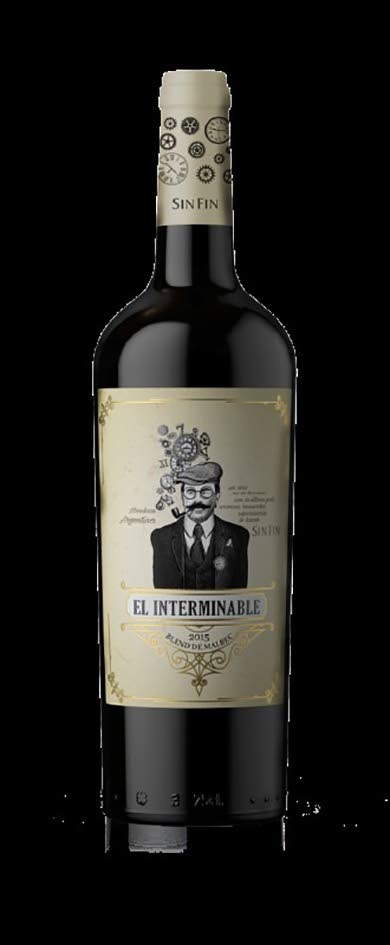
El Interminable Blend Malbec is a 91-point, 100 per cent Malbec wine that is made from grapes grown in three separate regions of Mendoza Agrelo, Altamira and Gualtallary. (Photo by Bodega Sinfin)


