



Internships teach job skills…and they should teach citizenship too
IN fragile communities small acts from businesses can carry outsized weight. A classroom repainted, a playground restored, and a mentorship programme launched — these gestures may not solve structural problems, but they send a signal: People are seen, valued, and worth investing in.
That signal builds trust. And trust is the foundation on which businesses and communities grow together. When companies invest their time and people in places often overlooked, they remind us that they are not distant corporations. They are neighbours.
I learnt this not from a textbook, but through my own experience. As a software engineering student, I joined Red Stripe’s summer internship expecting to sharpen my skills and build professional discipline. The lesson that stayed with me, however, came from a paintbrush.
At Seaview Gardens Primary School, my peers and I repainted classrooms, scrubbed floors, and moved out old furniture. By the end of the day, the space looked transformed. But the memory that stuck was a teacher’s gratitude. She told us she had wanted her classroom restored for years but never had the time or resources. To her, our work meant dignity and hope.
That day reframed how I saw giving back. Service doesn’t always require money or grand gestures. Sometimes it is about showing up, lending your time, and offering your hands. The effort felt small to us, but it mattered.
This was my first structured experience with volunteerism, and it changed the way I think about internships themselves. We often view them only as preparation for careers, résumés, technical skills, and polish. Mine showed me they can also prepare us for citizenship.
When businesses embed service into their culture, they are not only building employees. They are shaping people who understand that work and responsibility to community are inseparable. That connection is powerful, and once made, it is hard to unlearn.
This resonates strongly with my generation. Gen Z is stepping into the workforce with different expectations. We want to work for organisations that are committed to people as much as profit, that are transparent about their impact, and that make service part of everyday culture. If we are giving our energy and talent to a company, we want to know the company is giving back in meaningful ways.
That is why Red Stripe’s approach stood out. The programme could have focused entirely on technical projects and mentorship. Instead, community service was built in. That decision sent a clear message: Business success and community investment belong together.
Imagine if every internship treated service as seriously as technical training. Students would leave not only as stronger professionals but also as more grounded citizens. Communities would feel the ripple effect of small but meaningful acts. And companies would gain trust that no marketing campaign can buy.
As I continue my studies in software engineering, I think about the future I want to build. I want to innovate and solve problems, yes. But I also want to mentor, uplift, and create projects that matter to real people in real places. That ambition began not in a lab or lecture hall, but in a freshly painted classroom with children smiling and teachers giving thanks.
Internships will always help us prepare for jobs. They should also help us prepare for life. In fragile communities, the presence of businesses can be the difference between neglect and hope. By embedding service into opportunities for young people, companies do more than develop talent. They strengthen the social fabric itself.
The paintbrush in my hand taught me that. And it is a lesson I will carry long after I have written my last résumé.
Javaughn McGregor was a part of the Brewing Success Internship Programme at Red Stripe. The programme offers tertiary students, many of them children of Red Stripe employees, hands-on experience in their fields of study.
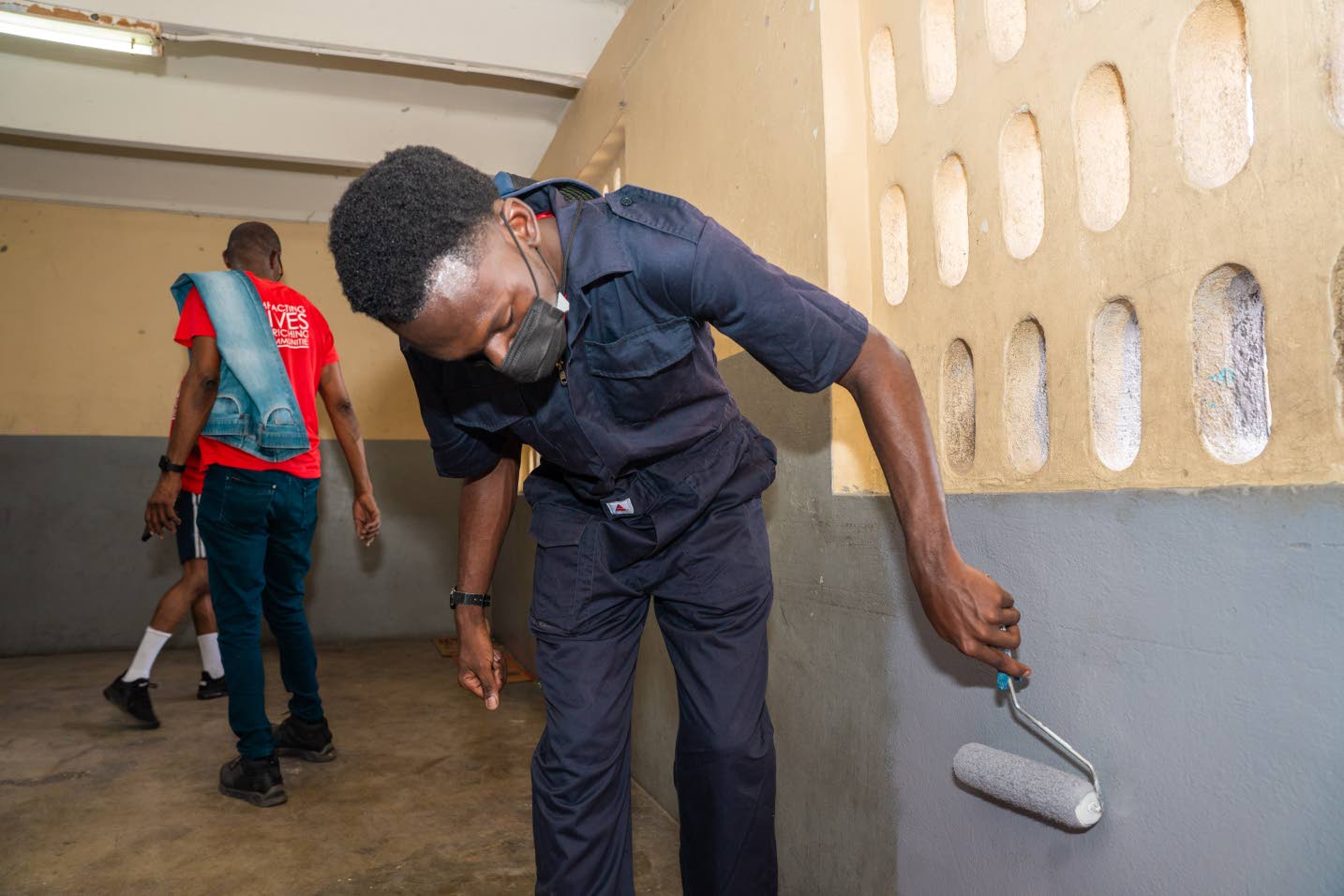
Focused and steady, Javaughn McGregor paints classroom walls at Seaview Gardens Primary as part of his community outreach during the Brewing Success internship.
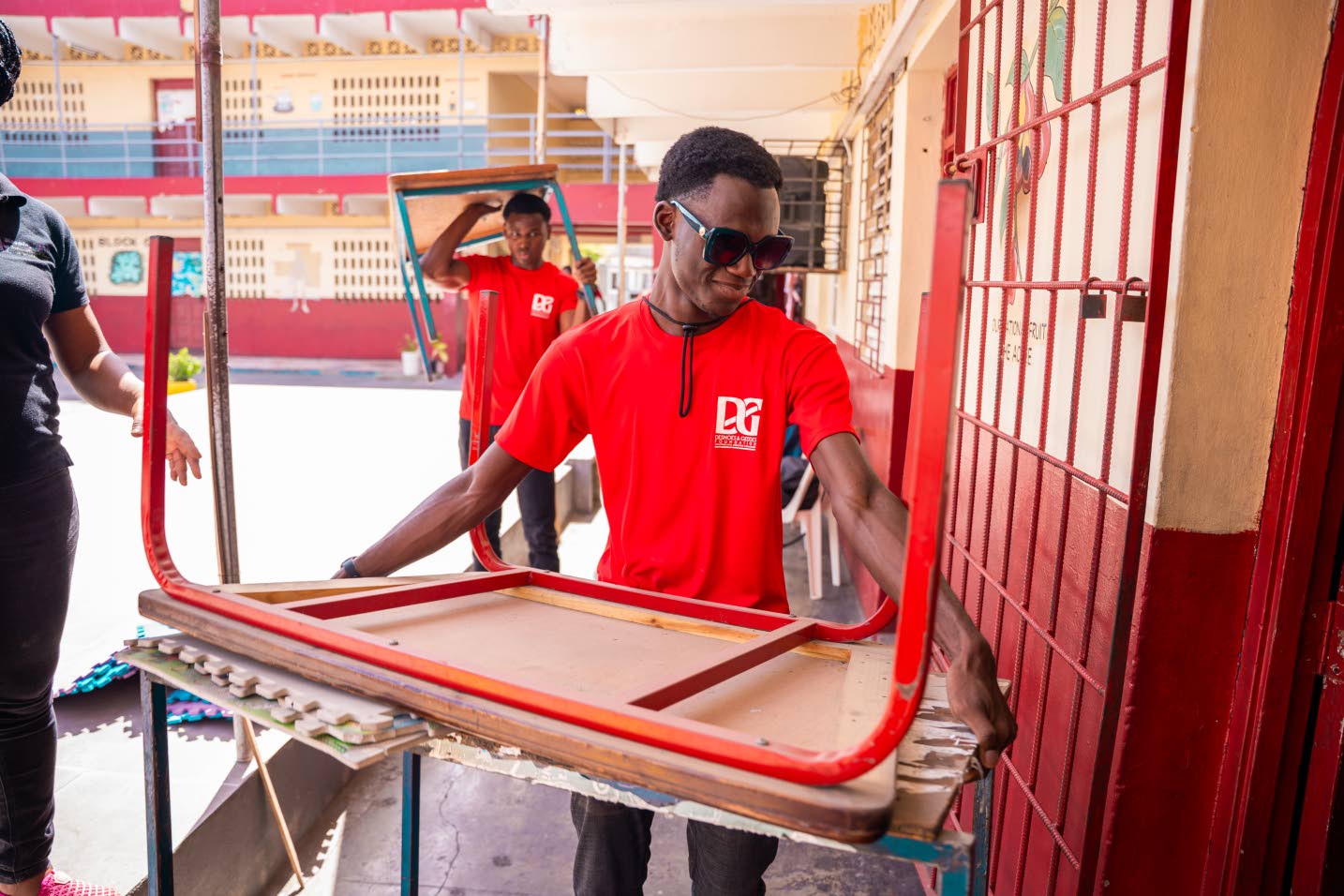
Javaughn McGregor lends a hand during restoration work at Seaview Gardens Primary, moving desks to prepare classrooms for fresh beginnings.


