



We must fight the stigma attached to mental health
First, let me burden you with some statistics. To date, the Jamaica Constabulary Force has reported that 44 people in Jamaica have died by suicide. This compares with 66 in 2023 and 67 in 2024. There was a total of 63 in 2022 and 50 in 2021. Of interest is that men have been disproportionately affected, though suicide among women is rising.
Authorities have become understandably concerned about the rising number of young people dying by suicide, especially young men. The death of former Miss Universe Jamaica contestant Tyra Spaulding, who reportedly died by suicide, has brought this into sharper focus. The trend does not suggest that we are necessarily in real crisis territory as far as death by suicide is concerned, but the numbers are enough to indicate that we have a serious problem brewing that has to be tackled immediately before it really becomes a full-blown mental health dilemma.
The instances of teenage suicides are particularly worrying. There are serious mental health challenges which affect adolescents, ranging from anxiety disorders, episodes of depression, stress-related disorders, substance abuse, and other compulsive behaviour. When you combine these with other risk factors such as sexual abuse, bullying, and other peer pressures arising, especially from social media, you realise that you are looking at a landscape that has all the seeds that can grow into suicidal ideation and actual suicides in youth.
The truth is, as a country, we have not treated mental health problems with the seriousness they deserve. Without taking a more in-depth look at the mental health problems facing our society, the number of suicides will only increase to crisis proportions. Mental health is never a problem that we feel comfortable talking about. Our reactions tend to be knee-jerk or reactive. We respond when the so-called “insane” person on the streets chops someone with a machete instead of anticipating that this could happen and getting him the help before the inevitable happens.
Another truth lies in the way in which we stigmatise mental health sufferers. It never occurs to most people that you get sick physically and mentally. We place greater emphasis on physical illnesses because these are readily seen. But the moment a person is understood to have a mental health problem, he or she is crazy, mad, or is not in possession of his or her mental faculties or right mind. Thus we pay greater attention to the things that can be seen rather than those that are not.
But there are varying degrees of mental illness. The psychology bible,
Diagnostic and Statistical Manual of Mental Disorders, is filled with a host of them, with others appearing almost every year, especially in areas of stress and anxiety. The things that we do not readily see may be a greater danger to the society than those that are apparent. For example, personality disorders, of which there are many, such as pernicious narcissism, psychopathy, sociopathy, and schizophrenia, to name a few, can have a more deleterious effect on society than we could imagine. Is America a case in point here?
So if we are going to take mental health seriously and prevent suicides, we have to demonstrate that we truly care about those who manifest these difficulties. We have to begin seriously to remove the stigma applied to mental health. A comprehensive and nationwide initiative must be engaged to educate people on the subject to help them understand that mental health problems are illnesses like any other infirmity that affects the body. The brain is certainly not detached from the rest of the human body.
The initiative of which I speak must not only be wide-ranging but intentional and community-based. How often have we heard Government speak of the need to address the mental health problems that we face (some call it a crisis) yet hardly any far-reaching and well-worked out programme ever emerges to convince us that the problem is being addressed? We are a nation of communities and that is why I believe the community-based approach is essential to this effort.
I have previously argued in this space that there needs to be a coordinated training of mental health professionals who can be sent out into communities to address these problems. To build peace in communities as is anticipated in the peace aspect of the renamed ministry of national security and peace, such an initiative could not be more compelling. This would be a great help in conflict resolutions that are at the root of much of what ails especially inner-city communities.
But it cannot be a scattershot approach. It must be focused and intentional, with important community-based organisations, such as the Church, integrally involved. In his previous term, the prime minister more than hinted at engaging the Church in such initiatives. Let us hope that in this new term more energy and determination will be given to ensure better outcomes. Time is not on our side here.
Dr Raulston Nembhard is a priest, social commentator, and author of the books Finding Peace in the Midst of Life’s Storms; Your Self-esteem Guide to a Better Life; and Beyond Petulance: Republican Politics and the Future of America. He hosts a podcast — Mango Tree Dialogues — on his YouTube channel. Send comments to the Jamaica Observer or stead6655@aol.com.
Raulston Nembhard
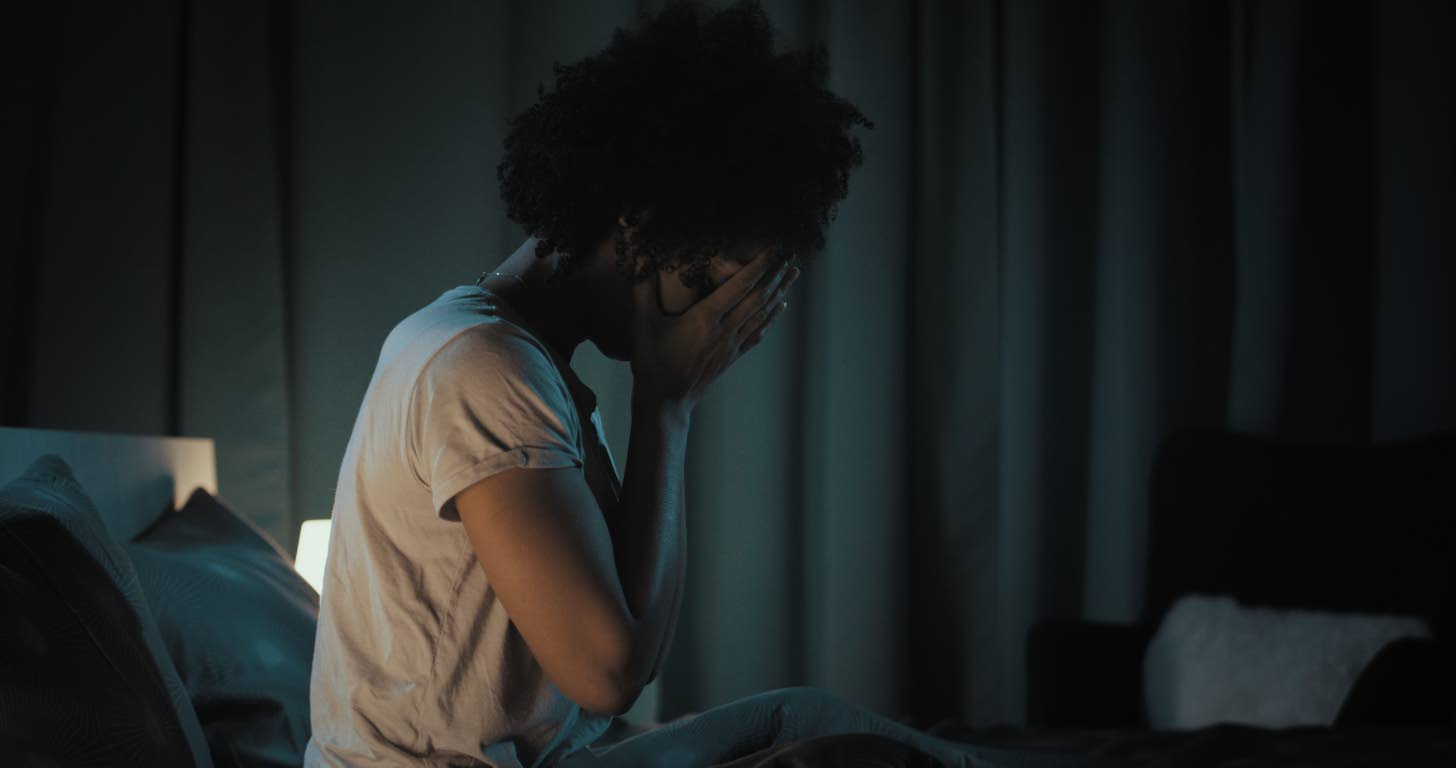
As a country we have not treated mental health problems with the seriousness they deserve.


