



What Consumers Should Know About Food Packaging
In homes, shops, and supermarkets across Jamaica, food packaging is everywhere — from plastic-wrapped produce to sealed meats, boxed meals, and foil-covered street food. Often overlooked beyond its visual appeal or convenience, food packaging is a silent yet essential layer of protection that can directly impact food safety, shelf life, and ultimately, consumer health.
As the local food landscape evolves with increased demand for convenience, pre-packaged meals, and ready-to-eat products, the role of food packaging has grown more important than ever. But with this shift comes the need for greater awareness around the materials used, how food is packaged, and how consumers handle packaged goods once they leave the store.
Packaging as a Barrier to Contamination
At its most basic level, food packaging acts as a physical barrier. It protects food from environmental contaminants such as dust, dirt, and pests, as well as biological hazards like bacteria, fungi, and viruses. Without proper packaging, foods — particularly those that are perishable or ready-to-eat—can easily be exposed to pathogens that cause foodborne illnesses.
Beyond the visible, packaging also helps limit chemical and physical changes that degrade food quality. Oxygen, light, moisture, and temperature can all accelerate spoilage or promote microbial growth. Well-designed packaging helps control these factors, extending shelf life and maintaining food safety for longer periods.
Food protection also happens in layers. Primary packaging is the first shield that touches the food — like a patty sleeve, chicken wrapped in plastic, or a Ting bottle — keeping out contaminants while preserving freshness. Secondary packaging groups these items together, such as a carton of condensed milk tins or shrink wrap around bottled water, adding another level of protection and often carrying key product information. Tertiary packaging handles bulk transport, ensuring foods travel safely through the supply chain.
In simple terms: primary packaging keeps food safe, secondary keeps it organised, and tertiary keeps it secure in transit — three layers working together to protect what ends up on your plate.
The Science of Vacuum Sealing
One increasingly common form of packaging used in both the food industry and small-scale Jamaican businesses is vacuum sealing. This method involves removing air (particularly oxygen) from the package before sealing it tightly around the food.
The science is simple but effective. Many spoilage organisms, including bacteria and mould, require oxygen to survive and multiply. By removing oxygen, vacuum sealing creates an environment where these microbes struggle to grow. This slows down spoilage, reduces the risk of oxidation (which can turn fats rancid or cause colour changes), and helps retain the food’s texture and flavour.
Vacuum sealing is particularly useful for meats, cheeses, seafood, and some frozen meals. It’s also being used by local processors selling seasoned or pre-cooked items like jerk chicken or curried goat. However, it’s important to note that vacuum sealing doesn’t eliminate all risks. Some harmful bacteria, such as Clostridium botulinum, can thrive in oxygen-free environments, which means that proper refrigeration and processing controls are still essential.
Material Matters: Not All Packaging is Safe
While packaging may look clean and secure, not all materials used are food-safe, especially in informal or unregulated food settings. Historically, Jamaicans have been accustomed to receiving hot soups, porridges, or fried foods in plastic bags and takeout lunches in polystyrene containers. However, these materials have long raised food safety and environmental concerns due to their potential to leach harmful chemicals, especially when in contact with hot or fatty foods.
As of January 9, 2025, the Government of Jamaica has officially banned the use of single-use plastic food containers, including black plastic bags, polystyrene clamshells, and other non-biodegradable disposables commonly used in the food sector. This policy was introduced as part of a broader push toward environmental sustainability and consumer safety, and now prohibits their use across all food service establishments, formal and informal alike.
The ban is also a win for food safety advocates. Many of these single-use containers were not food-grade certified, and heating food in them — whether directly or from the residual heat of freshly cooked meals — can increase the likelihood of chemical migration. Substances such as styrene, found in polystyrene, are suspected carcinogens and have been linked to hormone disruption and other health risks.
While enforcement remains a challenge in some areas, the shift encourages vendors to transition toward safer, biodegradable, and food-grade alternatives. Consumers, in turn, are urged to be vigilant: avoid accepting hot food in any banned or suspicious packaging and speak up when safety or compliance is in question.
Food Safety Starts with What You See or Don’t
A critical issue facing both regulators and consumers is that many food safety risks associated with packaging aren’t visible to the naked eye. While a bulging can or a torn seal is an obvious warning sign, microscopic breaches in packaging integrity or chemical contamination often go unnoticed.
Swollen cans or vacuum-sealed bags with puffed-up appearances can indicate microbial activity, sometimes from bacteria that produce gas as they grow. One such bacterium, Clostridium botulinum, produces a toxin that causes botulism — a rare but potentially fatal illness. This is why inspecting packaging before a purchase is so important, particularly for canned and vacuum-sealed foods.
Consumers should also pay close attention to labels. A package missing critical information such as expiry dates, storage instructions, allergen declarations, or batch numbers could mean that the food inside is being sold in violation of food safety laws — or simply isn’t traceable if a recall is necessary.
Small Business, Big Responsibility
With the rise of small food businesses and home-based entrepreneurs across Jamaica, consumers are increasingly buying packaged meals outside of traditional supermarkets. These meals are often attractively presented in clear plastic containers, resealable bags, or foil wraps. But attractive packaging doesn’t always mean safe packaging.
Business owners must ensure that they’re using materials that are approved for food contact, maintaining clean environments when handling packaging, and storing packaged products under proper temperature controls. The packaging itself must be tamper-proof. Being tamper-proof means a product or package is designed to prevent interference with or clearly show if it has been opened or altered, helping protect consumers from contamination or fraud. All items should be clearly labeled with the name of the food, the date prepared, storage instructions, and any potential allergens. This is not just good practice — it’s a legal and ethical obligation.
Raising Awareness, One Wrapper at a Time
While the Bureau of Standards Jamaica provides national guidelines for packaging materials and labelling, enforcement across all sectors — particularly in informal markets — is still inconsistent. Food safety and public health authorities have their hands full, and often, it comes down to consumer awareness to drive safer practices.
Consumers can protect themselves by making informed choices. Don’t buy food in visibly damaged or unlabelled packaging. Avoid reheating food in containers not marked “microwave safe”. Store packaged perishable items in the fridge or freezer as soon as possible, and discard canned foods that are bulging, rusted, leaking, or past their expiration date.
Conclusion
Food packaging is far more than a marketing tool — it is an integral component of food safety. As Jamaicans continue to embrace convenience, it is vital to ensure that the packaging protecting our food is safe, suitable, and properly handled.
When we understand the science and standards behind what packages our meals, we become not just better consumers, but active participants in protecting public health. The next time you pick up a sealed box or bag of food, ask yourself: Is this packaging keeping me safe — or putting me at risk?
About the Author
Allison Richards is a food safety communicator and the founder of The Food Safety Girl, a consumer awareness platform dedicated to promoting food safety in Jamaica. She is also the host of The Big Bite Food Safety Show, a radio program that educates listeners on food safety issues. With over 14 years of experience in food safety regulation, Allison is passionate about empowering consumers and industry stakeholders to make informed choices that protect both health and the environment.
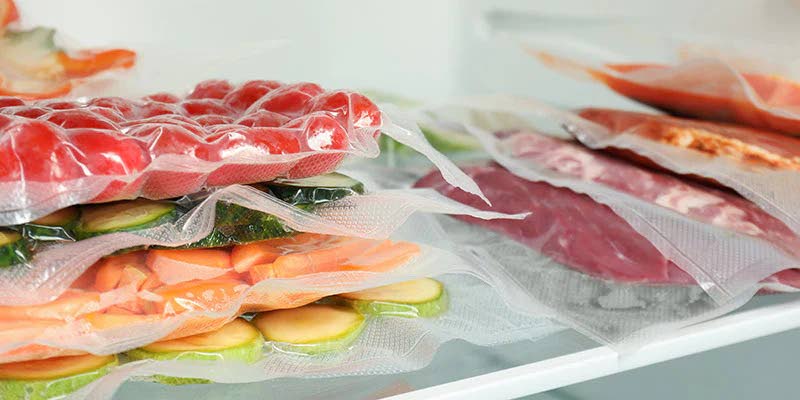
The principle of a vacuum sealing bag is simple: deprive the food of oxygen.

Protective packaging is essential for the movement and transport of goods .

Allison Richards | thefoodsafetygirlja@gmail.com.


