



BREAK THE CYCLE
Racing stakeholders call for social programme to benefit grooms’ children
SPORTS administrator Jason McKay is urging the Government to nationally replicate a sponsored education programme, which he pioneered at Caymanas Park, empowering children of grooms to break a decades-old generational cycle of low-income earners.
On assuming responsibility as a security contractor at the Caymanas racetrack in the mid 1990s, McKay, a social activist, said he was disturbed by the overall welfare of racehorse grooms, who he deemed as a group functioning below the poverty line in respect of income, living conditions, and education.
The tradition was that grooms — most of whom originate from the Gregory Park, Newland, Naggo Head and Christian Pen areas surrounding the racetrack — followed their fathers into the profession at the expense of furthering their education.
However, McKay, also the chief executive officer of McKay Security, says the nature of the job and inability of racehorse owners to pay full-time wages, makes the profession unviable.
“I conducted an experiment with the aim to end generational poverty by preventing offsprings of persons already in a low-income profession from joining their parents. McKay Security fully sponsored their educational journey which, ironically, resulted in creating a shortage of persons willing to become grooms,” McKay said.
“McKay Security sponsored all grooms’ children’s education in relation to school and book expenses. It was called the back-to-school programme. Most children who received the sponsorship went on to professions in higher-earning categories. The result was that almost 100 per cent of the grooms at Caymanas Park under 30 years old are no longer children of former grooms.
“Grooms were a myopic, barely literate group that lived with horses at a lower standard of living than the horse, earning a remuneration package that was unique in that it blurred the lines in relation to minimum-wage regulations.”
Fabian White, president of the Grooms Association of Jamaica, acknowledged the success of McKay’s social programme.
“From this programme started, grooms’ children are no longer a part of the workforce,” White said. “How it worked was the education sponsorship would not be paid if you did not attend school. Most of them got their subjects and are working at call centres or, like my son, at the wharf. Some even went on to college.”
McKay, through his column in the Jamaica Observer, has suggested that the Government adopt a similar approach of relieving parents of the financially burdensome responsibility of schooling children.
“Parents’ help should be welcomed but not necessary,” he said, encouraging the Government to, “provide every possible need — ranging from uniforms to school books and meals — to all needy students, up to the end of high school”.
McKay also wants the Government to move to there being no charge for students in uniform to travel on buses.
“If you look at Cuba — the only country that claims 100 per cent literacy and compliance of students attending school — that is the approach they take to education,” he pointed out, adding that prominent educators have agreed that should financially forced absenteeism end, so would learning deficiencies that cause students to fall behind.
McKay named Christel House, a privately run school in Central Village, St Catherine, as an example of an institution providing tuition, uniforms, food and transportation to and from school.
“The reason the primary schools are graduating so many students to non-traditional high schools is because they can’t read. This is due to an erratic attendance cycle for a significant number of students in primary schools, both in Kingston and rural Jamaica,” said McKay who started a Taekwondo High School League for Corporate Area schools from which participants have become world martial arts champions while their education was being sponsored by McKay Security.
Participants in the McKay Security High School League and combined martial arts team have graduated from universities in the fields of law, medicine, engineering and information technology.
“To fund such a national programme would depend on priorities,” McKay stated, pointing to a potential spend of $2 billion.
“It will cost the Jamaica Constabulary Force more than $2 billion to issue every cop a body camera. This would be a continuing expense, which we will likely spend,” he noted.
“What if we were to use that money to relieve the financial burden of needy parents funding children’s education? Wouldn’t we intervene to produce better-educated children who would not transcend into adults being a menace to society?”
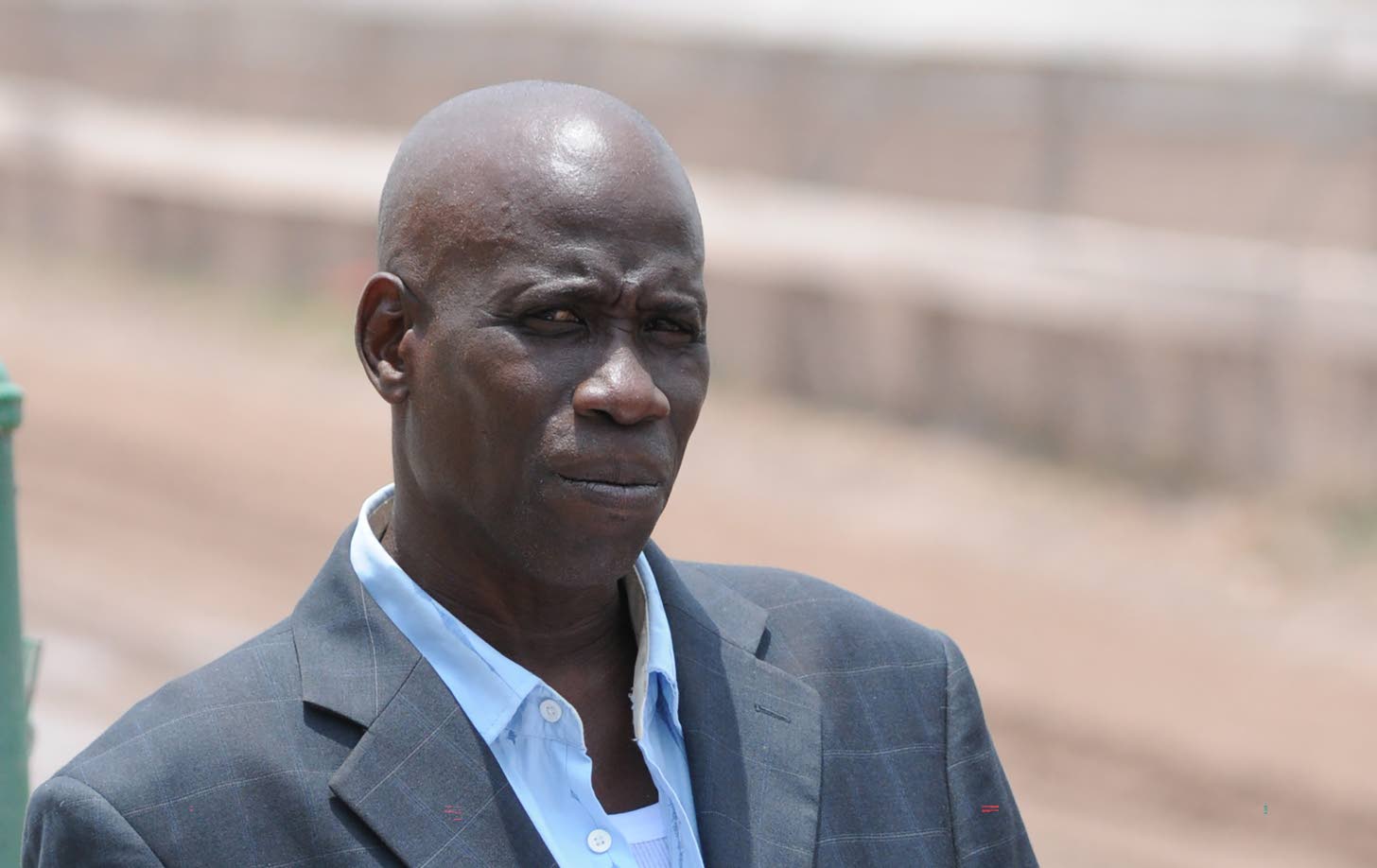
Grooms Association of Jamaica President Fabian White
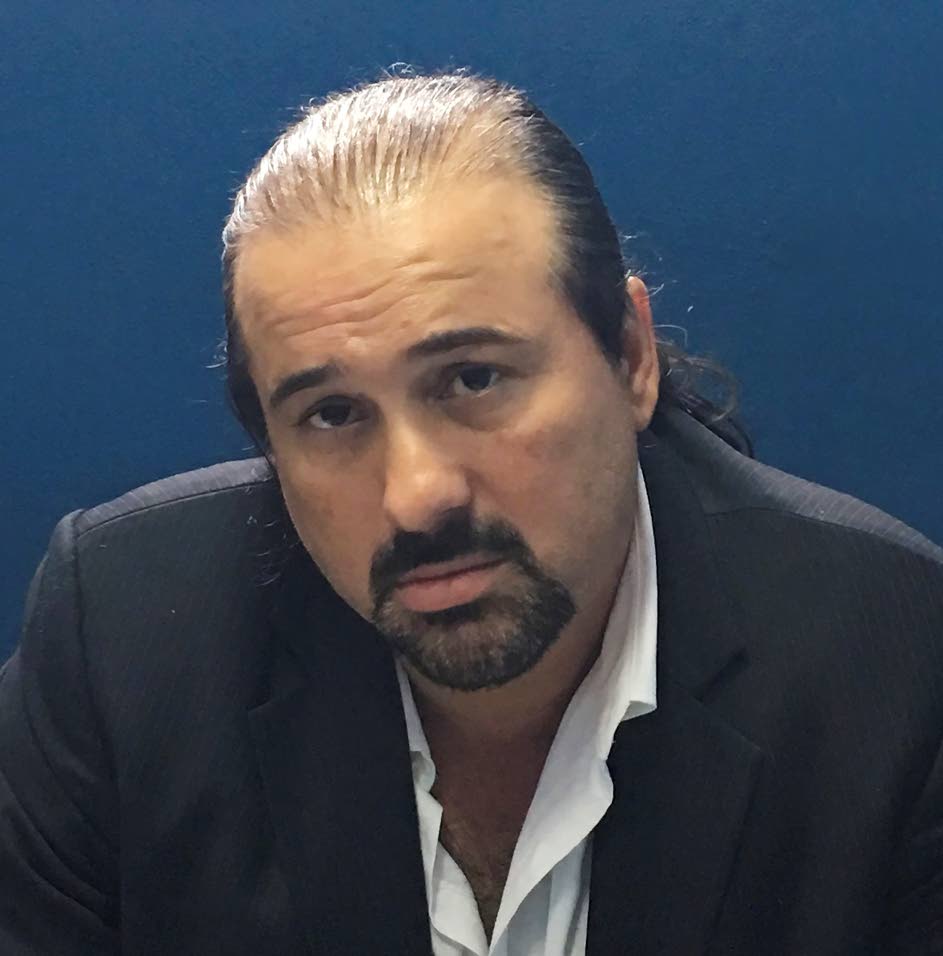
MCKAY…If you look at Cuba — the only country that claims 100 per cent literacy and compliance of students attending school — that is the approach they take to education


