



Trapped in turmoil
Jamaicans desensitised to violence, says psychiatrist
A psychiatrist is convinced that it will take a structured approach to reshape attitudes to violence locally, given the increased dissemination of graphic and brutal content on video-sharing platforms.
“I believe that generations can become desensitised to various things and the norms of the society can change, and that can be as a result of the frequency with which particular things are encountered,” consultant forensic psychiatrist and head of the Psychiatry Department at the University Hospital of the West Indies Dr Clayton Sewell told the Jamaica Observer.
He explained that Jamaicans’ repeated exposure to violence, as content and in reality, has had lasting effects on the Caribbean country.
The comments shared by social media users under an Observer video of a young man who witnessed a shoot-out between a now-deceased suspect and law enforcers, and who described the firefight as “a very good shoot-out”, were evidence of an underlying public concern.
“The nation that glorifies violence!” said one social media user.
Another commented: “This is very sad. The fact that he’s immune to this speaks a lot. May God have mercy on our people.”
Another user added: “Reading comments asking how people find this entertaining and funny…have [you] listened to the music lately?”
Dr Sewell said that the concern is not unfounded.
“[With violence], you can have somebody who’s traumatised by exposure to it which may cause them to develop conditions like PTSD [post-traumatic stress disorder], and a feature of that is that you can become numb to emotionally stirring situations. But, even outside of having PTSD, what you’ll find is that the brain, the body, can tolerate so much of a response before it then protects itself, becomes, again, numb to certain experiences, and becomes desensitised,” Dr Sewell said.
This, he explained, is not unusual, but rather a normal reaction to persistent stimulation.
“If you are continually exposed to a significant emotional event — like, for example, violence and seeing images of it — that may have the effect of causing you now to no longer respond in the same emotional way that you would and, therefore, shock or horror may no longer be there,” he argued.
Though social media may have exacerbated the issue, Dr Sewell said it’s one that is deep-seated in Jamaican culture.
“I think in the Jamaican context, however, given how violent a society we’ve been for many years now, that [social media] is an add-on to people seeing things in their community, in their households, et cetera…so we have been in a crisis for some time, requiring definitive, deliberate action to address the issue of violence and what, as a society, we’re exposed to, what we condone,” he added.
Dr Sewell is one of the few qualified forensic psychiatrists in the country and regularly deals with violent offenders who are suspected of being mentally ill. He explained to the Sunday Observer that, unfortunately, violence characterises the way some Jamaicans express their emotions.
“We justify violence in various ways, so we’ll say, ‘Well, that person did something wrong first,’ and therefore we’re justified in acting in a particular way. We justify violence in response to things, you know, whether it be disrespect or whether it be some relatively minor infraction — people [have] become comfortable with that,” he said.
He added that it has seeped into the music and is the first choice for some people to end disputes, versus using other methods of mediation.
Correcting this will take significant work, the doctor explained.
“Going forward, it requires all of us to be on the same page in terms of trying to change our nation,” he advised.
Noting that people who are traumatised from an experience of violence can be re-traumatised and can become even more hostile in response to perceived wrongs, the psychiatrist added: “If we reduce the occurrence and the exposure to acts of violence and trauma generally, that is one step.
“Secondly, we need to educate our population about other avenues to deal with a dispute, to deal with a difference of opinion or any wrong that we think might have been done. You’ll find, if people are impoverished and they’re living on top of each other, they are more likely to have disputes and have violent encounters,” the consultant forensic psychiatrist added.
He recommended that social media and online usage for children be properly monitored. He also proposed that parents approach discipline early and with care.
“I really suggest that…the first three years of life are what are important in ensuring a well-adapted, a pro-social child becomes a pro-social adult. So as parents, what is important is to be able to discipline children in such a way that we are not traumatising them but being able to ensure that they appreciate what is good from what is bad,” he said.
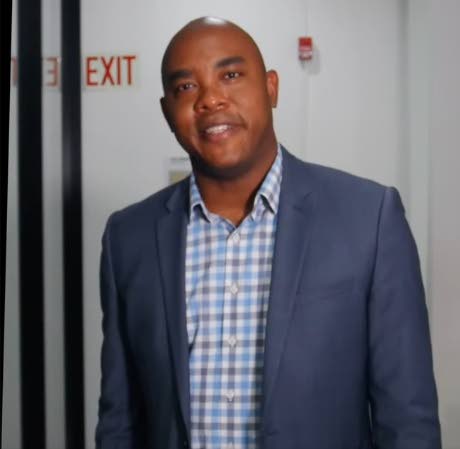
SEWELL…if you are continually exposed to a significant emotional event — like, for example, violence and seeing images of it — that may have the effect of causing you now to no longer respond in the same emotional way that you would


