



Peru’s Ica Valley Mines Bronze
The 2025 Decanter World Wine Awards (DWWA) cast a golden light across the global wine map earlier this year, awarding a range of medals to South America’s big four: Argentina, Brazil, Chile and Uruguay. Traditionally, thousands of bottles are blind-tasted over several to determine which vintages score the highest points on their way to winning platinum, gold, silver or bronze medals. At this year’s staging, where 248 expert judges, including Masters of Wine and Master Sommeliers gathered to adjudicate, Peru triumphantly emerged as a true rising star of viniculture. The country’s Ica Valley, a cradle of viticulture just a few hours south of Lima, claimed seven Bronze medals at the event spread across three wineries — five reds, one white, and one rosé carried Peru’s flag onto the international stage.
The scale of the competition makes this feat more resonant as to secure even a bronze medal is to pass a threshold of international excellence. This is a point underscored by Decanter itself as bronze means a wine demonstrates a solid balance, typicity, and quality that commands respect on restaurant lists and collector shelves alike. Among the standout names is Intipalka, a brand that represents a synthesis of heritage and innovation. Theirs are vineyards rooted in the Ica desert, cooled by Pacific breezes and protected by the Andes’ shadow. Their successful medal haul at the event includes no less than five bronze medals, the most by any Peruvian bodega at this year’s event.
Another name inseparable from Peruvian wine is Tabernero, founded in 1897 in the Chincha Valley, part of greater Ica, that is one of the country’s oldest continuously operating wineries. It is known for producing fine wines and has undergone generations of investment in vineyard expansion, cellar modernisation, and diversification into international markets. These medals are not merely technical validations, they carry cultural weight, linking Peru’s winemaking present to its Andean heritage. The wines show that Peruvian producers are not experimenting at the margins, they are asserting a place within the global narrative of fine wine and for luxury consumers, this matters.
Collectors and sommeliers often seek novelty with provenance, meaning wines that can tell a story tableside or in a private tasting. Peru’s bronze medals provide exactly that, a narrative of desert viticulture, indigenous heritage, and validated quality. For the country, these medals function as passports, opening the possibility of export listings, collector interest, and inclusion on Michelin-starred wine lists abroad. For buyers in the luxury space, a bronze medal win at the DWWA is a seal that signals quality at an accessible price tier, particularly appealing for markets looking to introduce consumers to emerging regions. For sommeliers, it gives them confidence to list a bronze medal-winning wine by the glass, a tool to build consumer trust in categories outside the familiar Argentina-Chile-Uruguay axis.
In Peru’s case, this significance multiplies as the country’s global brand demonstrates that its vineyards deserve equal footing in conversations about Andean luxury. As purveyors of luxury wine experiences, Anetza Concierge has been tasked with introducing Peru’s seven bronze medal-winning wines to the readers of Thursday Food:
Intipalka Tannat, made in the Ica Valley by Intipalka Winery from 100 per cent Tannat, is an 87 point wine with an intense garnet red colour. It expresses aromas reminiscent of red and black fruits, mixed with cherries and strawberries. On the palate, ripe and round tannins are present in addition to natural acidity, good volume, an exquisite texture and a long savoury finish.
Intipalka Reserva Malbec-Merlot, which scored 86 points, comprises 60 per cent Malbec and 40 per cent Merlot grapes grown in the Ica Valley. Its aromas are herbal and fruity with notes of smoke and jam on the nose. Light on the palate, its tannins are silky in the mouth.
Intipalka Patrimonial Quebranta is a wine made from 100 per cent Quebranta grapes, a native pink variety from Peru. Scoring 87 points, this wine exhibits sour cherries aromas on the nose with spicy and vegetal undertones. In the mouth it is intense and powerful on the palate with a warm finish.
Intipalka Reserva De Familia Malbec comprises 100 per cent varietal grapes and scored 88 points. Intense red in colour with violet hues, this red wine’s aromas are of red fruits and spices in harmony with subtle vanilla notes. On the palate, its soft, finely woven tannins end in a long and elegant finish.
Intipalka Gran Reserva N°1 is an 87 point wine produced using 30 per cent Malbec, 25 per cent Tannat and 25 per cent Petit Verdot grapes in the Ica Valley. This blend is a deep garnet red in colour, featuring aromas of black fruits and spices in harmony with subtle notes of chocolate and vanilla. On the palate, it is elegant, complex, and balanced, with light touches of acidity, soft tannins, and a long, delicate finish.
Vittoria Gran Reserva Blend is an 88 point wine that captures the essence of the Ica Valley terroir in Peru. Made by Tabernero Winery (Bodegas y Viñedos Tabernero) it is a fusion of altitude, climate, and soil that gives life to exceptional grapes. Made from 55 percent Malbec and 45 per cent Cabernet Sauvignon, the wine is cedary and peppery on the nose with aromas of eucalyptus and red fruits, its tannins are firm in the mouth and warm in their finish.
Vittoria Terroir Sauvignon Blanc comprises 100 per cent Sauvignon Blanc from vines grown in the Ica Valley. It has a very aromatic nose of gooseberries, citrus and zesty green notes. The wine offers a complex and elegant profile with balanced acidity and a fresh, pleasant mineral finish.
Peru’s 2025 DWWA success story is one of emergence, precision, and cultural pride with its seven bronze medals underscoring the Ica Valley’s ability to produce wines of international merit. Verified by the world’s largest and most rigorous blind tasting, the message is unambiguous: Peru’s wines have entered the conversation. For the international wine traveller South America provides a myriad of options that serve luxury in a glass, Cheers to your next great wine adventure. Salud!
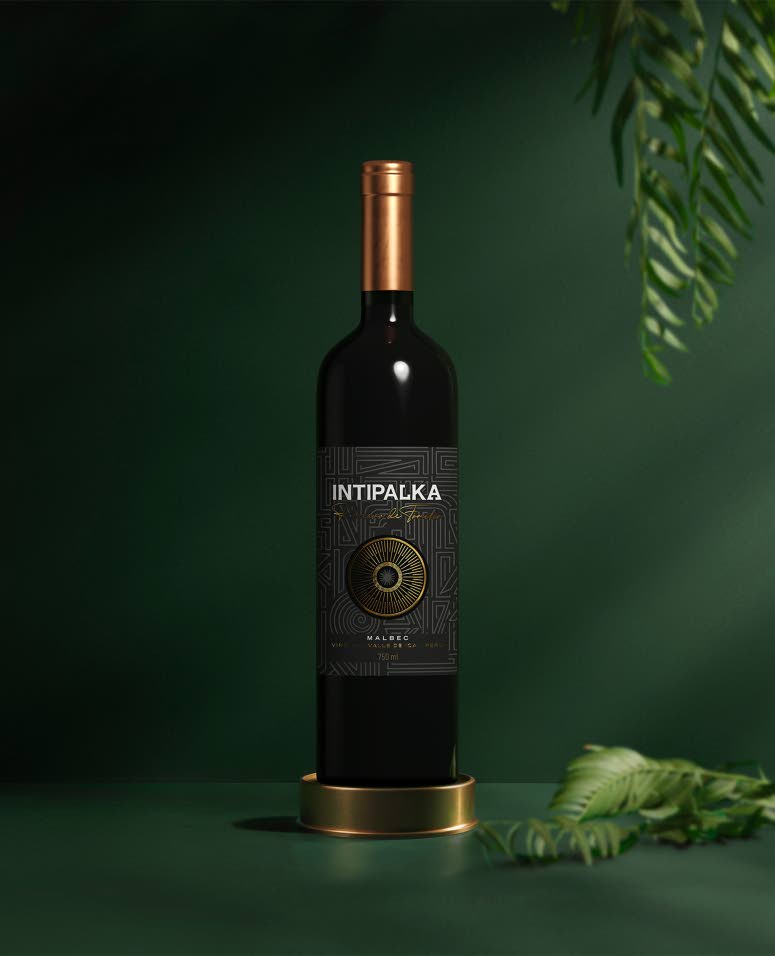
Intipalka Reserva De Familia Malbec comprises 100 per cent varietal grapes and scored 88 points. (Photo: INTIPALKA WINERY)


Intipalka’s wines represent a synthesis of heritage and innovation in the Ica Valley. (Photo: Intipalka Winery)

Bodega Tabernero was founded in 1897 in the Chincha Valley which is part of greater Ica Valley. It is one of the country’s oldest continuously operating wineries. (Photo: Tabernero Winery)
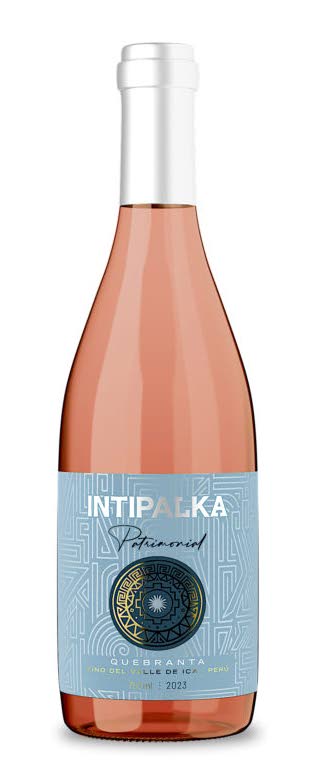
Intipalka Patrimonial Quebranta is made from a 100 per cent native varietal pink grape from Peru. (Photo: Intipalka Winery)
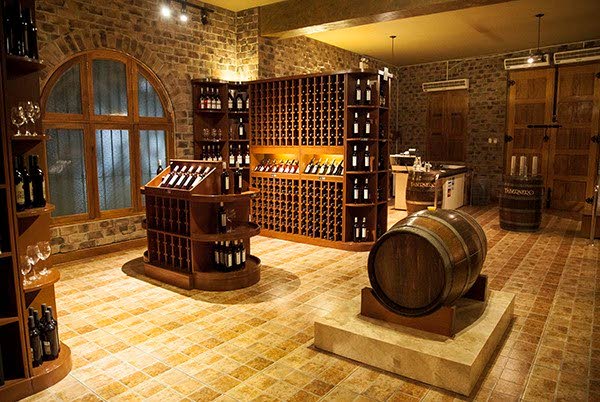
Taberno Winery’s enotourism offerings include a tour of the tasting rooms. (Photo: Tabernero Winery)
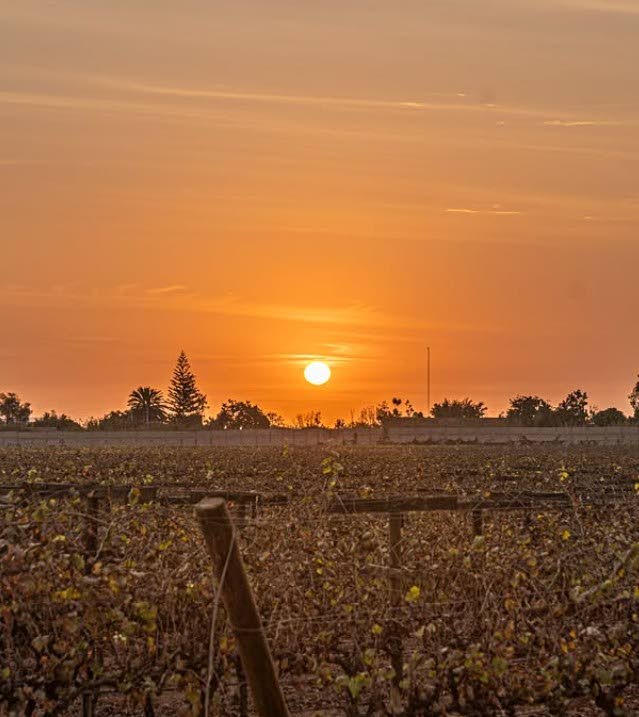
Intipalka’s name means “Valley of the Sun” in Quechua, the language spoken during the Incan Empire. (Photo: Intipalka Winery)
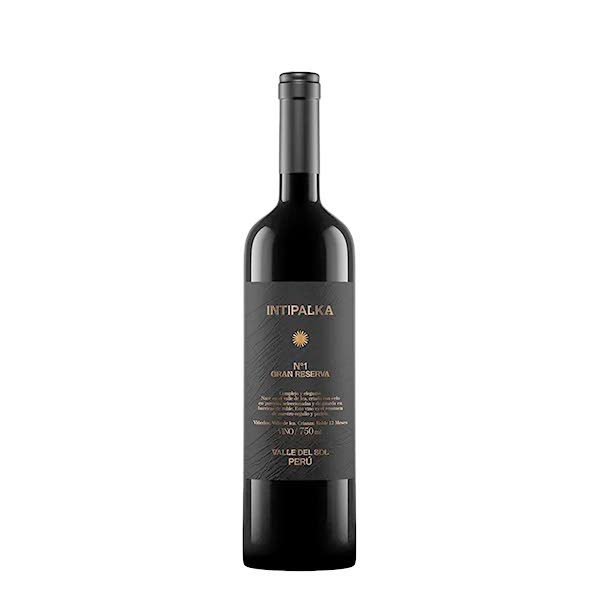
Intipalka Gran Reserva N°1 is an 87-point wine produced using 30 per cent Malbec, 25 per cent Tannat and 25 per cent Petit Verdot grapes in the Ica Valley. (Photo: Intipalka Winery)
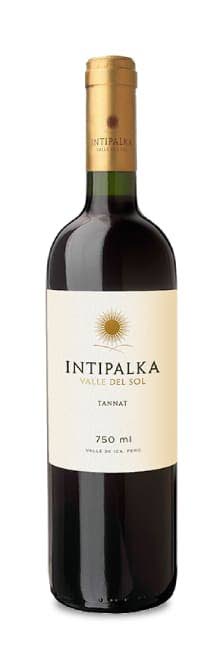
Intipalka Tannat, made in the Ica Valley by Intipalka Winery from 100 per cent Tannat, is an 87-point wine with an intense garnet red colour. (Photo: Intipalka Winery)
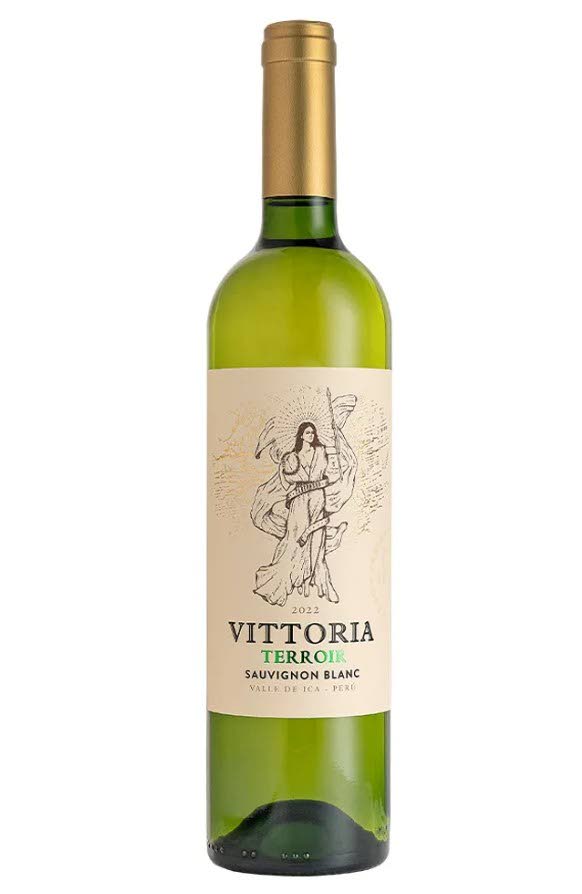
Vittoria Terroir Sauvignon Blanc comprises 100 per cent Sauvignon Blanc from vines grown in the Ica Valley. (Photo: Tabernero Winery)
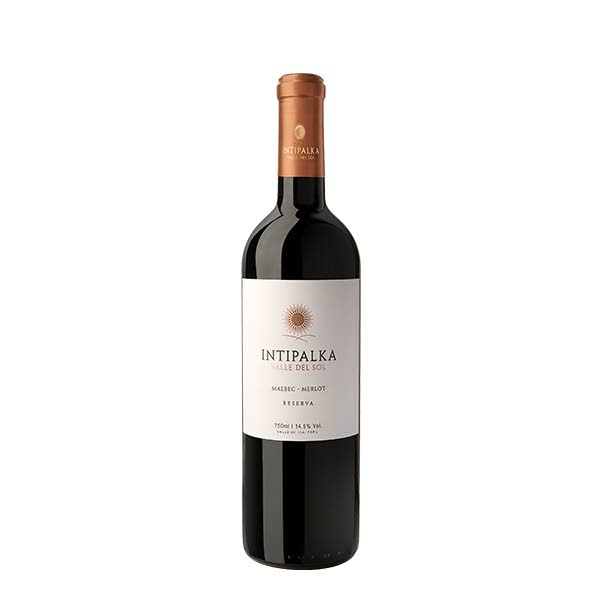
Intipalka Reserva Malbec-Merlot, which scored 86 points, comprises 60 per cent Malbec and 40 per cent Merlot grapes grown in the Ica Valley. (Photo: Intipalka Winery)
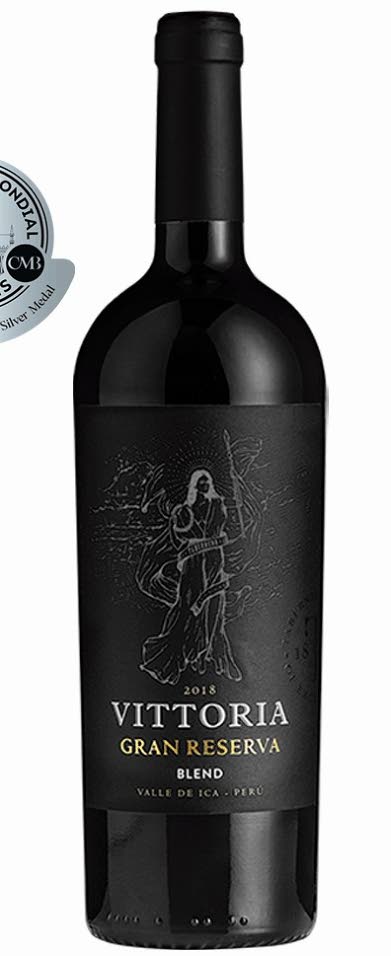
Vittoria Gran Reserva Blend is an 88-point wine made from 55 per cent Malbec and 45 per cent Cabernet Sauvignon. (Photo: Tabernero Winery)


