



Time to put an end to age-based promotion
For decades children in Jamaica’s schools have been promoted from grade to grade largely because of their age. This “automatic promotion” policy has long been criticised because whether or not students had mastered reading, writing, or numeracy they were moved forward with their peers in what became known as automatic promotion.
It was seen as kinder than holding a child back and simpler for schools to manage overcrowded classrooms. But today the evidence is clear: This policy has left thousands of students ill-prepared, struggling through primary school, and entering high school without the basic skills to succeed. This also results in poor performance in national exams like the Primary Exit Profile (PEP) and, later, the Caribbean Secondary Education Certificate (CSEC).
That is why the Government has announced a major policy shift. This is a welcomed shift after decades of troubling results. Beginning September 2025 students will no longer be automatically promoted if they have not achieved the expected grade-level standards. Instead, underperforming students will follow remedial programmes and receive individual learning plans (ILPs) tailored to their needs. The Ministry of Education says this approach will allow every child to move forward with mastery, not simply with age.
A system that fails its youngest learners
The statistics tell a sobering story. According to the 2022 Multiple Indicator Cluster Survey, 38 per cent of Jamaican children between the ages of seven and 14 cannot read at the required level, and only half have acquired basic numeracy skills. The Jamaica Education Transformation Commission (JETC) has also reported that fewer than half of students leaving primary school are proficient in mathematics, while just over half meet standards in language arts.
These numbers reflect daily classroom realities for teachers on the ground. “By grade 4 I often have students who can barely sound out words sitting next to others who are reading chapter books,” explained one Kingston primary school teacher. “It makes teaching almost impossible because the range of ability is so wide.”
The result is that many children fall further behind as the curriculum advances. National exams, such as PEP, continue to show weak results in mathematics, science, and language arts. By the time students reach secondary school, the gaps become even harder to close.
Principals frustrated, children discouraged
Principals and parents, too, have long questioned whether promotion without mastery does more harm than good. Linton Weir, first vice-president of the Jamaica Association of Principals and Vice Principals, said on Radio Jamaica News Online (June 11, 2025):
“More than 70 per cent of the roughly 220 grade-7 students at Pembroke Hall High are either unable to read or can only do so at the grade-3 level… automatic promotion of students at the primary level, regardless of their abilities to read and comprehend, should end if the country is serious about tackling the literacy crisis.”
Experts note that while automatic promotion may avoid the stigma of repetition it often transfers the burden to later grades. Children who struggle in the early years but are promoted anyway tend to face repeated failure later, damaging their self-esteem and reducing their engagement with school.
A new direction
The Ministry of Education has emphasised that the end of automatic promotion is not about punishing children but about giving them the support they need to catch up. Remedial pathways will include literacy and numeracy programmes, small-group tutoring, and closer monitoring of progress. Schools rated “unsatisfactory” by the National Education Inspectorate will also receive targeted intervention.
“We want every child to move forward — but with mastery, not by age alone,” a ministry spokesperson said.
But questions remain about whether schools have the resources to deliver on this promise. Teacher shortages, overcrowded classrooms, and limited training in remedial instruction could hinder the roll-out. Education experts warn that without sufficient investment the reform risks becoming a policy on paper rather than a transformation in practice.
The road ahead
Ending age-based promotion is only the first step. What happens next will determine whether this reform delivers on its promise. For the policy to work Jamaica must invest in early diagnostic assessments so that learning gaps are caught in the first two years of primary school. Strong remedial programmes are essential, not simply holding children back. Teachers must be equipped with strategies to manage mixed-ability classrooms and provide tailored instruction. And parents must be engaged as partners, ensuring that literacy and numeracy are reinforced at home.
Automatic promotion was meant to keep children moving forward together. Instead, it left too many behind. If the new policy is matched with resources, training, and sustained public commitment, it could mark the beginning of a real turnaround in Jamaican education. However, without enough trained teachers, resources, and parental support, the reform could falter. The real test will be whether Jamaica can turn the page on automatic promotion and ensure that every child entering high school can read, write, and calculate at grade level.
The stakes could not be higher. For the nation’s children, the choice is no longer between moving up or being left behind. It must be about moving forward with the skills they need to succeed.
sandragayle888@gmail.com
Sandra Currie
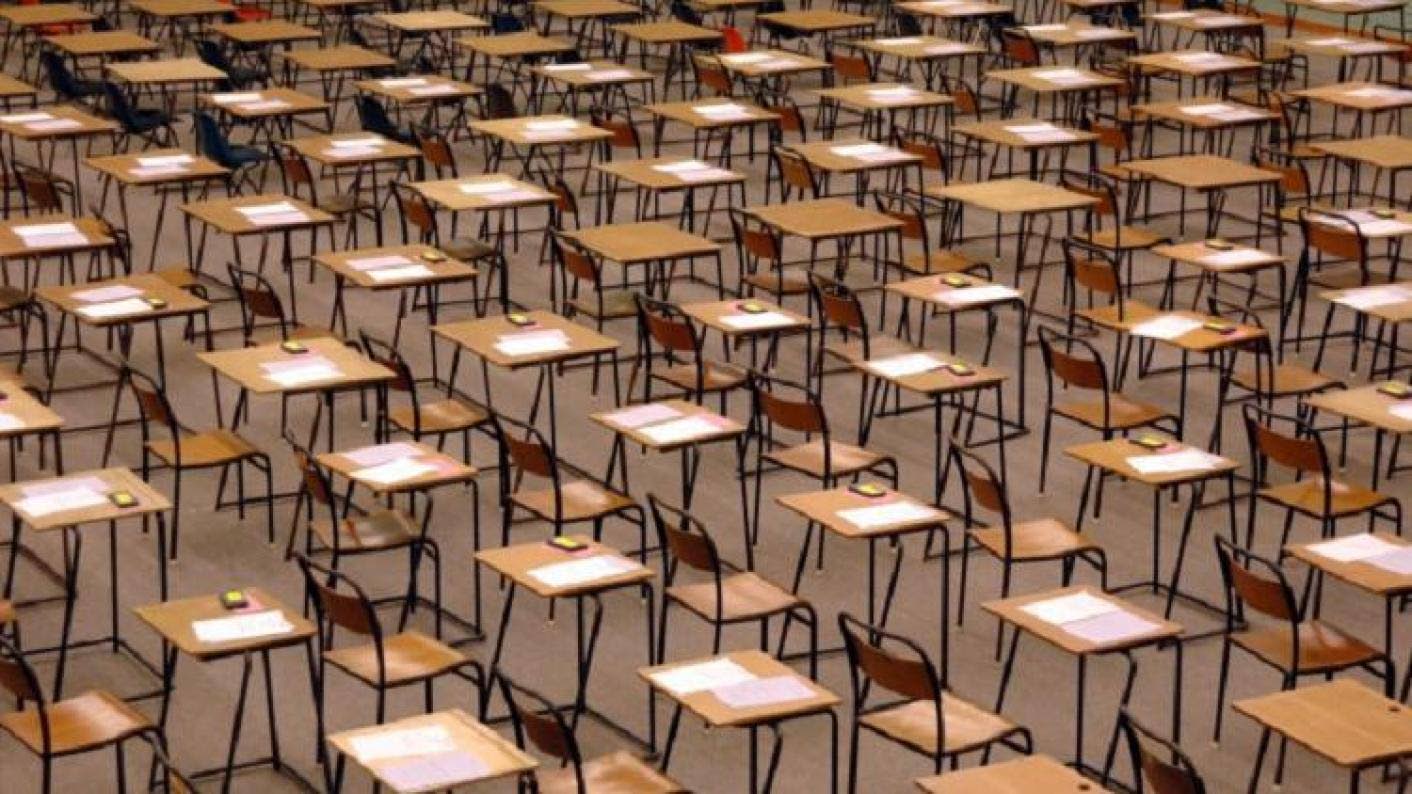
National exams, such as the Primary Exit Profile, continue to show weak results in mathematics, science, and language arts.


