Restoring cycles: Nutrition and strength for PCOS
POLYCYSTIC Ovary Syndrome (PCOS) is one of the most common hormonal disorders in women, affecting cycles, fertility, and metabolism. Many “cysters” struggle with abnormal bleeding, disrupted sex lives, infertility, depression, and, in rare cases, even cancer of the womb.
I see a number of women with this condition who are simply placed on contraceptives to control the symptoms, with no clear path to address the underlying problem. I am not saying those medications do not have a role, but they are not the long-term solution. For most PCOS patients, insulin resistance is at the root of the problem, and that is where many women will find lasting relief.
Nutrition and supplements
Lowering body fat percentage, when elevated, has been shown to increase ovulation rates in women with PCOS. This is best achieved by making dietary adjustments and adding strength training to the routine. Drastic calorie deficits, such as those seen in crash diet fads, are counterproductive. While they may cause short-term weight loss, it does not always translate to fat loss, and most patients regain the weight or more soon after.
Inositol is one of the most studied natural supports. It improves insulin sensitivity and, by extension, ovulation rates. Other supplements with positive evidence include vitamin D, omega-3 fatty acids, and N-acetylcysteine (NAC). NAC, in particular, has shown improvements in insulin sensitivity similar to metformin in some studies, while also supporting ovulation.
Movement
Exercise targets the core drivers of PCOS, namely insulin resistance and inflammation. Strength training is especially powerful. Muscle acts like a sponge for glucose, lowering blood sugar levels and easing insulin resistance. Studies show that women with PCOS who do resistance training have more regular cycles and improved ovulation rates. When combined with aerobic activity, the benefits are even greater, supporting weight management, hormone balance, and fertility. Two weekly resistance sessions plus regular walking or aerobic exercise can make a remarkable difference.
For PCOS, supplements and smart nutrition lay the foundation, but strength training and consistent movement unlock the full benefits, addressing both symptoms and long-term risks.
Dr Ryan Halsall, MBBS DMOG FACOG FMAS, is a consultant OBGYN and minimally invasive surgeon. He operates ILAP Medical, Suite 2, 22 Windsor Avenue, Kingston.
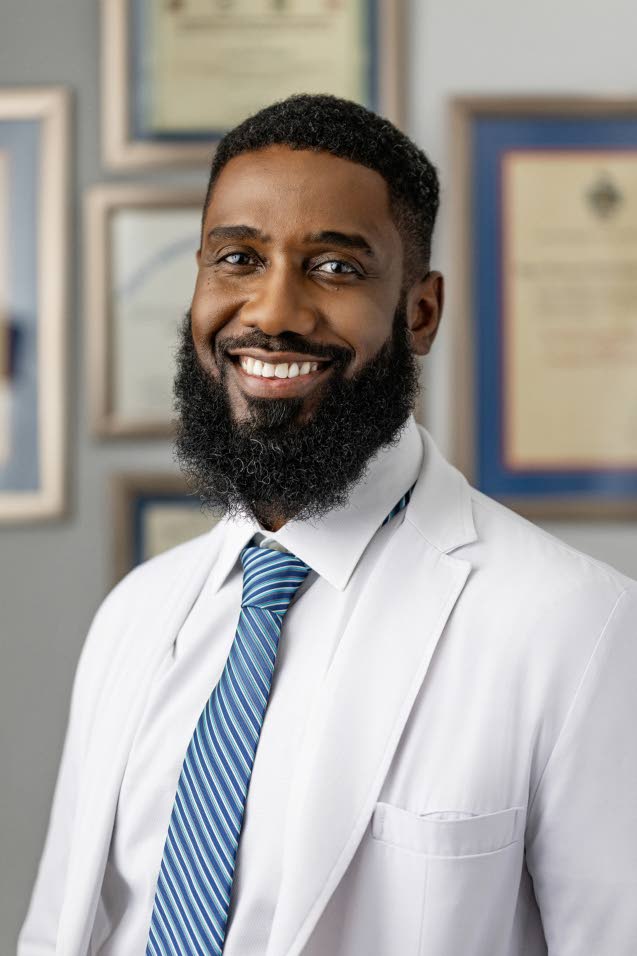
Dr Ryan Halsall.