



Beyond the hype: How PR can save reggae and dancehall from themselves
In reggae and dancehall today the role of public relations (PR) has been reduced to a buzzword, often mistaken for marketing, publicity, or even social media management. Too many artistes and their teams are chasing likes, views, viral moments, and mentions, confusing being seen with being understood.
Public relations, at its core, was never about hype. It’s about strategy, image management, and relationship-building, the unseen work that shapes how an artiste is perceived and remembered. Yet in an era when trending posts and planted stories can feel more powerful than a polished plan, PR has quietly slipped into the background.
I believe it’s time we examine how reggae and dancehall have misunderstood the purpose of PR, how that confusion continues to weaken the industry, and what steps can be taken to restore its value. The goal isn’t to bury PR, but to remind artistes, managers, and media professionals of the strategic role it still plays in building lasting brands and credible stories.
Step 1: Rethink Strategy — Not Just Visibility
A true PR specialist does more than write press releases or secure blog placements. He or she advises on timing, tone, and positioning, guiding how and when to speak, what messages align with the brand, and how to navigate controversy without compromising credibility.
But many artistes now see their social media accounts as the only PR tool they need. Access has replaced advice. A few followers, viral clips, or catchy hashtags are seen as proof of “connection”. What gets lost is the long-term storytelling that builds brand identity and trust.
Influence without intention fades fast, and when the spotlight moves, only those with real substance remain visible.
Step 2: Fix the Pay-for-Post Culture
Once upon a time earned media was the goal, coverage that came because your story mattered. Now the industry has slipped into a pay-for-post culture in which placements are bought, not earned, and “buzz” is measured by exposure, not engagement.
This transactional model has weakened the integrity of both the media and the artistes they feature. Stories lack depth because they are no longer guided by message, but by money. The result? A flood of press with little purpose — more content, less connection.
True PR should restore balance, wherein visibility comes from authenticity, not from an invoice.
Step 3: Confront the Root — Education and Mindset
Beneath the noise lies a deeper problem, a lack of business education and sustainable industry practices. Many artistes and managers approach the music business without understanding its mechanics. This absence of knowledge breeds short-term thinking in which success is measured in moments of hype rather than a long-term strategy for growth.
At the root of this is the hustler mentality, a culture that prizes quick wins and instant recognition over structured planning, brand-building, and professional development. While hustling has been part of reggae and dancehall’s resilience, unchecked, it becomes a cancer. It fosters inconsistency, undervalues strategic PR, and undermines the possibility of building lasting careers. Education in marketing, brand strategy, negotiation, and media relations must become integral to the industry’s DNA if reggae and dancehall are to sustain themselves beyond fleeting hype cycles. Without it the industry will continue to trade substance for spectacle.
Step 4: See PR as an Investment, Not a Bill
Public relations is not an expense; it is an investment in oneself. Like any investment, its value grows over time. Strong PR builds credibility, deepens audience relationships, and creates opportunities that extend far beyond the next single or viral moment.
For artistes in reggae and dancehall the challenge is to view PR not as a one-off activity, but as an ongoing process. It is about planting seeds that grow into a sustainable career, one defined not by the buzz of today, but by a legacy that endures tomorrow. A short-sighted approach to PR may yield quick wins, but only consistent investment ensures relevance, respect, and resilience in a competitive industry.
Step 5: Respect the Publicist’s Independence
One of the most undervalued aspects of PR is independence. A good publicist must have the freedom to tell clients what they need to hear, not just what they want to hear. That counsel may be uncomfortable, but it’s essential for growth and protection.
Too often, publicists are treated as extensions of ego rather than partners in purpose. Their work is reduced to chasing coverage instead of building relationships and strategy. But when allowed to function independently they serve as the bridge between artistry and audience, guiding communication, managing crises, and ensuring consistency in message and tone.
Step 6: Build Brands, Not Just Buzz
Branding is more than visuals or slogans; it’s the emotional and cultural fingerprint of an artiste. It’s how people connect beyond the music. A PR specialist helps define that, ensuring that every appearance, caption, and conversation aligns with who the artiste truly is.
Without that guidance the brand becomes inconsistent, and the message gets lost. Social media gives artistes a voice, yes, but PR provides that voice with direction. It ensures that every interaction supports the bigger picture, not just the next post.
Final Note: PR is on Life Support, But Not Dead
Public relations in reggae and dancehall isn’t dead, but it’s definitely on life support. The industry’s obsession with immediate visibility has come at the cost of lasting value. The shift from earned media to paid promotion has stripped away storytelling, integrity, and the human touch that once made PR meaningful.
If the genre is to continue growing globally, it must re-embrace the foundation of proper communication and image strategy. Visibility without purpose is just noise, and right now the noise is drowning out the message.
Rickardo W Shuzzr is a communications strategist and entertainment publicist specialising in reggae, dancehall, and Caribbean culture. He is also an adjunct professor at Suffolk County Community College in Long Island, New York. He writes on media, branding, and the evolving relationship between artistes
and the industry.
If reggae and dancehall are to continue growing globally, they must re-embrace the foundation of proper communication and image strategy.

A true PR specialist advises on what messages align with the brand and how to navigate controversy without compromising credibility.
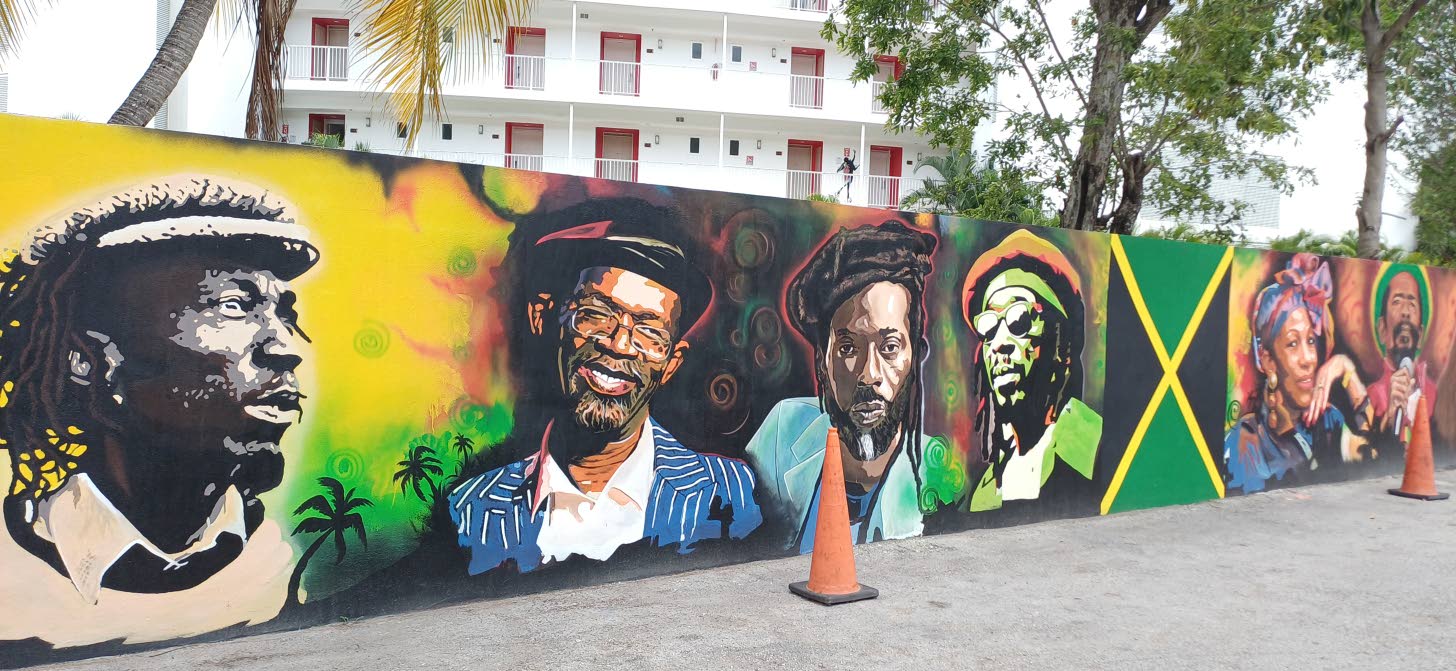
Branding is more than visuals or slogans; it’s the emotional and cultural fingerprint of an artiste. It’s how people connect beyond the music. (Photo: Horace Hines)


