



Beyond the Pink Ribbon: Why Food Safety Matters in Breast Cancer Awareness Month
Every October, Jamaica joins the world in going pink for Breast Cancer Awareness Month. Streets fill with ribbons, offices host health talks, and community groups rally around survivors and fighters alike. The message is clear: Early detection saves lives.
But beyond the screenings, the marches, and the heartfelt testimonies lies another layer of prevention that often goes unnoticed — the food on our plates and the way we handle it. Food safety may not sound as urgent as a mammogram, but it plays a critical role in supporting wellness, lowering risks, and protecting the most vulnerable among us.
Food Safety Starts With Freshness
Many Jamaicans are turning to fruits and vegetables as part of a healthier diet — from papaya and soursop to kale and berries. These foods are celebrated for their antioxidants, vitamins, and immune-boosting benefits, which are especially important during cancer prevention or recovery.
Yet, even the healthiest food can carry risks if not handled properly. Bacteria like E. coli and Salmonella often cling to fresh produce, especially leafy greens and imported berries. Locally, many vendors rinse produce in standing water at markets — but soaking fruits or vegetables doesn’t remove bacteria, it can actually spread it. The US Centers for Disease Control and Prevention (CDC) reports that produce contributes to 46 per cent of foodborne illnesses and 23 per cent of related deaths.
The safest practice? Wash produce under running water, scrub firm-skinned items like cucumbers or carrots, and dry with a clean cloth or paper towel before storing. This simple step ensures that the foods meant to build health don’t accidentally break it down.
Hidden Hazards in Packaging
Breast Cancer Awareness Month also prompts us to consider what surrounds our food — not just what’s inside. Packaging can be more than a container; it can sometimes introduce hidden hazards.
Bisphenol A (BPA), a chemical once common in can linings and plastics, has been linked to hormone disruption, raising concerns for breast health. But even BPA-free plastics can pose risks. Over time, microplastics — tiny plastic particles that break off from packaging — can contaminate food. Heat, sunlight, and repeated handling accelerate this process.
Leaching of chemicals from plastics into food, especially when exposed to high temperatures, is another hidden risk. For example, reheating hot soups in low-quality plastic bags or containers can allow harmful compounds to migrate into your meal. These exposures are concerning because some chemicals have been linked to endocrine disruption and may contribute to long-term health risks, including breast cancer.
Here in Jamaica, the Government has already banned polystyrene clamshells, black plastic bags, and other single-use food containers that pose both environmental and health risks. Still, many vendors continue to use plastics not designed for hot food. That steaming soup or fried chicken bagged in cheap plastic may leach harmful chemicals when heat and oil interact with the material.
Consumers can protect themselves by choosing “BPA-free” labelled cans where possible, avoiding reheating food in plastic containers, and supporting vendors and businesses that use food-safe, biodegradable packaging. Breast Cancer Awareness Month reminds us that health protection isn’t just about what we eat, but how it’s wrapped.
Stronger Immunity Through Safe Protein Choices
For patients undergoing treatment for breast cancer, food safety becomes even more critical. Chemotherapy and radiation can weaken the immune system, leaving patients vulnerable to infections that a healthy person might fight off easily.
The CDC estimates that foodborne illnesses result in approximately 128,000 hospitalisations and 3,000 deaths annually in the US. While specific data for Jamaica is limited, the risks are universal. In Jamaica, this means being extra cautious with high-risk foods such as raw fish (sushi, ceviche), undercooked chicken or beef, runny eggs, and unpasteurised dairy or juices.
Instead, safe choices include fully cooked meats, pasteurised beverages, and produce that has been thoroughly washed and peeled. For caregivers, this is more than just cooking — it’s providing protection and strength through every meal.
Processed Foods and Everyday Choices
Not all packaged foods are bad, but some processed products come loaded with hidden sodium, sugar, and additives that undermine health over time. Reading labels is a form of awareness in itself. Choosing products with fewer, familiar ingredients is always a safer bet. A study published in Clinical Nutrition found that each 10 per cent increase in ultra-processed food consumption was associated with a 13 per cent increased risk of overall cancer and an 11 per cent increased risk of breast cancer. While specific data for Jamaica is limited, the trend is concerning.
For Jamaicans managing risk factors like high blood pressure or diabetes — which already strain the body — limiting highly processed foods is a smart step toward overall wellness. In the context of breast cancer awareness, it’s one more way to practice self-care daily.
Awareness Beyond Pink
The pink ribbons, the fund-raisers, and the awareness drives all serve a vital role in fighting breast cancer. But awareness must extend to the kitchen, the market, and the packaging aisle. Food safety is a quiet form of prevention and protection — one that complements medical care and empowers consumers.
As Jamaicans, we pride ourselves on our food culture — from fresh market produce to street food indulgence. This October, let’s add one more layer of pride: ensuring that the food we prepare, package, and consume is not just delicious, but safe.
Because when it comes to breast cancer awareness, every small action counts — whether it’s scheduling a screening or washing a bunch of callaloo under running water. Awareness begins with knowledge. Protection begins with practice. And together, they shape a healthier Jamaica.
About the Author
Allison Richards is a food safety communicator and the founder of The Food Safety Girl, a consumer awareness platform dedicated to promoting food safety in Jamaica. She is also the host of The Big Bite Food Safety Show, a radio program that educates listeners on food safety issues. With over 14 years of experience in food safety regulation, Allison is passionate about empowering consumers and industry stakeholders to make informed choices that protect both health and the environment.
Allison Richards | thefoodsafetygirlja@gmail.com.
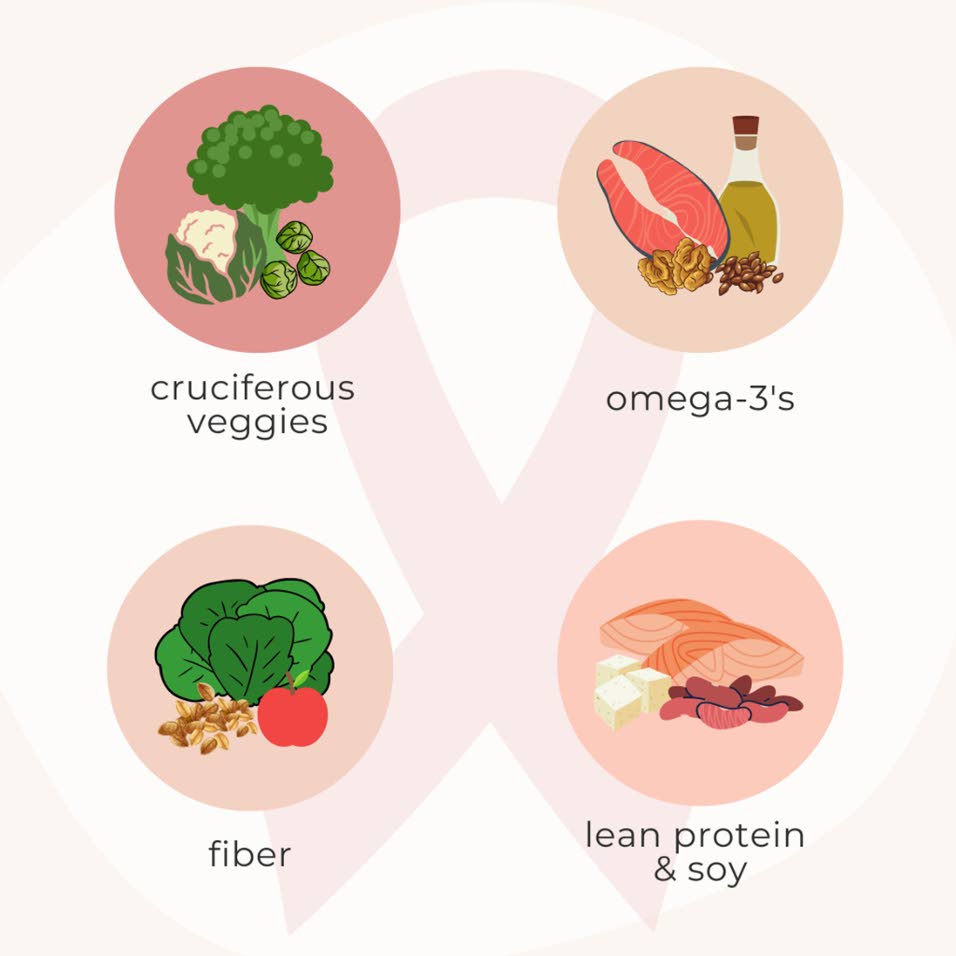
The pink ribbons, the fund-raisers, and the awareness drives all serve a vital role in fighting breast cancer. But awareness must extend to the kitchen, the market, and the packaging aisle.


