



Is Jamaica’s Child Diversion Act delivering?
In 2018 Jamaica took a bold step forward by passing the Child Diversion Act, a law designed to ensure that children who come into conflict with the law are not automatically funnelled into the formal justice system.
Instead of being sent to court or correctional facilities, eligible children can now be redirected into community-based programmes where they receive counselling, mentorship, and educational support. The goal is simple but transformative: reduce reoffending, protect children’s rights, and build stronger, safer communities. Seven years later, the question remains: Is the Act delivering on its promise?
A Safer, Smarter Alternative
Diversion is not about excusing crime. It is about recognising that children are different from adults. Their brains are still developing, their environments often shape their behaviour, and with the right interventions they can be redirected towards positive futures. In Jamaica this recognition is critical.
Between 2019 and 2022 hundreds of children were charged with serious crimes ranging from larceny to assault. Yet research shows that once a child is placed in a correctional facility their chances of reintegrating successfully into society decline sharply. Diversion programmes — offering counselling, community service, or skills training — give these children a chance to repair the harm caused while still remaining connected to school, family, and community.
Early Successes
Reports from the Ministry of Justice and independent observers suggest that the Act has already reduced the number of children entering correctional facilities. Instead of detention, many have been placed in mentorship or skills-development programmes.
The difference is profound. Imagine a 14-year-old caught shoplifting. Before 2018, that child might have faced a criminal record and time in a juvenile correctional centre. Today, under diversion, the same child could instead meet with a guidance counsellor, participate in life-skills workshops, and make amends to the store owner through community service. The child learns accountability without being branded a criminal for life.
Persistent Challenges
Still, the road is far from smooth. Diversion requires trained personnel, adequate funding, and strong community partnerships. Rural parishes, in particular, often struggle to provide the same level of services available in Kingston or Montego Bay. There are also cultural barriers. Some community members view diversion as being “soft” on crime, not realising that holding a child accountable outside of prison can be more effective than incarceration. Without public buy-in, the programme risks being misunderstood or underutilised.
Another challenge is the lack of consistent data. While anecdotal reports highlight successes, there is still no comprehensive national report tracking outcomes: How many children were diverted? How many completed their programmes? How many reoffended? Data is essential not only for accountability but also for improving the system.
Why This Matters
Jamaica cannot afford to lose another generation of young people to crime and incarceration. Every child sent to a correctional facility represents lost potential — a student who could have graduated, a worker who could have contributed to the economy, a citizen who could have helped build safer communities.
Diversion is not just about compassion; it is about public safety. Studies from across the world show that children who go through diversion are less likely to reoffend than those who are locked away. By rehabilitating instead of criminalising, Jamaica can reduce crime rates in the long term.
Building for the Future
For the Child Diversion Act to achieve its full potential, three steps are crucial:
1) Expand resources – More trained counsellors, social workers, and mentors are needed across all parishes to ensure equal access to diversion.
2) Public education – Communities need to understand that diversion is about accountability and rehabilitation, not leniency.
3) Data collection – A national database should track cases, outcomes, and success rates to measure the Act’s true impact.
These steps require collaboration between government agencies, schools, non-governmental organisations, and local communities. They also demand investment. But the cost of diversion pales in comparison to the social and financial cost of incarceration.
A Call to Action
Jamaica has taken an important step by enacting the Child Diversion Act. But laws on paper are only the beginning. What matters most is how effectively they are implemented. Every child deserves a second chance. Diversion offers that chance, not just to the child, but to all of us, by building a safer, fairer Jamaica. The question is whether we will commit the resources, energy, and collective will to make it work.
I encourage Jamaicans of good character to consider volunteering to become a child diversion mentor. By giving just a few hours each week as a mentor you can help change the course of a child’s life and strengthen Jamaica’s future in the process.
Dr Deneil D Christian is a Jamaican American criminal justice professor and researcher. Send comments to the Jamaica Observer or libertyphd2021@gmail.com.
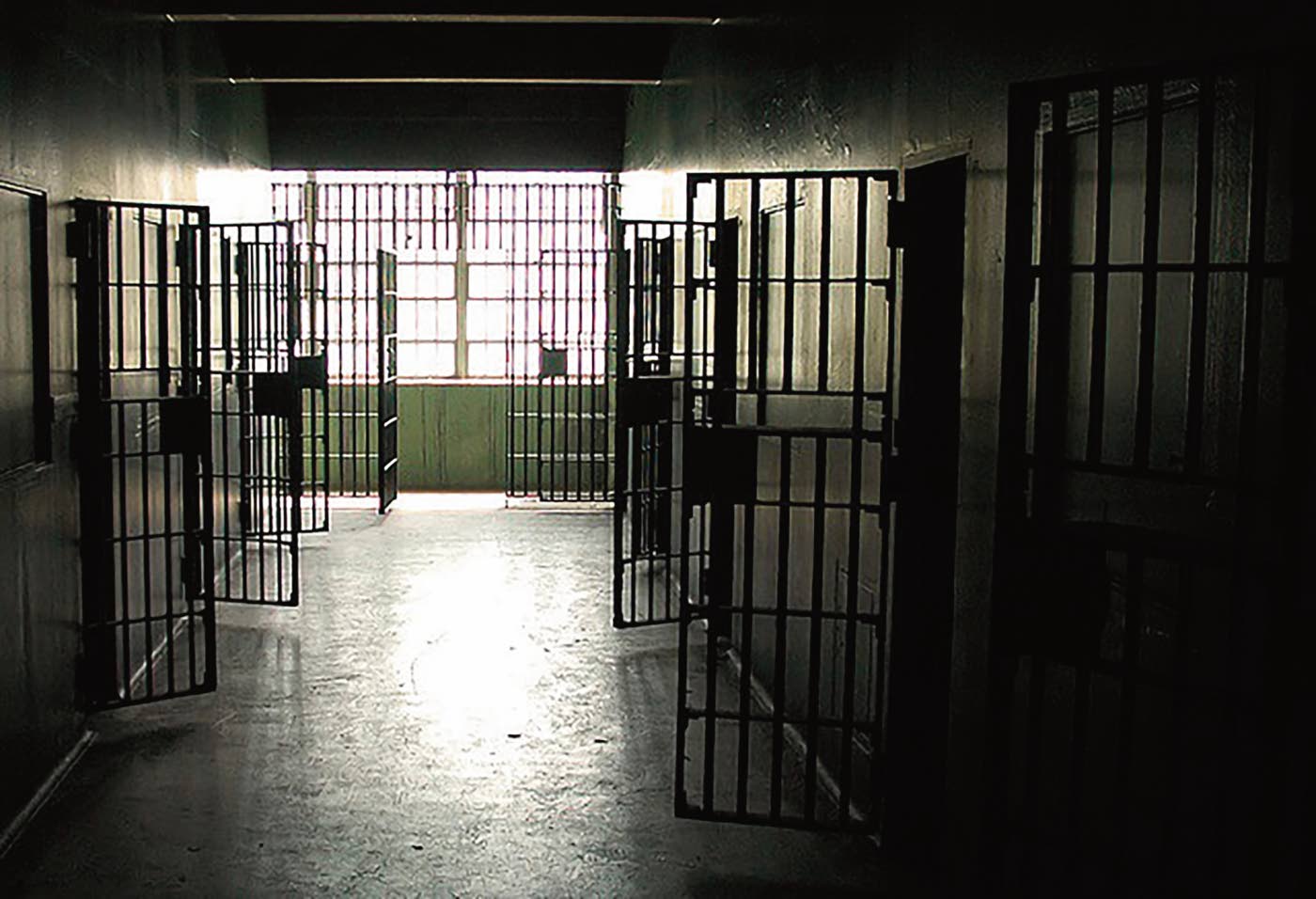
The Child Diversion Act is designed to ensure that children who come into conflict with the law are not automatically funnelled into the formal justice system.

Jamaica cannot afford to lose another generation of young people to crime and incarceration.


