



Mastercard targets 50,000 micro enterprises in digital payments expansion
Payments processor Mastercard Inc said it has set a target to include 50,000 micro-businesses in the formal economy by 2030, expanding its existing global initiative to digitise small enterprises.
This marks a strategic shift for the company, which has already helped to formalise 50 million small and medium-sized enterprises (SMEs) globally. It is, however, now turning its attention to the micro-business sector — the smallest and most informal subset of the small business community — as the next growth frontier.
Speaking in a media round-table session on Wednesday, Dalton Fowles, country manager for Mastercard in Jamaica, said the company is doubling down on an area that remains largely underserved.
“We see the micro sector as the next big wave. These are legitimate businesses that are often excluded from the formal economy, and we want to connect them through digital payment solutions,” he said during the sit-down with journalists.
Despite an estimated 400,000 SMEs operating in Jamaica, only about 14,000 are formally registered and listed on the national tax roll. The vast majority, primarily micro-enterprises, operate informally — relying heavily on cash and struggling with limited access to capital and growth opportunities.
“This next phase of the work that we are trying to do will not be limited to just Jamaica, but the entire Caribbean. We have some exciting projects in the pipeline and, by now and 2030, it is our intention to bring at least 50,000 micro businesses in the formal economy. A lot of these discussions are well underway and in advanced phases and we will be engaging them through public private partnerships,” Fowles said.
Mastercard, in equipping micro-businesses with low-cost acceptance devices, tap-to-pay solutions, and streamlined onboarding processes that remove barriers such as know your customer (KYC) compliance, said it remains bullish on this mission. Backed by the successes of a previous pilot project with craft vendors in Montego Bay, Fowles said the company is now preparing for a broader national roll-out.
The initiative is also supported by key partnerships with the Ministry of Industry, Investment and Commerce and agencies like the Jamaica Business Development Corporation (JBDC) that will help to deliver essential training and financial literacy education.
With micro, small and medium-sized enterprises (MSMEs) currently accounting for more than 90 per cent of total employment and 50 per cent of gross domestic product (GDP) across most markets in the Latin American and Caribbean (LAC) region, Mastercard sees digital payments not just as a convenience, but as a foundation for business growth and sustainability.
According to the findings from its latest digital payments survey, the company said it found that 91 per cent of SMEs polled indicated that they saw where digital payments have led to growth in their businesses after going cashless, This, as more than 80 per cent of them also cited the ease of doing business and the cost-saving benefits when compared to handling cash among the top preference for using digital payments.
The study also found that while cash continues to remain king and even as some businesses were not yet accepting digital payments, more than half or 54 per cent of respondents said they want to adopt.
With Mastercard’s strategy going beyond transactions — a major part of its aim is to also solve critical challenges such as access to capital, cash flow management and security.
Backed by strong fraud monitoring capabilities which utilises advanced solutions like RiskRecon, tokenisation and AI-driven fraud detection, the large payments company through its Trust Center also now provides free tools to SMEs which has been helping to boost trust and confidence while protecting merchants from evolving cyber threats.
“We spend billions of dollars annually investing in these types of tools because it’s the lifeblood of our business. If people don’t have trust, then they’re not going to want to use cards,” Fowles said.
Based on some other findings of the study, SMEs have also flagged the most important quality for a digital payments provider as being their ability to handle different payment types with 90 per cent of businesses viewing this as being very important or essential. With 75 per cent of study’s SMEs also using digital payments to pay their suppliers, 67 per cent of them have also indicated that they were conducting these transactions with international suppliers.
“In Jamaica, because SMEs depend on digital transactions for survival, they are demanding more from their providers, with ability to handle different payment types, trust and secondary benefits offered,” the study outlined.
The regional survey, titled ‘SMEs: The Digital Payments Adoption Landscape in Latin America and the Caribbean,’ was conducted by the Many Minds Group across 14 countries, including 150 Jamaican SMEs, between March 3 and April 14 this year.
While Mastercard has seen strong year-over-year growth in digital payments locally, a separate study found that about 40 per cent of the country’s GDP is still transacted in cash, which Fowles said suggest that more can be done.
“Our numbers are really great and year-over-year growth in digital payments continue to be very robust but we are now trying to pivot to that micro segment and to drive that inclusive growth agenda,” the country manager said while noting that Mastercard remains uniquely positioned to serve the evolving needs of Jamaican SMEs with seamless, secure and scalable solutions.
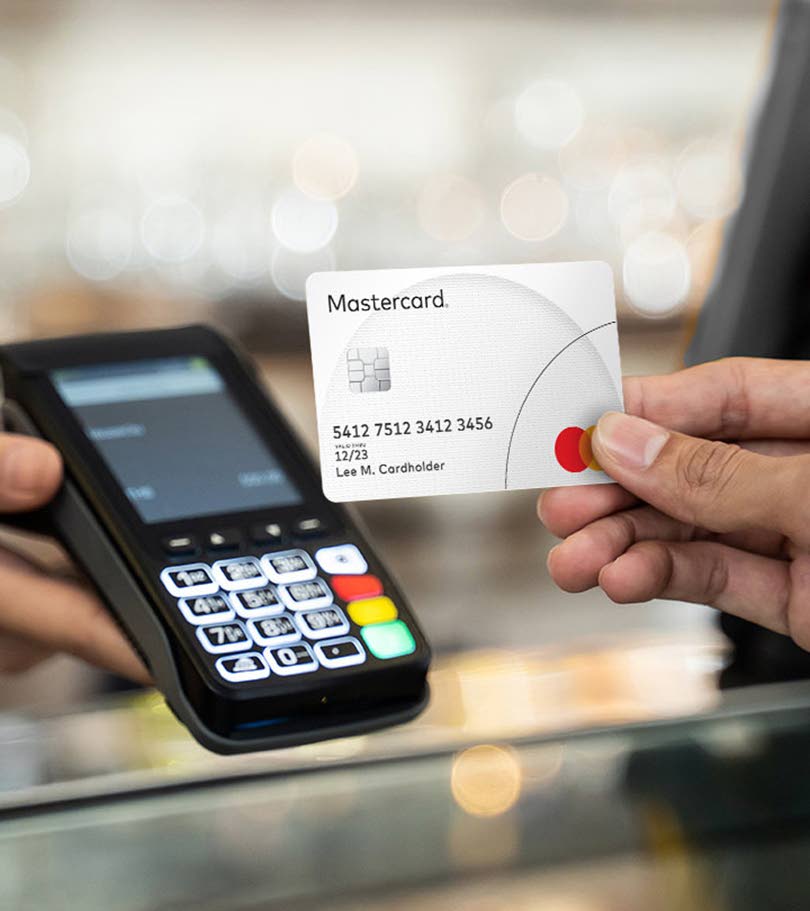
With MSMEs currently accounting for more than 90 per cent of total employment and 50 per cent of gross domestic product (GDP) across most markets in the Latin American and Caribbean (LAC) region, Mastercard said it sees digital payments not just as convenience, but as a foundation for business growth and sustainability.


