



From Wambugu apple to dragon fruit
…African fruit harvest in Jamaica as more exotic fruits from Kenya eyed for local cultivation
Following the successful cultivation of the Kenya-originated Wambugu apple in Jamaica and the strengthening of agricultural ties between both countries, more exotic fruits are now being considered for local farming, chief among them — the dragon fruit.
In an interview with the Jamaica Observer after an Agro-Invest-led training session held at the Ebony Agro Park in Clarendon last week, organic farmer and Wambugu apple ambassador Latoya Panton highlighted the rising popularity of the dragon fruit in Jamaica.
“We now have a few farmers who are actually growing dragon fruit as a crop for sale. In Kenya, the fruit is cultivated commercially and they have some excellent varieties,” Panton said. “Similar to the Wambugu apple, this is another project I’d love to see the Government support — particularly through training for our local farmers and RADA extension officers — as we work to make it commercially viable.”
Panton, underscoring the strong commercial potential of the dragon fruit, also regarded it as a highly nutritious option. “It’s a tasty fruit when allowed to ripen properly,” she added.
A Manchester female farmer, sharing her successes with planting the dragon fruit, further attested to its tastiness and nutritional value especially for diabetics.
“The Kenyan variety, in particular, is refreshing and not very sweet hence making it very suitable for persons with diabetes.
“The Kenyan variety is refreshing and not overly sweet, which makes it ideal for diabetics,” she said. “I have a few variants, but the Kenyan plant, which I got a little later, is now a favourite — my daughter loves it chilled. I’ve even had to install security cameras in my garden because people have been trying to steal parts of the plant,” she said.
Currently growing only a few plants in a half-barrel container, she plans to expand production. “I’ll definitely be planting more — along with Wambugu apples and other fruits — as I get serious about the economic potential of these crops locally. Jamaica’s agricultural strength has been underutilised for too long and I believe now is the time to take it seriously.”
Catherine “Kate” Wambugu, international Wambugu ambassador further speaking to the popularity of the dragon fruit in Kenya, said that the cactus-type plant is low-maintenance and adaptable to various soil types.
“In Kenya, we have several varieties including yellow, white, red and pink,” she said. “It’s still relatively rare, but demand is increasing, which creates a great opportunity for farmers. Beyond the raw fruit, we’ve developed several value-added products, such as powder for natural food colouring and dried fruit packs — none of which contain sugar or preservatives,” she stated.
As Jamaica explores stronger agricultural ties with Kenya, Panton, who has travelled to the East African country twice, believes there’s much to be gained from their expertise.
“Kenya has a lot to offer Jamaica in terms of agricultural knowledge and even some simple farming technologies. One of the crops I’m particularly interested in is grapes. I tried applying for a permit to import them, but the Plant Quarantine Division denied it. I plan to reapply, especially given the success we’ve had with the apple,” the local ambassador said.
Further underscoring Kenyan grapes as high-yielding, Panton said rapid local production will help with reducing Jamaica’s dependency on imported grapes, which experts say now rank among the country’s most imported fruit.
“In addition to the Wambugu apple and dragon fruit, we’re also waiting for permits to bring in golden peaches from Kenya — those have been pending for two years. We’re also interested in introducing nectarines and apricots,” she further noted.

Kate Wambugu (left) and Latoya Panton shares in a photo during a Wambugu apple training session held at the Ebony Agro Park in Clarendon on October 16, 2025.
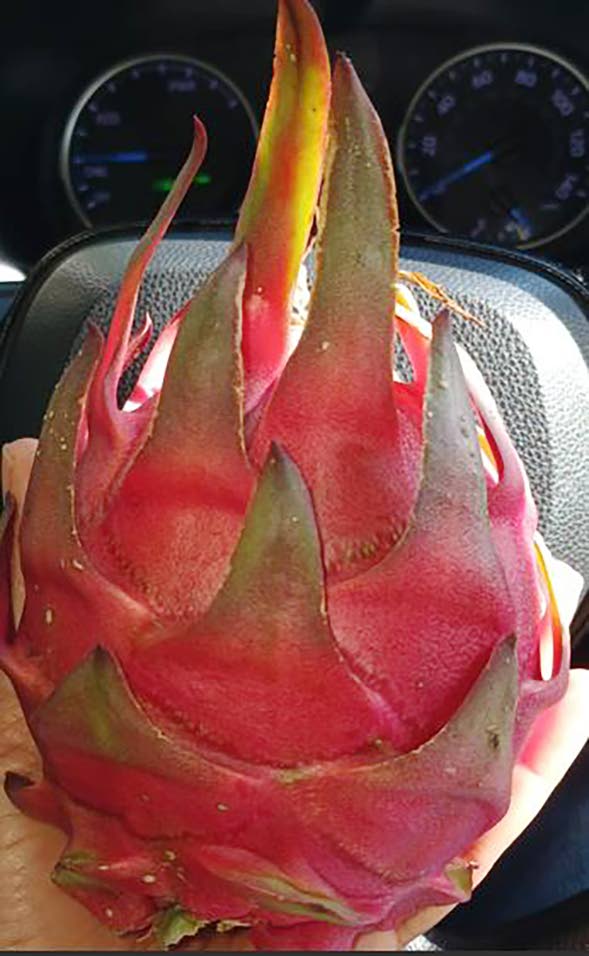
A 2lb dragon fruit from the garden of the Manchester female farmer
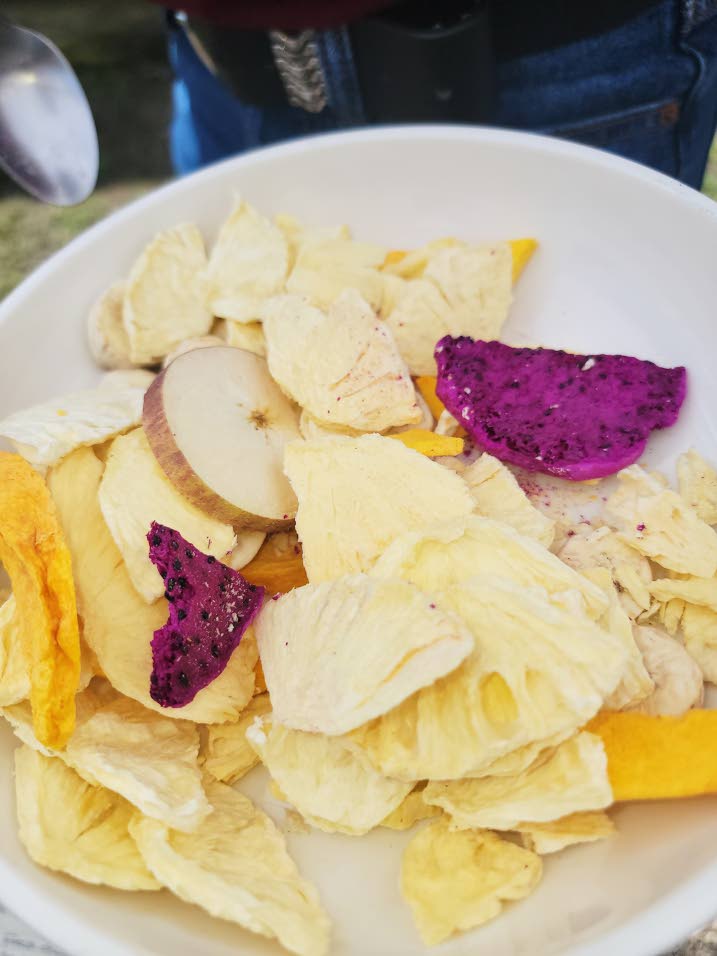
An out-of-packaged view of the freeze- dried Kenya fruits which are packaged as value-added items having zero sugar and no preservatives.


