



Are Energy Drinks Safe?
Energy drinks have become a common sight on shop shelves, party tables, and commuter backpacks across Jamaica. Marketed as quick fixes for fatigue and concentration, these brightly packaged beverages promise a rapid boost — but how safe are they?
What’s in an energy drink?
Most commercial energy drinks contain varying doses of caffeine (from about 50 mg up to 300 mg or more per serving), plus ingredients such as taurine, guarana (a botanical source of caffeine), B-vitamins, sugar or high-intensity sweeteners, and herbal extracts. These compounds act on the central nervous system and cardiovascular system to increase alertness, reduce perceived fatigue, and sometimes improve short-term performance. The combination, especially high caffeine together with other stimulants, is central to both the perceived benefits and the safety concerns.
The science and documented harms
A growing body of scientific reviews and clinical reports shows that energy drinks can acutely raise blood pressure and heart rate, alter electrical activity in the heart, increase platelet aggregation, and — in rare cases — be associated with serious cardiac events and deaths in susceptible individuals. A recent comprehensive review in the journal The Dark Side of Energy Drinks synthesises evidence of cardiovascular, neurological, metabolic, and psychiatric effects linked to energy drink consumption, noting that harms are more likely when large volumes are consumed or when energy drinks are combined with other stimulants or alcohol.
Mixing energy drinks with alcohol: A dangerous pairing
Mixing energy drinks with alcohol is a widespread practice globally and among young adults locally. Research and official guidance highlight two main concerns: The stimulant effects of caffeine can mask the subjective feeling of intoxication, causing people to underestimate how impaired they are, and consumers may drink more alcohol as a result. This raises the risk of binge drinking, injuries, risky sexual behaviour, and alcohol-related hospital visits. Public health agencies such as the US Centers for Disease Control and Prevention advise caution against combining alcohol and energy drinks.
Health conditions linked to overconsumption
Short-term effects of large or rapid caffeine intake include palpitations, anxiety, nausea, vomiting, tremors, insomnia, and dehydration. Over the longer term, regular high intake of sugary energy drinks contributes to weight gain, obesity, and metabolic risk — established drivers of non-communicable diseases (NCDs) such as Type 2 diabetes and hypertension. A growing number of case reports and observational studies also link energy drink consumption to emergency department visits, arrhythmias, and, infrequently, sudden cardiac events, particularly in people with underlying heart conditions or genetic vulnerabilities. Clinical reviews and case series have flagged thousands of suspected adverse events internationally.
Pulmonary and other non-cardiac incidents
Though less commonly discussed than cardiac effects, there are plausible pathways by which energy drinks could contribute to respiratory problems: Severe cardiac events can precipitate acute pulmonary edema; stimulant-driven anxiety may worsen asthma control in susceptible people; and dehydration from diuresis can thicken secretions and affect respiratory recovery. The evidence here is more limited than for cardiovascular outcomes, but clinicians report pulmonary complications occurring alongside serious stimulant-related emergencies.
Why Jamaicans rely on energy drinks
The reasons are social and economic: long work hours, shift work in healthcare, transport, and service industries, the gig economy, and students pushing through late-night study sessions all create demand for quick stimulants. Aggressive marketing, affordability, and the flavour profiles of these drinks make them attractive options for many. In some cases, energy drinks are used as functional beverages — to stay alert while driving, working, studying, or as a pick-me-up during fatigue — but regular use shifts the habit from occasional to daily reliance.
Energy drink trends and public health in Jamaica
Energy drink use is rising both globally and locally. Worldwide, sales have surged into the tens of billions of US dollars annually, and the Caribbean market has mirrored this growth as products become more widely available and heavily marketed. While Jamaica does not yet maintain a national registry tracking energy drink consumption, school and public health surveys reveal a growing appetite for sugary and caffeinated beverages among adolescents.
The Global School-based Student Health Survey (GSHS) and the Ministry of Health and Wellness’ Interim Beverage Guidelines both highlight the high frequency with which Jamaican teens consume carbonated and sweetened drinks, a trend that naturally extends to energy drinks. Aggressive marketing, youth-oriented branding, and perceptions of energy and performance enhancement have made these beverages an attractive option for young consumers, especially students and shift workers seeking alertness and stamina.
At the same time, global market data show that energy drink sales continue to expand, with industry analyses valuing the market at over USD 90 billion by 2025. This rapid growth, coupled with the lack of clear local restrictions, signals increasing exposure for Jamaican consumers, particularly the young and nutritionally vulnerable.
Practical tips for consumers
Before reaching for an energy drink, read the label and check the caffeine content. Many contain 200 to 300 mg or more, levels that can trigger adverse effects. Children, adolescents, pregnant or breastfeeding women, and people with heart or anxiety conditions should avoid them altogether. Never mix energy drinks with alcohol, as caffeine can mask intoxication and lead to risky behaviour. Treat these beverages as occasional boosts, not daily habits, and focus instead on good sleep, hydration, and balanced meals for lasting energy. If you experience palpitations, chest pain, fainting, or severe anxiety after drinking one, seek medical attention immediately. Whenever possible, choose water, unsweetened options, or moderate amounts of plain coffee instead.
Conclusion
Energy drinks offer short-term alertness benefits that can help in specific, occasional situations. But science shows clear pathways to harm when these drinks are overused, mixed with alcohol, or consumed by vulnerable people. For Jamaicans balancing demanding work, study, and family responsibilities, energy drinks are a tempting quick fix — but safer long-term strategies (sleep, balanced nutrition, hydration) and sensible limits will protect health and reduce the hidden costs of dependence on stimulants.
About the Author
Allison Richards is a food safety communicator and the founder of The Food Safety Girl, a consumer awareness platform dedicated to promoting food safety in Jamaica. She is also the host of The Big Bite Food Safety Show, a radio program that educates listeners on food safety issues. With over 14 years of experience in food safety regulation, Allison is passionate about empowering consumers and industry stakeholders to make informed choices that protect both health and the environment.
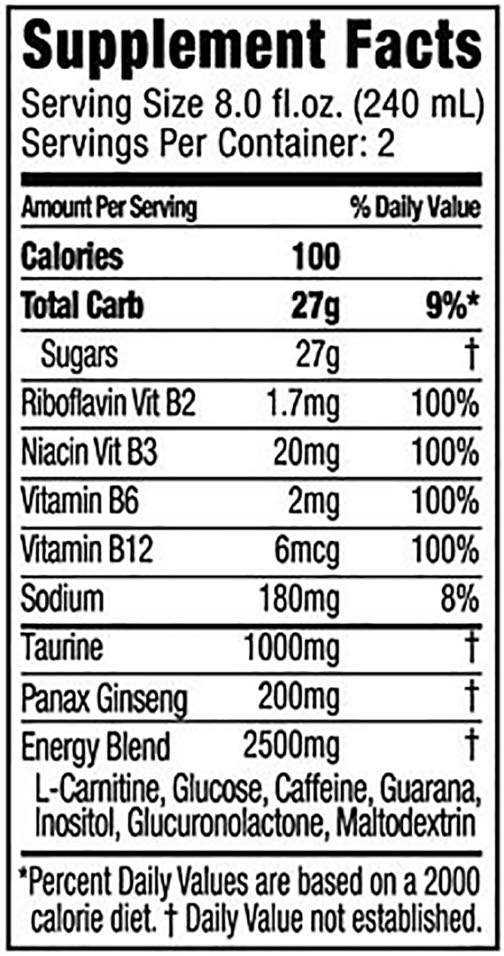
A nutrition facts label for an energy drink.

Allison Richards | thefoodsafetygirlja@gmail.com.


