



The pervasive shadow: Violence against children and its imperative
In Jamaica, where resilience and cultural vibrancy have long defined our national spirit, a painful truth lingers beneath the surface. As of 2025 more than 77 per cent of children and youth aged 13-24 — 77.2 per cent of girls and 77.6 per cent of boys — have experienced some form of violence in their lifetime, according to the landmark Violence Against Children and Youth Survey (VACS) released in November 2024.
This figure doesn’t just represent a moral crisis; it reveals a national failure that carries real economic weight — from weakened human capital to growing social costs. As an economist who studies how policy, development, and human well-being intersect I see this not only as a humanitarian emergency but also as a major threat to Jamaica’s path towards sustainable prosperity.
This piece explores the scale of the crisis, its economic and social consequences, the Government’s current response, and a forward-looking plan to address it.
Empirical Foundations: Quantifying the Crisis
The VACS, Jamaica’s first comprehensive study of violence against children and youth, gives us a detailed picture of a problem that has long existed in silence. Lifetime prevalence of violence stands at 77.2 per cent for females and 77.6 per cent for males aged 13-24, with emotional abuse affecting 61.2 per cent of girls and 51.8 per cent of boys — figures that highlight the deep emotional scars that go beyond physical harm.
Physical violence touches nearly one in three girls (31.9 per cent) and one in three boys (34.4 per cent) during childhood. Sexual violence — often committed by adults the victims know — affects 23.7 per cent of girls and 11.7 per cent of boys, and because of stigma and fear, up to 90 per cent of cases go unreported.
The National Children’s Registry documented close to 14,000 abuse cases in 2024 alone: 3,180 sexual assaults, 3,586 physical abuses, 359 cases of child labour, and 42 cases of suspected traffickings. The pattern has continued into 2025, with more than 150 children under 17 murdered by May — a surge UNICEF described as a “horrifying wave”.
Even infants are not spared. Nearly half of all children aged 9-12 months are shouted at, and close to 30 per cent are slapped. Among children aged 1-14 years, violent discipline affects roughly three-quarters.
Inequality deepens the wound. Boys under 12 living in gang-heavy communities, such as parts of St Catherine, face higher risks of homicide, while girls are more likely to experience sexual exploitation, sometimes linked to commercial trafficking networks.
When placed in the global context, Jamaica’s numbers are among the highest in the region. While 38 per cent of Caribbean students report experiencing violence at school, local data suggest that for us violence has become normalised — especially in homes where corporal punishment remains common, as it is still used in around 60 per cent of households.
These realities point to a simple truth: The problem cannot be solved through punishment alone. It requires prevention — through education, community engagement, and cultural transformation.
Macroeconomic Repercussions: A Costly Cycle of Impairment
The economic costs of violence against children are staggering. Based on Jamaica’s $1.5-trillion gross domestic product (GDP), estimates show that early trauma can reduce cognitive development by up to 20 per cent and lifetime earnings by 10-15 per cent. This equates to productivity losses of roughly 2-3 per cent of GDP or $30-$45 billion annually by 2030.
Youth unemployment, already hovering around 25 per cent, is further inflated by the effects of trauma — survivors are twice as likely to experience depression and four times more likely to have suicidal thoughts. These mental health burdens reduce labour participation, productivity, and income, locking families into cycles of poverty that also increase strain on the public purse.
Education outcomes suffer heavily. Traumatised students are absent 20-30 per cent more often, contributing to Jamaica’s 15 per cent secondary dropout rate and leaving the labour market short of skilled workers at a time when we need to create roughly 100,000 jobs annually to sustain demographic stability.
The health sector pays another price: higher rates of stress-related illnesses and sexually transmitted infections stemming from abuse. Yet less than one per cent of the national budget goes towards social services, which reach only about seven per cent of long-term victims.
The cycle is intergenerational. Survivors are five times more likely to engage in or tolerate violence later in life, perpetuating patterns that corrode social cohesion and investor confidence in a tourism-driven economy.
Globally, child maltreatment is estimated to cost the world economy about US$1.2 trillion a year. If Jamaica does not intervene, we risk losing one to two percentage points off our projected growth rate between 2025 and 2030 — a heavy price for inaction.
Policy Landscape: Governmental Responses and Persistent Gaps
The Jamaican Government has begun to act. Guided by the VACS findings, the National Plan of Action for an Integrated Response to Children and Violence now focuses on prevention through legislative reforms that outlaw violence in all settings. Jamaica’s role as a pathfinder country under the Global Partnership to End Violence Against Children adds international support to this effort.
Child Month 2025, under the theme ‘Act Now: Stand Against Child Abuse and Exploitation’, sparked rallies, police-led education sessions, and community dialogues nationwide, reinforcing the message that protecting children is everyone’s responsibility.
Initiatives like the Irie Homes Toolbox, supported by UNICEF, have shown real results — reducing caregiver violence by 40 per cent in pilot parishes. It’s now being expanded to high-risk areas, with trauma-informed content introduced in schools.
Amendments to the Child Care and Protection Act in 2024 have sped up prosecutions, while tighter inspections and incentives aim to root out child labour. Public education drives are ongoing, and a new set of reporting hotlines was approved in May 2025 to make it easier for cases to surface.
Yet despite progress, gaps remain wide. Conviction rates for sexual abuse are still below 20 per cent, funding remains far below need, and cultural acceptance of corporal punishment continues to normalise harm.
Youth Minister Dr Dana Morris Dixon has signalled tougher penalties, and advocacy groups like Hear the Children’s Cry have proposed automatic bounties to encourage reporting — small but meaningful steps in the right direction.
Towards a Resilient Horizon: Recommendations for Sustained Reform
Jamaica must now treat child protection not as a social service, but as an economic investment. Allocating just two per cent of the national budget — about $30 billion annually — could establish a Child Protection Endowment Fund to finance universal school counselling, community policing models designed with youth input, and long-term programme evaluation.
By 2026 we should fully ban corporal punishment and pair it with $5 billion in positive parenting grants to reach 100,000 families. Public-private partnerships could provide survivor scholarships, helping close the 10-15 per cent lifetime earnings gap and recover up to $30 billion in productivity by 2030.
Bipartisan commitment will be key. Incorporating VACS indicators into Vision 2030 Jamaica and requiring annual audits would anchor accountability in data, not rhetoric. By focusing on prevention rather than reaction we can convert today’s liability into tomorrow’s asset — empowering our youth to drive innovation and growth.
Violence against children is not destiny, it is a choice society makes through its policies, priorities, and silences. The evidence is clear, and the economics make the case plain: Protecting our children is the surest investment we can make in Jamaica’s future.
Janiel McEwan is an economic consultant. Send comments to the Jamaica Observer or janielmcewan17@gmail.com.
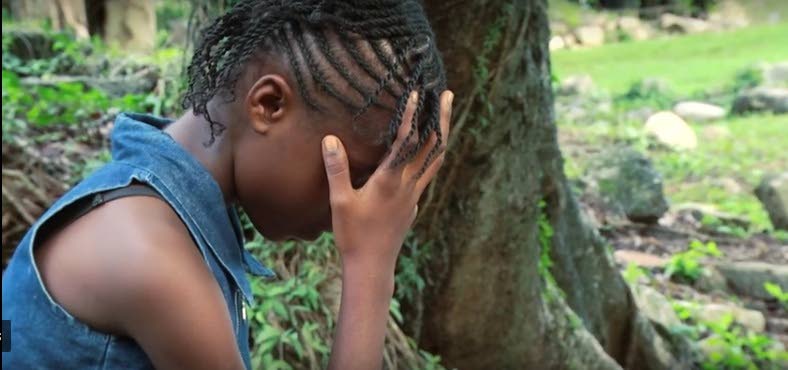
Globally, child maltreatment is estimated to cost the world economy about US$1.2 trillion a year.
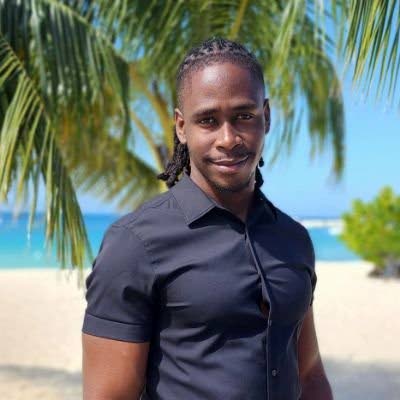
Janiel McEwan


