



Switching off
MTV’s European channels — strong reggae and dancehall supporters — power down Dec 31
Recently, Paramount, the parent company of Music Television (MTV) announced that its five music channels in the United Kingdom — MTV Music, MTV 80s, MTV 90s, Club MTV and MTV Live — will cease broadcasting after December 31.
After going off the air in the UK and Ireland, the aforementioned channels will be switched off in France, Germany, Austria, Poland, Hungary, Australia, and Brazil.
MTV was first launched in the United States in 1981, showing popular music videos, with The Buggles’ Video Killed the Radio Star the first one aired.
Six years later, MTV Europe was launched and then in 1997 the UK officially got its own channel.
Showing music videos throughout the day, the channel redefined artiste marketing and helped catapult the careers of many artistes including ZZ Top, Dire Straits, and Madonna.
MTV and, to some extent, its British and European channels, were instrumental in the promotion of Jamaican music through the years.
Black Uhuru, signed to Island Records in the early 1980s, was one of the early Jamaican acts to have benefited from exposure on MTV. Several Jamaican artistes had steady rotation on the channel.
They include Sean Paul, Wayne Wonder, Elephant Man, Diana King, Shaggy, Shabba Ranks, Mad Cobra, and Mr Vegas.
Christopher “Mannix” Schlarb, former director of promotions and publicity at VP Records, shared that
MTV was the ultimate destination for success.
“MTVwas essential in solidifying the crossover of early-mid 2000s crossover dancehall reggae acts. It was the ultimate destination for success, much the way Apple/Spotify/Pandora/Deezer/tidal playlisting is today. It was a vehicle that drove a new audience. It was the final step to stardom for acts like Sean Paul, Wayne Wonder, Elephant Man, and TOK. In fact, it was the catalyst for Sean Paul’s I’m Still In Love With You featuring Sasha, which was getting swept under the rug at Atlantic’s radio promotions before getting reignited by MTV2 and local shows like Video Music Box video airplay,” the DubShot Records CEO told the Jamaica Observer.
Music video director Jay Will, whose videos have aired on MTV in the United States and in Europe, said it played what was hot on radio.
“MTV back then looked at what was being played on radio and what was popular,” said Jay Will.
MTV’s support for Caribbean culture was further highlighted with the launch of MTV Tempo, a Caribbean music video channel, in 2005. It was later sold to Frederick Morton.
Music industry veteran Cristy Barber, who has worked at major labels promoting reggae and dancehall music, said she was a huge MTV fan as a teenager.
“I was obsessed with MTV. It was the only channel that I ever watched. But over the years the channel has been very supportive of reggae and dancehall music. MTV Jams and MTV2 led the way in promoting reggae,” Barber recalled.
She added: “The time when I did the Def Jamaica project, we had MTV come down at Braco [resort in Trelawny] and we were able to do a televised stage event that had reggae, dancehall, hip hop, and R&B artistes on it, airing live on MTV. They’ve always been incredibly supportive, especially in the 2000s. It’s heartbreaking to see that something so iconic starts to close down over in Europe. MTV Base was also a huge supporter of reggae and dancehall over in London. But it’s not very shocking, given the young generation, that’s not where they get their videos from. So, hopefully, the music video art won’t go away because that would be devastating. Nothing is more exciting than seeing the song that you love come alive with visuals.”
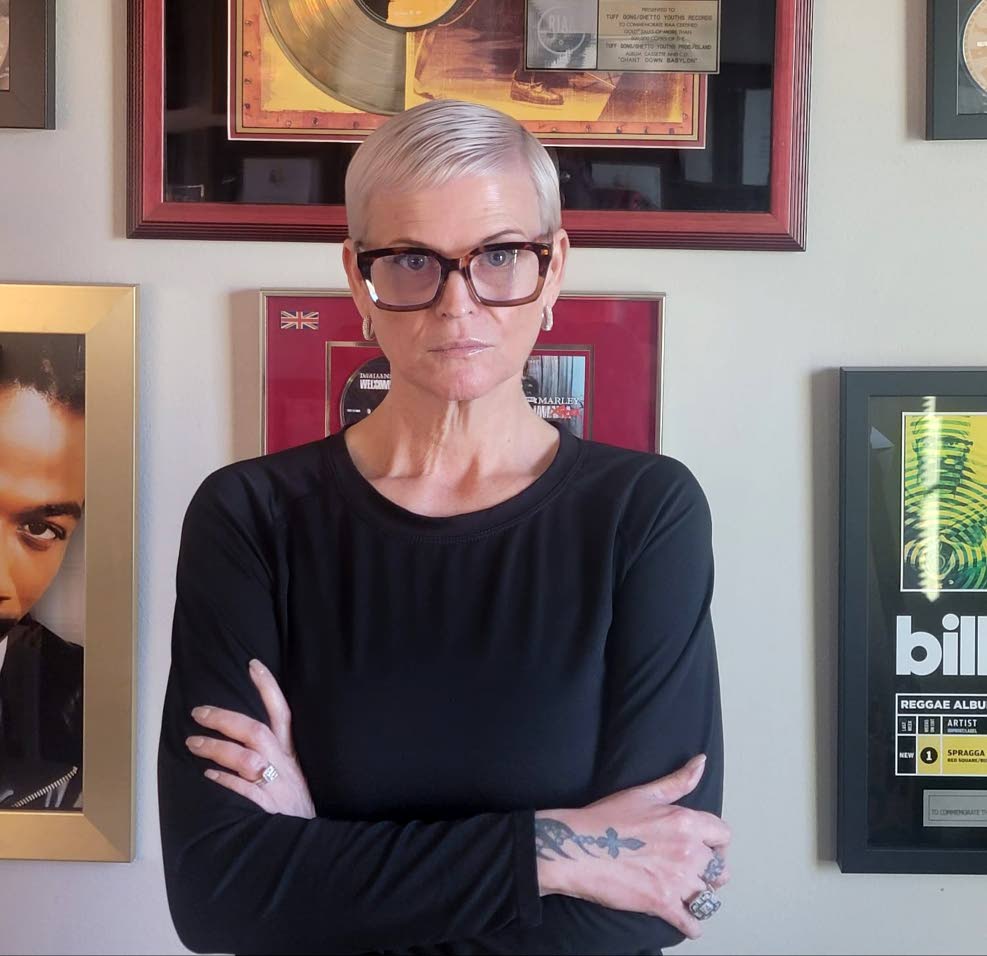
BARBER… it’s heartbreaking to see that something so iconic starts to close down over in Europe.
MTV and, to some extent, its British and European channels, were instrumental in the promotion of Jamaican music through the years.
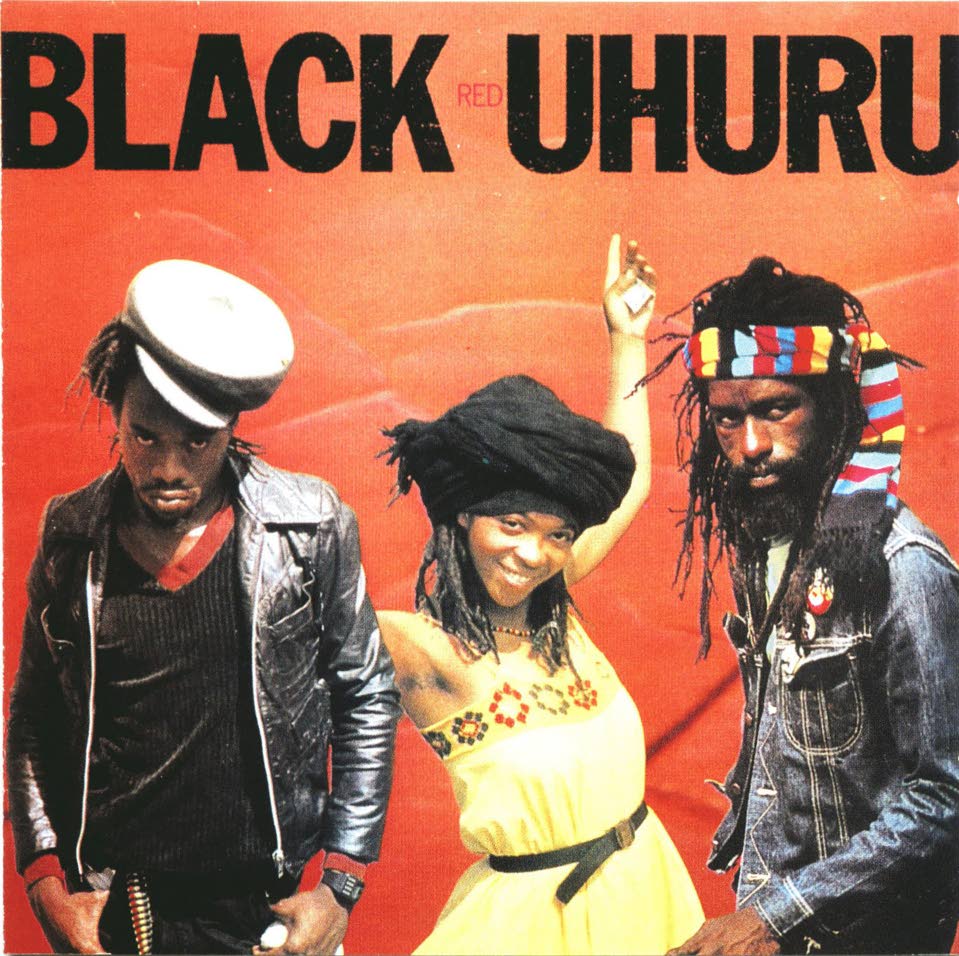
Black Uhuru was one of the early Jamaican acts to have benefited from exposure on MTV.


