



Facing the fury: How smart money shields us from Melissa
As Hurricane Melissa approached Jamaica with her ferocious 175-mile-per-hour winds holding steady as a Category 5 beast the island held its breath under darkening skies.
Even while penning this piece bands of heavy rain are already lashing Kingston and the hills as gusts whip the palms in Montego Bay. Forecasters at the National Hurricane Center warn of her slow crawl and possible dumping of up to 40 inches of water that could swell rivers and trigger landslides from the Blue Mountains down to the coast.
Tragically, the toll began even before landfall: Three lives were lost in preparation mishaps across Hanover, St Catherine, and St Elizabeth, with 13 more injured, Health Minister Dr Christopher Tufton shared in a recent update.
As at October 27 over 50,000 households sit in the dark already, power flickering out in vulnerable spots, but Office of Disaster Preparedness and Emergency Management’s (ODPEM) teams are on the ground, providing shelters for those 150,000 at highest risk. Jamaica Red Cross volunteers were out too, stocking the shelters with kits for the long haul.
For families tuned in by battery radio or huddled with neighbours, this isn’t just weather, it’s our shared test of endurance. Yet amid the roar, lean on this: We’ve stacked the deck with financial smarts, from former Finance Minister Dr Nigel Clarke’s catastrophe bonds to the Caribbean Catastrophe Risk Insurance Facility’s (CCRIF) rapid payouts — tools that mean we rebuild stronger, not from scratch. As someone who’s tallied the costs of these gales for years, I see Melissa not as defeat, but as proof that our planning has paid off.
Why This Storm Feels Different: The Climate Kick
Melissa isn’t Hurricane Gilbert or Hurricane Dean reborn; she’s amplified — her rapid spin-up is a stark nod to seas boiling 1.5 to 2 degrees warmer, courtesy of unchecked emissions that load her with extra fuel for those eyewall blasts and relentless downpours.
National Oceanic and Atmospheric Administration’s (NOAA) hurricane hunters have flown through her core, capturing footage of towering clouds and a stadium-sized eye in which even birds are trapped — underscoring her raw power, the strongest to eye Jamaica since records began.
Her path hugs the south, with landfall, at the time of writing, expected early morning October 28 near Black River, where surges could climb 13 feet and winds shred anything not battened down.
The numbers hit home: Atlantic majors like her are up 25 per cent since the 1980s, and for us seven of our costliest hits have come this century, racking up $500 billion in scars.
Beryl’s $200-million punch last year was a warning; Melissa threatens double, leaving beaches empty and fields underwater, with fishermen in Old Harbour hauling boats ashore in a race against the tide.
Rural yards — home to 25 per cent of our jobs — face the worst. But with apps buzzing alerts and parish drills from Beryl’s playbook we’ve earned that crucial head start. Stay sharp; we’ve earned this fight.
The Real Sting: When Winds Hit Wallets and Futures
No denying the gut punch from Melissa as ports like Kingston are locked and airports dark, yanking $10 billion in peak-season tourist dollars before they even land.
Clean-up? Estimated between $100 billion and $150 billion for battered grids, washed-out highways, and the possibly 100,000 homes needing roofs, all while our debt ledger strains at $1.2 trillion.
The human ledger weighs heavier. Post-storm hunger and sickness, like Hurricane Ivan’s 10 per cent child-stunting jump, may steal years of potential — $200 billion in skipped wages by 2040 if we falter.
Low insurance uptake will leave too many scraping by, fuelling migration that hollows out communities we can’t afford to lose. But know this: Remittances hum steady at 20 per cent of gross domestic product (GDP), and our layered safeguards — next up — will blunt the blow, turning crisis into comeback.
Shields Up: Dr Clarke’s Vision and the Tools Kicking In
Hats off to Dr Clarke whose steady hand since 2018 has woven a safety net worth $130.6 billion — blending reserves, loans, and market muscle to weather exactly this.
His master stroke? Cat bonds — those investor-backed buffers Jamaica pioneered in 2021 with $185 million locked in. Clarke doubled down, securing another $150-million parametric deal via the World Bank last year, tuned to trigger on wind thresholds or rain totals like Melissa’s.
As her models tick towards payout we could see 30-50 per cent of that cash — $45-75 million — hit accounts in days, no drawn-out claims. Dr Clarke’s line before Beryl rings true: “This isn’t luck; it’s layered risk we own.” It capped last year’s shortfall at 30 per cent, freeing funds for real fixes, not fiscal fire drills.
Enter CCRIF — our Caribbean collective punch-back fund, parametric to the core. It pays on raw data like gusts over 100 mph in key zones, skipping the paperwork. Beryl netted us $16.3 million in two weeks for Hanover floods; this season’s rain draws already topped $10 million.
With Melissa’s specs — 175 mph core and slow stall — another $20-30 million could flow fast if she crosses parishes like St Elizabeth, bridging to full rebuilds. Prime Minister Dr Andrew Holness echoed this in his
CNN interview : “Preparation’s our edge; these tools make recovery real.”
Clarke’s blueprint — CCRIF first-line, bonds for the big swing, reserves as backstop — buys us time to heal.
While the Winds Rage: Quick Tips
Keep that radio close for ODPEM’s briefing, and here’s your no-nonsense kit to weather any storm:
• Shelter smart: 400 sites are open for 150,000; if floods nibble at your yard, move — no heroics. One gallon of water per person daily; boil tap water if it clouds.
• Power plays: Jamaica Public Service (JPS) warns of over 70 per cent blackouts south side — keep chargers, hand-crank radios, and flashlights ready. Unplug gear to skip surges. Candles only as a last resort — never near children.
• Flood fights: Place sandbags at doors and keep gutters clear. Water rising? Head to higher ground — six inches can sweep cars; don’t test it.
• Mind matters: Winds howl, but talk it out. Tell stories for the little ones; breathe deep for us all. Helpline: 876-967-1125.
We’re in this huddle together. That shared spine? Pure Jamaican.
Building Back Bolder: Our Next Moves
Dawn will break, Melissa will fade, but her echo calls for more. Swell that fund to $400 billion by 2028 via green bonds; savvy investors will bet on our bounce.
Sink $50 billion into mangrove buffers and surge walls, dodging $100 billion in hits yearly. Incentivise eco-rebuilds — tax cuts on solar-secure sites could fuel a resilient tourism wave, birthing jobs in green hotels. Weave it into Vision 2030: log storm strikes, growth dips — keep feet to the fire. Dr Clarke and his team set the keel; now we steer the ship.
By the time of publication Melissa should have passed or be on her way out. So as surges subside and the rain eases, we must cling to our core: Kinship over kerosene lamps, laughter through leaks, and hope that outlasts any gale. Melissa challenges, but she can’t claim our fire.
Steady on, Jamaica — the sunrise is coming, and we’ll greet it unbroken.
Janiel McEwan is an economic consultant. Send comments to the Jamaica Observer or janielmcewan17@gmail.com.
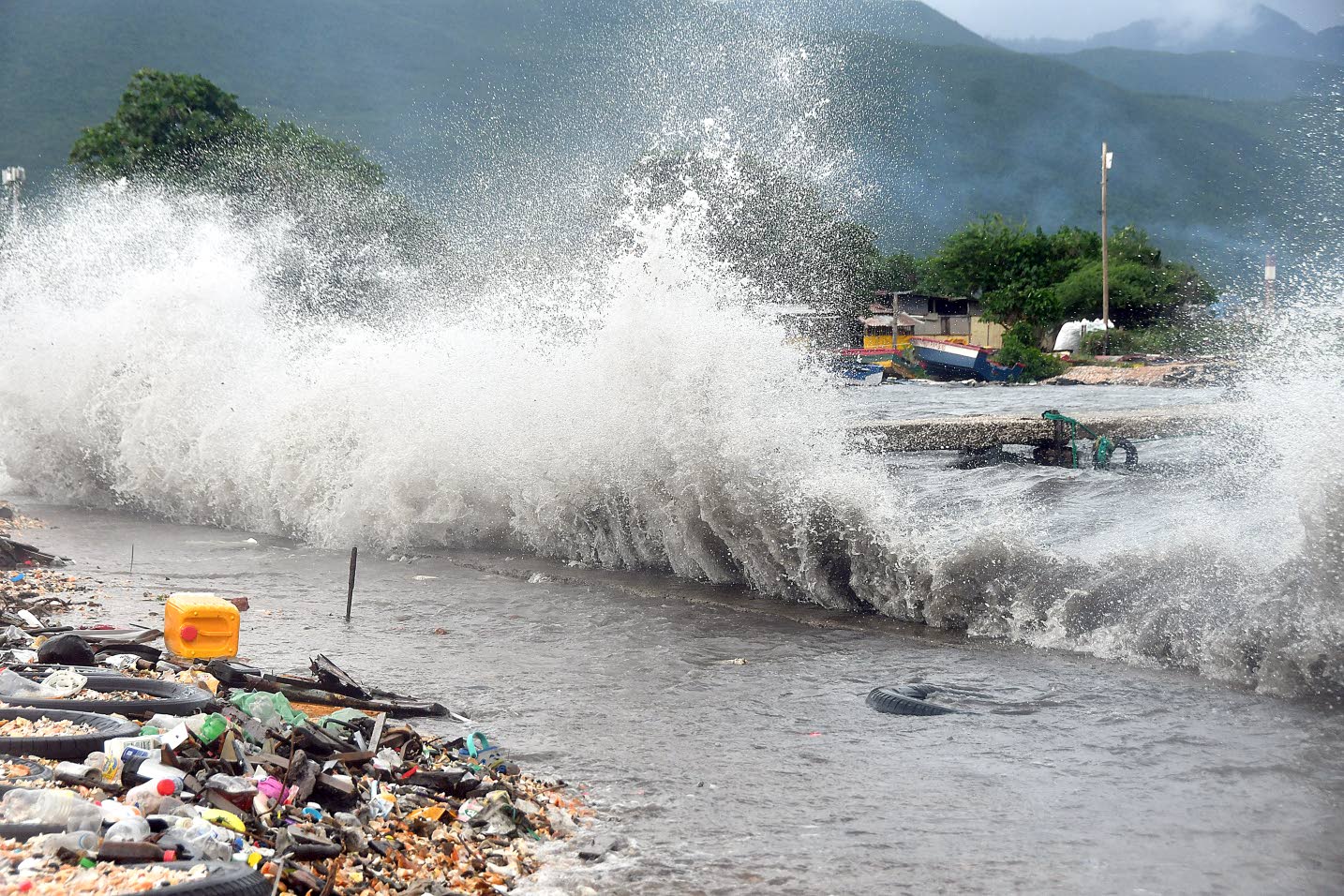
Rising waves hit Rae Town fishing beach in Kingston on Sunday as the outer bands of Hurricane Melissa started affecting Jamaica.Photo: Garfield Robinson
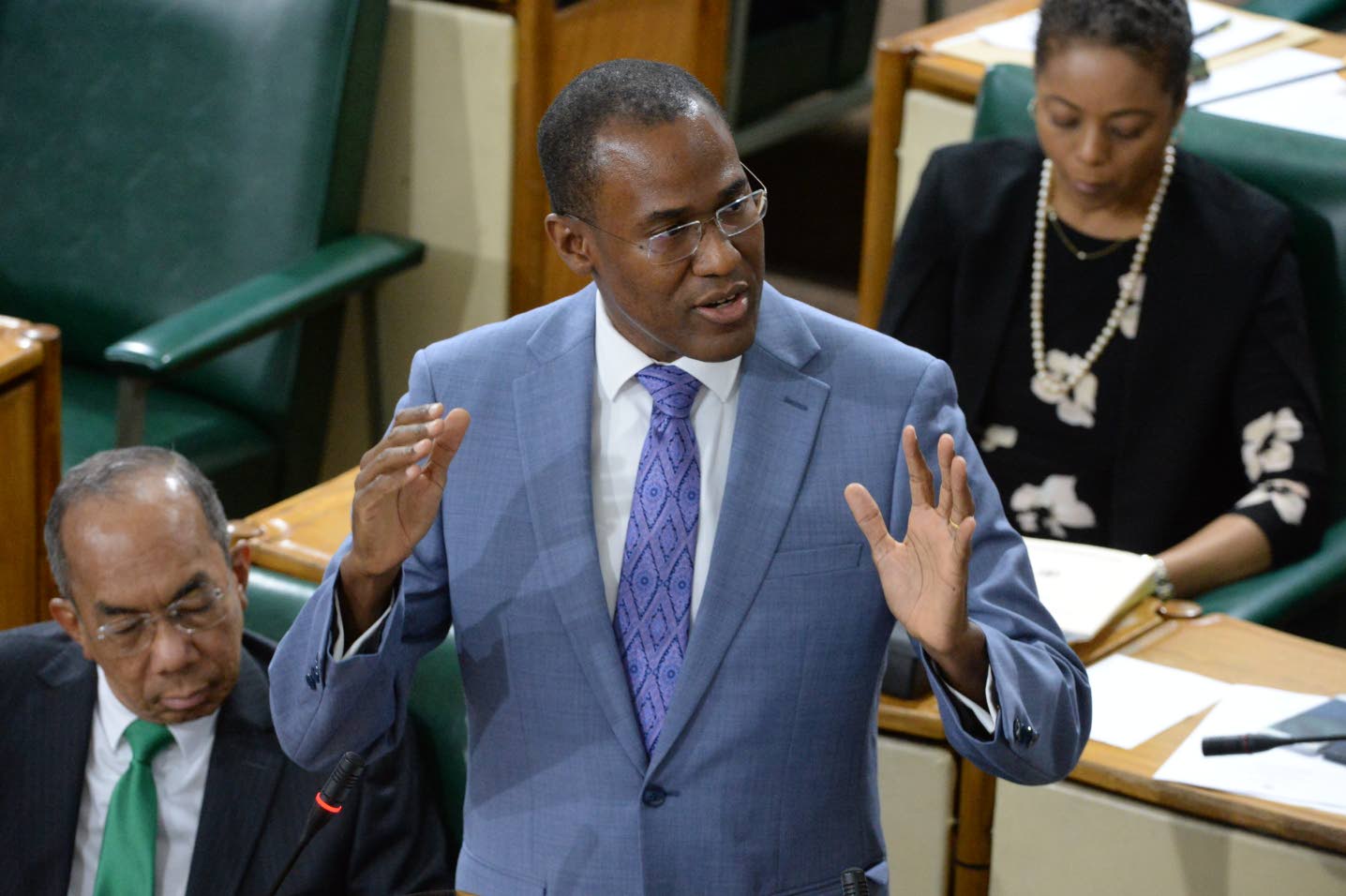
Former Finance Minister Dr Nigel Clarke speaking in Parliament.
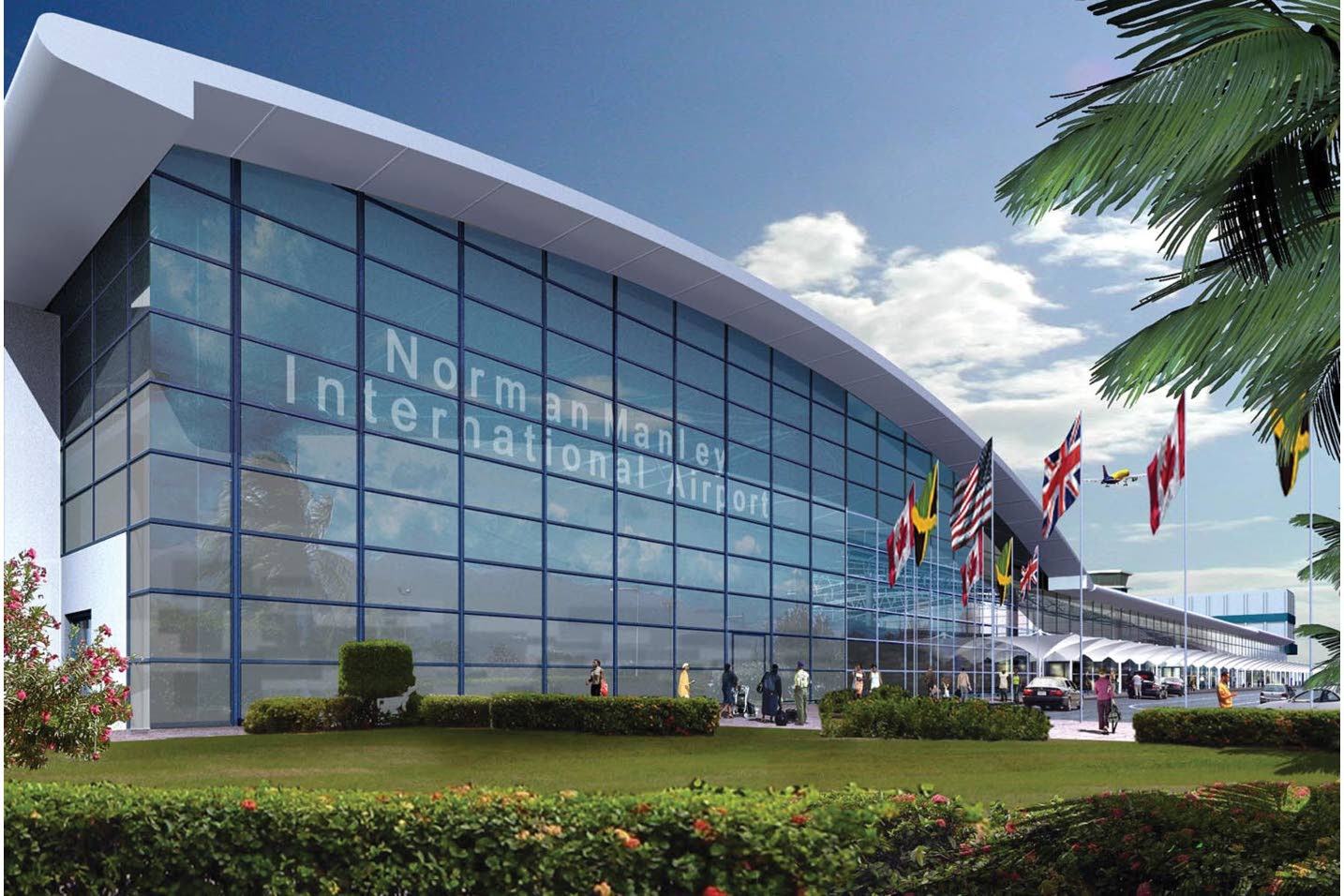
Ports, such as Norman Manley International Airport (NMIA), had to be closed.

Many Jamaican homes have been without electricity.

Jamaica’s investment in catastrophe bonds has paid off.
Janiel McEwan


