



SBAJ anticipates shake-up of SME sector post-Hurricane Melissa
Bemoaning the many challenges already facing small and medium-sized enterprises (SMEs), president of the Small Business Association of Jamaica (SBAJ) Garnet Reid said he expects to see a significant slowdown in the sector following the passage of Hurricane Melissa.
Speaking with the Jamaica Observer on Monday ahead of the powerful Category Five hurricane’s expected landfall, Reid warned that further damage from the system would be a “double whammy” for many small businesses — particularly those still struggling to recover from previous disasters.
“We may not have a Christmas if this hurricane hits Jamaica in the projected manner. Many small businesses still haven’t recovered from the COVID-19 pandemic. Some were forced to close permanently, and others continue to grapple with both local and global economic headwinds. Another disaster at this point will be devastating,” Reid told the Business Observer.
Hurricane Melissa, the first major storm of the Atlantic hurricane season, follows several short-lived weather systems since June. The storm is expected to cause billions in losses to Jamaica’s predominantly service-based economy as preparations have already led to business closures and the associated decline in productivity along with widespread flight cancellations in recent days.
Highlighting limited access to finance as one of the greatest barriers to SME growth and development, Reid called for urgent financial support in the hurricane’s aftermath to help small businesses withstand the expected fallout.
“I’m appealing to the Ministry of Finance and Minister Fayval Williams to work with the small business sector to secure additional funding support in the form of grants through entities such as the Development Bank of Jamaica (DBJ). We would like to see the establishment of a special emergency fund to help SMEs access the capital needed to get back on their feet,” he said.
Reid emphasised that even with high levels of preparedness, every effort must be made to assist the sector — often described as the engine of growth and a major contributor to employment and tax revenues.
“While some of our members will be severely affected by Hurricane Melissa, I am hopeful that many will also emerge stronger,” he added.
In addition to the anticipated challenges from the natural disaster, Reid expressed deep concern about reports that the Jamaica Public Service Company (JPS) is considering an increase in electricity rates in the hurricane’s aftermath.
“The SBAJ is strongly opposed to any rate increase at this time. The economic hardships following the storm will already be severe, and we are appealing to JPS, the Office of Utilities Regulation (OUR), and the Government of Jamaica to ensure that no such increase takes place,” he asserted.
He said that at a time when small business operators will be struggling to recover, an increase in electricity costs would be “unconscionable”.
“JPS should instead focus on restoration, relief, and supporting the national recovery effort, not passing additional costs onto already vulnerable consumers,” he stated while calling on the OUR to reject any such proposal for rate increases and to ensure that no penalties, surcharges, or undue billing adjustments are applied to customers affected by prolonged power outages during and after the hurricane.
Indicating that it often takes months for businesses to recover from major weather events, the president further said that any increase in electricity bills would amount to a “double blow” for many operators, especially those whose businesses depend heavily on power supply to keep their businesses going.
“The absence of other essential services such as water and Internet would further compound the damage,” he also said.
Stressing the need for robust discussions to take place in the upcoming contract ending period, he also renewed calls for greater competition in the energy sector, arguing that the existing monopoly stifles consumer choice and fair pricing.
“We need to have at least two power companies. Healthy competition would benefit both businesses and consumers. A monopoly often leads to exploitation, and we believe the time has come to explore alternatives,” Reid said.
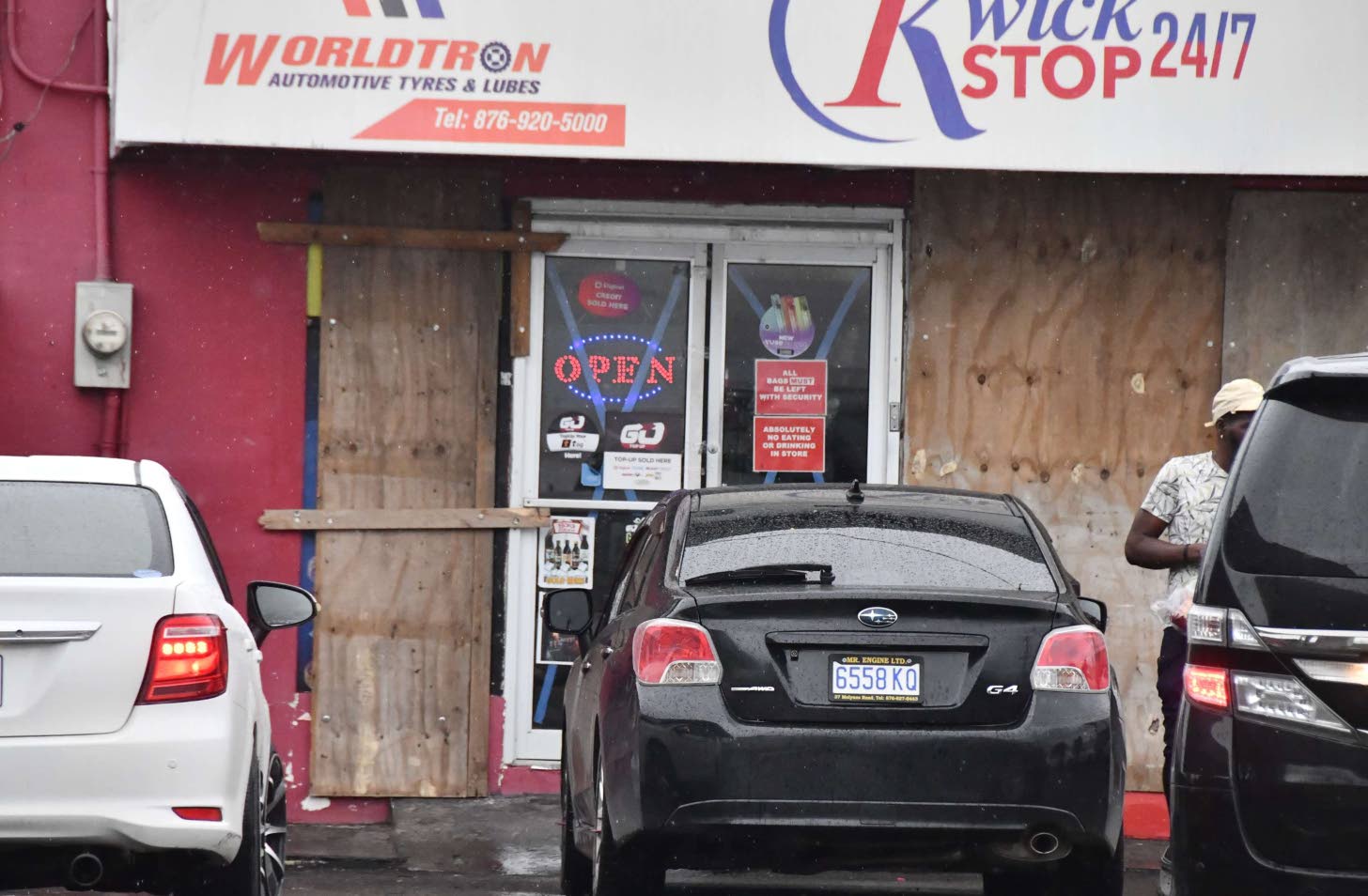
The small business sector is largely regarded as as the engine of growth for the local economy and a major contributor to employment and tax revenues
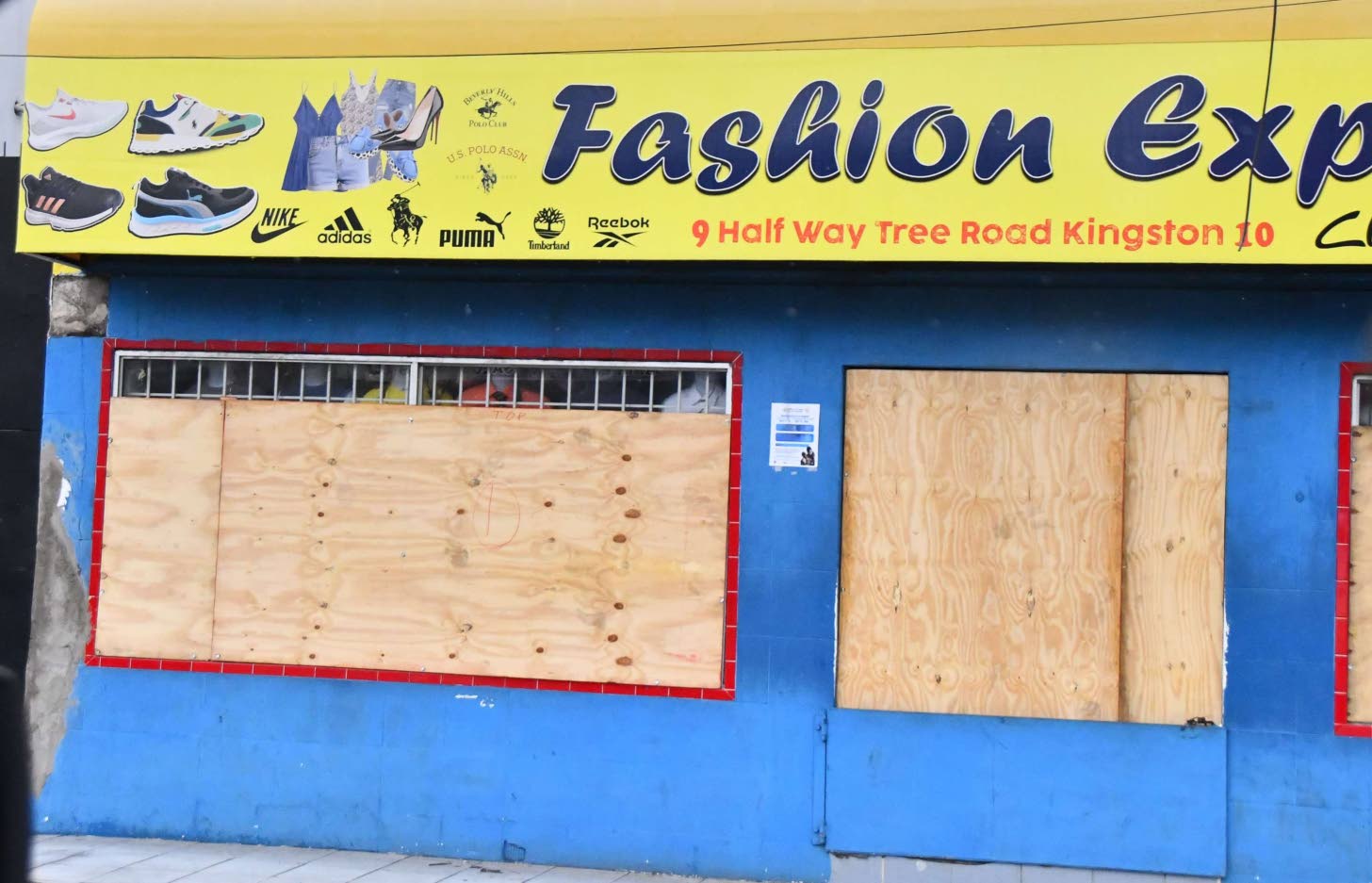
A small business is seen boarded up in the Cross Roads area on Monday as the island prepared for the passage of Hurricane Melissa.


