



Calendarise remote learning for continuity in crisis
THE COVID-19 pandemic was more than a global health crisis; it marked a seismic shift in teaching and learning. Virtually overnight classrooms emptied, and screens lit up. From roadside schoolrooms to teachers travelling door to door to deliver learning materials, teaching and learning was redefined.
For those with Internet access and digital devices at their disposal online learning became the lifeline of academia. Forensically, the pandemic laid bare the full extent of the digital divide that existed in many countries as remote learning, once widely averse to before the pandemic, suddenly became the norm in many societies.
The strategic imperative
Successes and lessons aside, more than two years after the pandemic’s peak, many educational institutions have reverted to traditional in-person schedules, sidelining some of the hard-earned insights demonstrated during the crisis. This regression is not just disappointing, it’s dangerous. Calendarising remote learning is imperative, as evidence exists to support its formal integration into academic calendars. This ensures that students, teachers, and parents are prepared for seamless transitions during future crises.
Research from the World Bank, UNICEF, and the Caribbean Development Bank demonstrated that during the pandemic many students lacked access to devices and Internet connectivity, while teachers struggled with digital adaptation due to insufficient training. Embedding remote learning into regular schedules allows for educational policymakers and educational institutions to diagnose infrastructure gaps, improve digital literacy, and maintain educational continuity, a strategic move that builds resilience and future proofs education systems against inevitable disruptions.
Breaking through the barriers
Research from the Economic Commission for Latin America and the Caribbean (ECLAC) underscores several persistent barriers to effective remote learning across the region. One of the most pressing issues is the technological gap as a significant number of students lacked access to devices such as laptops or tablets. Reliable Internet connectivity was also often unavailable, especially in rural and underserved communities. According to ECLAC, this digital divide created unequal learning opportunities and widened existing educational disparities.
Equally concerning was the limited readiness among educators. Many teachers struggled to adapt to digital platforms due to insufficient training and support. The abrupt shift to online instruction revealed a lack of familiarity with virtual teaching tools, pedagogical strategies for remote engagement, and digital classroom management.
Compounding these challenges was the absence of suitable and standardised learning management systems. To ensure continuity in teaching and learning some schools often relied on solutions ranging from
WhatsApp messages to e-mail, most of which lacked the functionality and credibility required for suitable educational tools.
Hope is not a strategy
Beyond infrastructure and devices, the pandemic revealed weaknesses in global education systems such as the lack of digital literacy across all stakeholders. UNICEF defines digital literacy as the knowledge, skills, and attitudes that allow children to flourish and thrive in an increasingly global digital world, being both safe and empowered, in ways that are appropriate to their age, local cultures and contexts.
Digital literacy is far more than knowing how to operate a device. It involves the ability to access, evaluate, and use digital information responsibly, safely, and effectively. Without these skills, remote learning becomes not only difficult but deeply ineffective. Disruptions, whether from pandemics, natural disasters, or social unrest, are inevitable. Understanding this reality, academic managers and policymakers must do more than simply hope for stability. In fact, hope alone is not a strategy. It cannot fix the systemic issues or build the resilience needed for long-term educational success. Calendarising remote learning whilst making digital literacy a core objective ensures that when the next disruption comes, students and educators won’t be scrambling, but instead they will be ready to transition smoothly, with the tools and skills necessary to keep learning alive.
Global models of calendarised remote learning
Several countries have taken proactive steps to integrate remote learning into their academic calendars, ensuring educational continuity during disruptions. Singapore, to which many Caribbean nations refer for their academic model, has institutionalised home-based learning days for secondary and pre-university students, promoting digital literacy and self-directed learning. Post-pandemic, South Korea has maintained remote learning as part of its regular education strategy, supported by strong digital infrastructure and teacher training. In the United States of America, school districts, especially in weather-prone areas, also use scheduled e-learning days. Bangladesh delivers remote education through television broadcasts and online platforms. They have also formalised these methods to reach underserved communities. These educational initiatives, coupled with economic reforms, have put Bangladesh in an admirable position for its significant strides in education and digital inclusion despite facing frequent natural disasters like floods and cyclones.
Policymakers must lead the charge
Educational policymakers must recognise that remote learning is not a relic of the pandemic but rather a pillar of modern educational reform. By creating and supporting policies that embed remote learning into curricula, teacher training programmes, infrastructure planning, and by providing the requisite funding, policymakers can help protect education systems against inevitable disruptions and associated shocks.
Greater policy support for remote learning is not about replacing the classroom, but expanding it while simultaneously responding to the digital demands of the 21st century. The hard lessons of the COVID-19 pandemic have proven that learning must be flexible. In this context, the next major health emergency or natural disaster should not catch the academic arena unprepared. Teaching and learning must not stop simply because school buildings are closed.
Dr Karlene Atkinson is an educator and acting vice dean of the Joint Colleges of Medicine, Oral Health and Veterinary Science at the University of Technology, Jamaica.
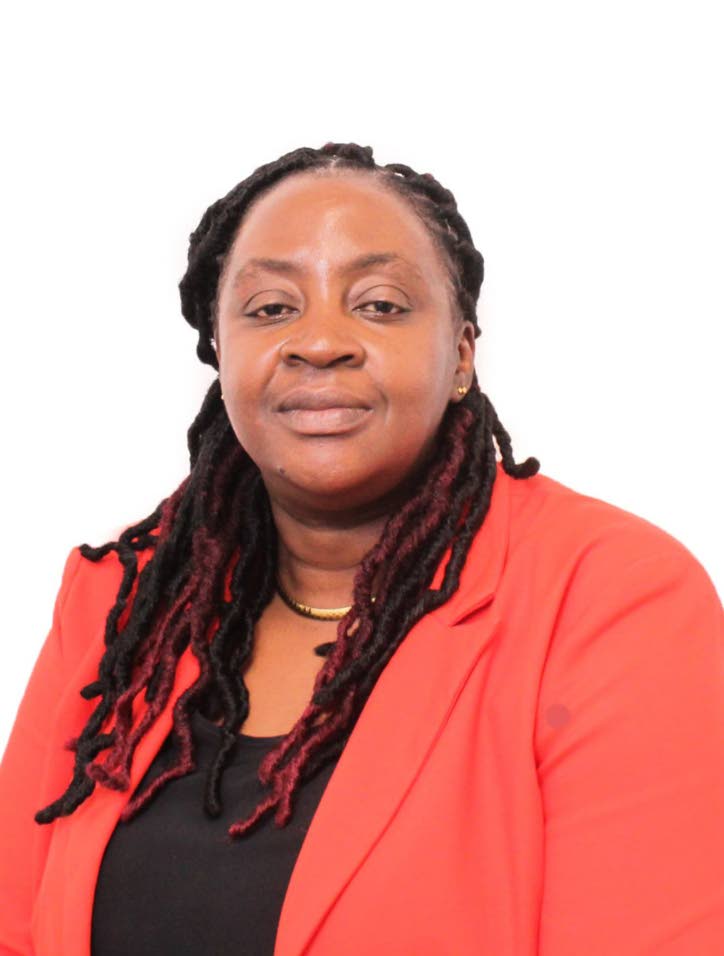
DR KARLENE ATKINSON.


