



Kingston Creative opens doors to artists impacted by Hurricane Melissa
IN the wake of the devastation caused by Hurricane Melissa, Kingston Creative has stepped forward to offer a much-needed lifeline to Jamaica’s creative community — providing one month of free access to its co-working space to help ensure business continuity and support recovery within the sector.
The initiative, done in partnership with Tribe Nine Studios and F&B Downtown, will run November 1-30, Mondays through Saturdays, 9:00 am to 5:00 pm. It opens access at the non-profit’s 107 Harbour Street, Kingston facility for artists and creative entrepreneurs affected by the Category 5 hurricane that devastated parts of the island on October 29.
“A lot of persons still don’t have light and Internet at home, and so with this offer we want to provide a space where creatives can work comfortably and safely as they rebuild their livelihoods,” said Moesha Dawes, administrator at Kingston Creative, in an interview with the Jamaica Observer on Wednesday.
The free co-working offer includes access to Kingston Creative’s hot desk area — shared workspaces equipped with desks, chairs, and free Internet. A tea and water station is also available to users. According to Dawes, the initiative was designed to support a wide range of creative professionals, including artists, authors, tour guides, craft makers, film-makers, sculptors, entrepreneurs, and project managers.
“Creatives all over the island are welcome to take advantage of this opportunity. We want to play our part in ensuring that those whose livelihoods have been disrupted have a space to continue to ply their trade,” she added.
The administrator further said that while the hot desk is free throughout November, other facilities at Kingston Creative remain available for rent, including private offices, a boardroom, and a podcast room. Rental rates for these spaces range from $5,000 to $10,000 per hour, depending on room and equipment needs.
The joint initiative is providing both upstairs and downstairs spaces at 107 Harbour Street. The collaboration ensures there is sufficient space for those needing a stable, functional work environment.
“It’s all about ensuring that creatives have a place to continue their work, especially in cases where their personal set-ups have been damaged or disrupted,” Dawes said, while noting that under normal circumstances the co-working space would cost $1,000 per hour or $5,000 per day.
By waiving these fees for an entire month, Kingston Creative and its partners are foregoing significant revenue to support the creative economy — reinforcing their long-standing commitment to nurturing Jamaica’s cultural and entrepreneurial landscape.
Just this week, co-founder and executive director of Kingston Creative Andrea Dempster-Chung, in calling for the establishment of a climate resilience fund within the sector, said these monies in times of emergencies will help to provide short-term financial support and long-term resilience training for those most affected by a disaster. The fund she said could also offer monthly stipends to those critically affected over a four to six-month period — providing a real lifeline in cushioning fallouts likely to stem from a halt in creative economy activities.
“Creatives in Jamaica just don’t have the safety nets that other professions enjoy. After the passage of Hurricane Melissa, there is no desk job to return to, no paid leave and no guaranteed income. Their local customers have likely also suffered damage and therefore have less purchasing power to acquire creative goods and services,” she said in a commentary piece.
Based on the findings from a recent report commissioned by Kingston Creative and the Cultural and Creative Industries Alliance of Jamaica, Jamaica’s creative industry now contributes approximately US$690 million to the national economy — representing just over five per cent of total economic output.
Kingston Creative’s offer of free co-working access following Hurricane Melissa forms part of its proposed Caribbean Artist Resilience Effort (CARE) mechanism — an emerging blueprint for a regional model designed to protect creative livelihoods in times of crisis. Beyond providing a physical workspace, CARE also aims to offer mental health support, disaster preparedness training and equipment grants to help creatives replace tools, instruments and other materials lost during storms.
Dawes in noting the co-working initiative as a first step in a wider recovery plan to help creatives get back on their feet, said it will be followed by additional support measures in the coming months.
“We’re giving creatives the opportunity to continue working, generating income and staying connected,” she said. “It’s about ensuring that the creative sector remains active and resilient, even in the face of adversity.”
Creatives interested in using the co-working facilities can register in person at the Harbour Street location or sign up online via tinyurl.com/kcfreecoworking.
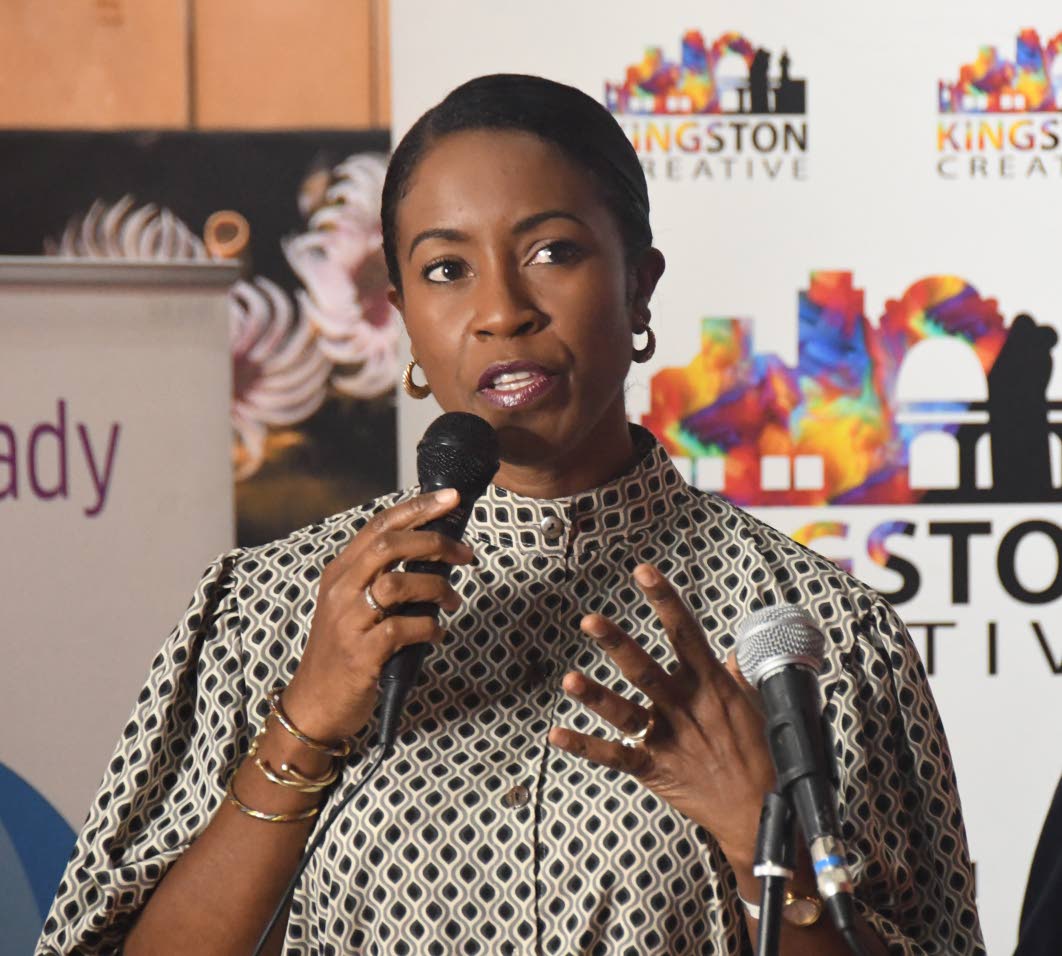
Andrea Dempster-Chung, co-founder and executive director at Kingston Creative


